
City of Lynwood
Los Angeles County
City of Lynwood is a city authority in the State of California, serving 67,265 residents. 938 residential solar installs are on record here. This page is the permit route for that jurisdiction: the fifteen steps from working out who has a say over an address through to permission to operate, the documents this authority publishes, and 62 answers taken from those documents and dated.
Permitting 5 steps · 28 questions
Whether a permit is needed — Yes Q3 Electrical and building permits — Combined Q4 Plan review — Instant/same-day for SolarAPP+-eligible systems -- the application button itself is labeled 'APPLY FOR INSTANT SOLAR PERMIT.' No separate business-day turnaround… Q18 Where you file — Lynwood Citizen Access Portal (EDASoft/EnerGov-type system) at lynwood.edgesoftinc.com/cap/, Q20
- Permit required
- Yes95% source
- What it costs
- Building permit fee is valuation-based via the City's Construction Permits sliding-scale table (e.g., $52 up to $500 valuation, rising through tiers to $7,542 at $1,000,001+),70% source
- Plan review turnaround
- Instant/same-day for SolarAPP+-eligible systems -- the application button itself is labeled 'APPLY FOR INSTANT SOLAR PERMIT.' No separate business-day turnaround figure is published for…60% source
- Key document
- department page cited by 9 open the document
-
Confirm who has a say over your address
A city address is usually permitted by the city, not the county — but not always, and some authorities keep building and hand electrical to someone else. Getting this wrong costs the whole submittal, because every requirement below belongs to whoever actually holds jurisdiction. Check the overlays in the same pass: an HOA, a historic district, a windstorm certification or a system-size cap can reshape the design, and all of them are cheaper to find now than after the array is laid out.
- Is this authority the AHJ for residential solar at this address? Yes 90% · department page
- What does this authority permit itself, and what does it delegate? Both 88% · department page
- Is a permit required for a residential rooftop PV system? Yes 95% · department page
- Is there a separate electrical permit, or is it combined? Combined 75% · department page
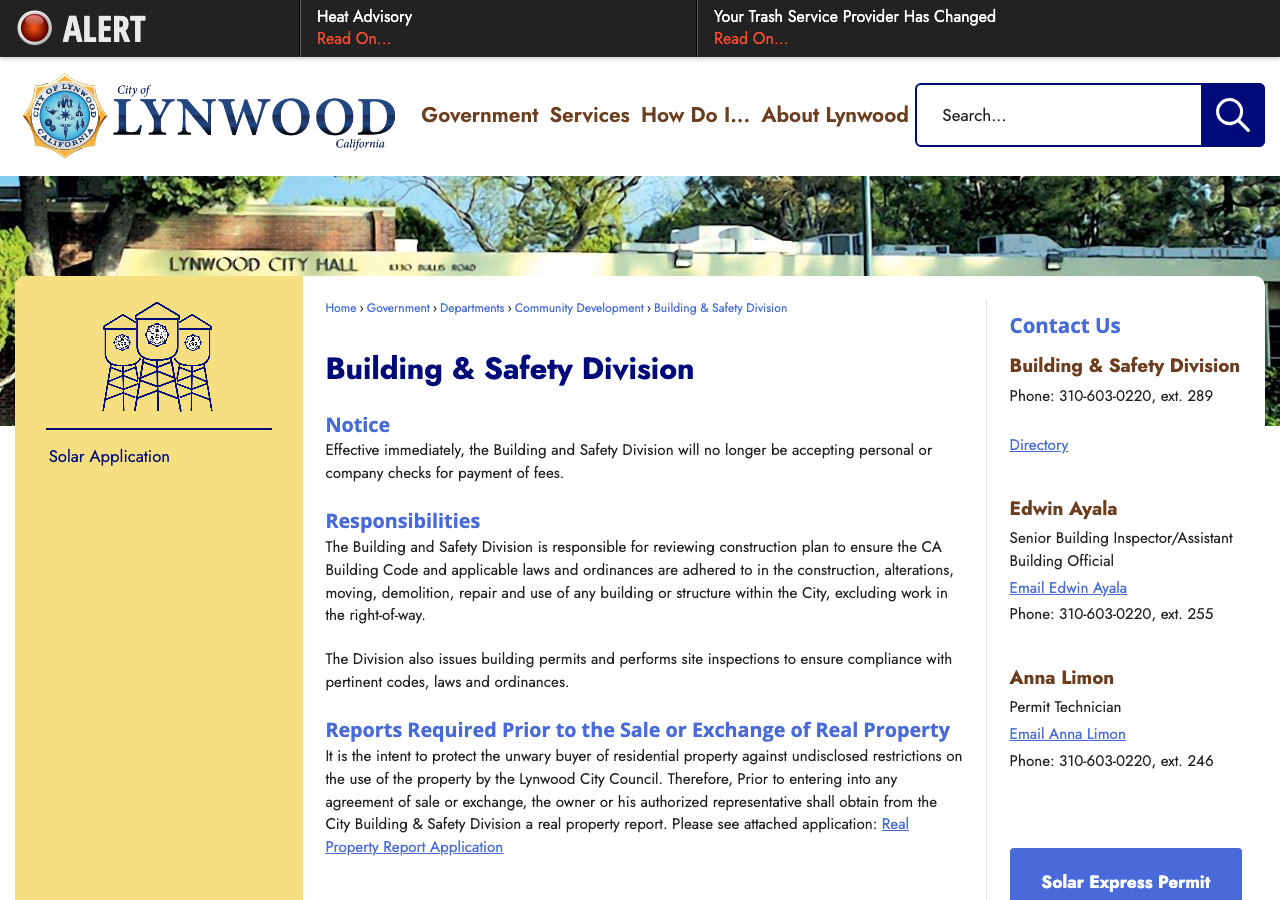
- Is a HOA or architectural approval required first? No local HOA/architectural-review requirement found for rooftop PV. 65% · municipal code (full-text search)
- Is there a historic-district review? No dedicated local historic-district review requirement found. 60% · municipal code (full-text search)
- Is a wind or windstorm certification required? No wind/windstorm certification requirement found; structural design is governed by the standard CRC/CBC wind-design tables (Table R301.2(1), locally amended only for the climatic data columns, not for a separate certification process). 55% · ordinance
- Is a Specific Use Permit or Council approval ever required? No -- standard residential rooftop PV is not shown to require a Specific Use Permit or Council approval; the Zoning Chapter's 'solar' hits are limited to landscaping/screening/solar-water-heater exemption language, not a CUP trigger for PV systems. 60% · municipal code (full-text search)
- Is there a system-size cap on residential generation? No local system-size cap found. 62% · municipal code (full-text search)
-
Check who is allowed to apply
Several authorities require the electrical permit to be pulled by a licensed electrician, or require the contractor to be registered with them BEFORE applying. Registration is not same-day. This is second on the list rather than fourth because it is the step most likely to stop the job before the drawings matter.
- Who is allowed to pull the electrical permit? Any contractor 60% · department page
- Must the contractor be registered with this authority before applying? Yes 55% · ordinance
- Is a homeowner permitted to self-install and self-permit? Yes 50% · department page
-
Build the submittal package
Almost everywhere wants a site plan, a one-line or three-line electrical diagram, equipment cut sheets with listings, and a structural attachment detail. Build it against the published checklist rather than the last jurisdiction you worked in — the checklist is what the reviewer marks against.
- What documents make up a complete submittal? SolarAPP+ Checklist and approval document, plus the approved SolarAPP+ ID generated by NREL's SolarAPP+ platform, uploaded to the City's Citizen Access Portal along with property address and project valuation. 85% · department page
- How many copies, and in what format? Electronic upload only through the Citizen Access Portal (no physical copies specified) for SolarAPP+-eligible systems. 65% · department page
- Is a structural PE stamp required, and at what threshold? No numeric threshold published; general Building & Safety submittal handout requires 'Structural plan and supporting calculations - 2 copies, unless waived by the Building Official,' implying case-by-case waiver rather than a stated kW/weight/span threshold. SolarAPP+-eligible systems bypass individualized structural stamping via the platform's self-certified structural criteria. 50% · department handout (PDF, dated 2020-08-12)
-
Apply and pay
Most authorities now take the whole application through a portal, and several states cap or constrain what a residential solar permit may cost. Check whether plan check is billed separately before you quote the job.
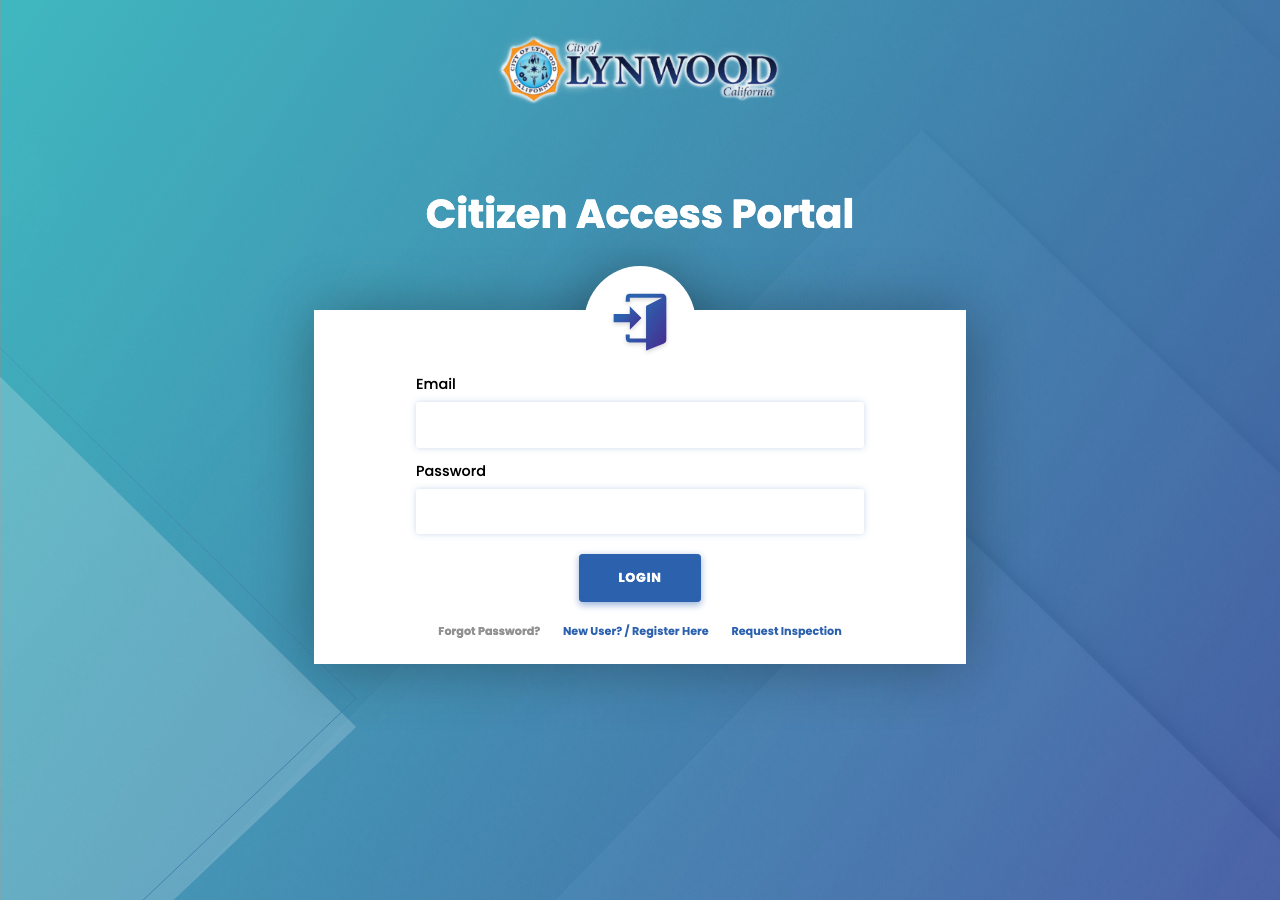
- Which permit portal does this authority use? Lynwood Citizen Access Portal (EDASoft/EnerGov-type system) at lynwood.edgesoftinc.com/cap/, with a separate permit-lookup-by-address tool at lynwood.edgesoftinc.com/lynwood-pi/. 92% · department page
- Can the whole application be completed online? Yes 88% · department page
- What does a residential solar permit cost? Building permit fee is valuation-based via the City's Construction Permits sliding-scale table (e.g., $52 up to $500 valuation, rising through tiers to $7,542 at $1,000,001+), plus a SolarAPP+ platform processing fee of an unstated amount charged separately by SolarAPP+/NREL; where LACoFD directly reviews/inspects (ESS or qualifying BIPV only), LACoFD's own fee schedule separately charges $776 PV plan review + $293 PV field inspection. 70% · fee schedule (PDF, dated 2023-10-26)
- How is the fee calculated? Valuation 78% · fee schedule
- Is there a separate plan-check fee? Yes 78% · fee schedule
-
Plan review — and start the utility in parallel
Interconnection is a separate process from the permit and usually the longer pole. Where the utility does not depend on the permit being issued, running both at once is the single biggest saving available on a residential job.
- What is the stated plan-review turnaround? Instant/same-day for SolarAPP+-eligible systems -- the application button itself is labeled 'APPLY FOR INSTANT SOLAR PERMIT.' No separate business-day turnaround figure is published for non-eligible/manual-review projects. 60% · department page
- How long is an issued permit valid before it expires? Not locally amended -- Lynwood adopted the 2022 CBC/2022 CRC 'in its entirety' with the amendment subsection for both marked '[Reserved for future amendments],' so the state-model default permit-expiration provision (commencement/diligent-progress window, commonly 180 days under CBC/CRC §105.5) applies unamended. 55% · ordinance
- Which utility handles interconnection here? Southern California Edison (SCE) 78% · department handout (PDF, dated 2020-08-12)
- Where does the utility sit in the sequence? After permit (standard CA NEM interconnection pattern: SCE work order is required upfront only for projects needing service/panel modifications; otherwise utility interconnection application and PTO occur after the City's final inspection). No single stated sequence page exists. 45% · department handout
28 questions answered against City of Lynwood’s own published documents
Q1 Is this authority the AHJ for residential solar at this address? Core Jurisdiction & scope
Yes
Why the confidence is not higherCity's own Solar-Application and Building & Safety Division pages describe the City as issuing/inspecting authority via SolarAPP+.
department page checked 2026-08-30 https://www.lynwoodca.gov/346/Solar-Application
Q2 What does this authority permit itself, and what does it delegate? Core Jurisdiction & scope
Both
Why the confidence is not higherBuilding & Safety Division (part of Community Development) issues a single combined SolarAPP+ permit covering building and electrical scope for standard rooftop PV; fire code enforcement citywide is delegated to LACoFD (see jurisdiction block), and LACoFD separately retains ESS/BIPV review even when PV fire review is delegated.
department page checked 2026-08-30 https://www.lynwoodca.gov/168/Community-Development
Q3 Is a permit required for a residential rooftop PV system? Core Jurisdiction & scope
Yes
Why the confidence is not higherSolar-Application page describes the full application/permit workflow through SolarAPP+ as mandatory to obtain an 'instant solar permit.'
department page checked 2026-08-30 https://www.lynwoodca.gov/346/Solar-Application
Q4 Is there a separate electrical permit, or is it combined? Core Jurisdiction & scope
Combined
Why the confidence is not higherSolar page describes one SolarAPP+ ID leading to one downloadable permit, not separate building/electrical permits; no separate electrical-permit step is described in the workflow.
department page checked 2026-08-30 https://www.lynwoodca.gov/346/Solar-Application
Q5 Who is allowed to pull the electrical permit? Core Who may apply
Any contractor
Why the confidence is not higherPage states 'Contractors can submit approved SolarAPP+ projects' without restricting to a specific trade classification; does not explicitly address owner-builder (see Q7).
department page checked 2026-08-30 https://www.lynwoodca.gov/346/Solar-Application
Q6 Must the contractor be registered with this authority before applying? Core Who may apply
Yes
Why the confidence is not higherNot stated on the solar page itself; inferred from Lynwood Municipal Code Ch. 4 ('Contractor shall be synonymous with the term builder...'), which subjects contractors performing work in the city to the general local business-license/registration procedure (§4-1, §4-6) applicable citywide, not solar-specific.
ordinance checked 2026-08-30 https://www.codepublishing.com/CA/Lynwood/html/Lynwood04/Lynwood0401.html
Q7 Is a homeowner permitted to self-install and self-permit? Who may apply
Yes
Why the confidence is not higherNot explicitly addressed on the City's solar page (which is framed around contractor submittal); California law generally permits homeowner owner-builder self-permitting statewide and Lynwood's code contains no found exclusion for solar. Inference, not a direct city statement.
department page checked 2026-08-30 https://www.lynwoodca.gov/346/Solar-Application
Q8 What documents make up a complete submittal? Core Submittal package
SolarAPP+ Checklist and approval document, plus the approved SolarAPP+ ID generated by NREL's SolarAPP+ platform, uploaded to the City's Citizen Access Portal along with property address and project valuation.
Why the confidence is not higherStated directly on the Solar-Application page's step-by-step application instructions.
department page checked 2026-08-30 https://www.lynwoodca.gov/346/Solar-Application
Q9 How many copies, and in what format? Submittal package
Electronic upload only through the Citizen Access Portal (no physical copies specified) for SolarAPP+-eligible systems.
Why the confidence is not higherPage describes an entirely digital upload/download workflow with no mention of paper copies; contrasts with the City's general (non-solar) 'New Submittal Requirements' handout, which requires 3 physical plan sets for standard building permits -- that generic handout is not solar-specific.
department page checked 2026-08-30 https://www.lynwoodca.gov/346/Solar-Application
Q10 Is a site plan required, and what must it show? Core Submittal package
Nothing published by this authority.
Where we lookedLynwood Solar-Application page (/346) and the general (non-solar) Building and Safety New Submittal Requirements PDF -- the latter gives only a generic site-plan drawing scale (1/8in) for standard building permits, not a solar-specific site-plan content list (array layout, roof plane, setbacks, disconnect locations).
Q11 Is a one-line / three-line diagram required? Core Drawings & calculations
Nothing published by this authority.
Where we lookedLynwood Solar-Application page -- no one-line/three-line diagram requirement stated; would be an internal SolarAPP+ platform input field not independently confirmable from a Lynwood-controlled source.
Q12 Are string and conductor calculations required? Drawings & calculations
Nothing published by this authority.
Where we lookedLynwood Solar-Application page -- no string/conductor calculation requirement stated.
Q13 Is a structural PE stamp required, and at what threshold? Core Engineering & stamps
No numeric threshold published; general Building & Safety submittal handout requires 'Structural plan and supporting calculations - 2 copies, unless waived by the Building Official,' implying case-by-case waiver rather than a stated kW/weight/span threshold. SolarAPP+-eligible systems bypass individualized structural stamping via the platform's self-certified structural criteria.
Why the confidence is not higherThe only Lynwood-specific text found is the generic (non-solar) 2020 New Submittal Requirements PDF; no solar-specific structural threshold document was found on the city site.
department handout (PDF, dated 2020-08-12) checked 2026-08-30 https://www.lynwoodca.gov/DocumentCenter/View/161/Building-and-Safety-New-Submittal-Requirements-PDF
Q14 Is an electrical PE stamp required, and at what threshold? Engineering & stamps
Nothing published by this authority.
Where we lookedLynwood Solar-Application page and general Building and Safety New Submittal Requirements PDF -- neither states an electrical PE stamp threshold.
Q15 What does a residential solar permit cost? Core Fees
Building permit fee is valuation-based via the City's Construction Permits sliding-scale table (e.g., $52 up to $500 valuation, rising through tiers to $7,542 at $1,000,001+), plus a SolarAPP+ platform processing fee of an unstated amount charged separately by SolarAPP+/NREL; where LACoFD directly reviews/inspects (ESS or qualifying BIPV only), LACoFD's own fee schedule separately charges $776 PV plan review + $293 PV field inspection.
Why the confidence is not higherCity Building & Safety Master Fee Schedule PDF (dated by internal form-header metadata to Oct 2023) has no dedicated 'solar' line item -- fee falls under the general valuation-based Construction Permits table; SolarAPP+'s own separate fee is referenced but not quantified on the city page; LACoFD figures come from its own current (2024-01-11 effective) Appendix QQ fee schedule.
fee schedule (PDF, dated 2023-10-26) checked 2026-08-30 https://www.lynwoodca.gov/DocumentCenter/View/1210/Building-and-Safety-Master-Fee-Schedule-PDF
Q16 How is the fee calculated? Core Fees
Valuation
Why the confidence is not higherThe City fee schedule's only applicable 'Construction Permits' table is a valuation-tiered sliding scale (no separate flat solar/per-kW/per-panel line); LACoFD's parallel PV fee lines (for ESS/BIPV-triggered review) are flat per-project amounts, not valuation-based.
fee schedule checked 2026-08-30 https://www.lynwoodca.gov/DocumentCenter/View/1210/Building-and-Safety-Master-Fee-Schedule-PDF
Q17 Is there a separate plan-check fee? Fees
Yes
Why the confidence is not higherFee schedule lists 'Electrical Plan Check fee = 25% of bldg. plan check fee' as a separate line under 'Plan Check fees,' distinct from the base permit fee.
fee schedule checked 2026-08-30 https://www.lynwoodca.gov/DocumentCenter/View/1210/Building-and-Safety-Master-Fee-Schedule-PDF
Q18 What is the stated plan-review turnaround? Core Timeline & validity
Instant/same-day for SolarAPP+-eligible systems -- the application button itself is labeled 'APPLY FOR INSTANT SOLAR PERMIT.' No separate business-day turnaround figure is published for non-eligible/manual-review projects.
Why the confidence is not higherOnly turnaround signal found is the button label implying instant issuance for the SolarAPP+ path; no explicit day-count is stated anywhere on the site for manual review.
department page checked 2026-08-30 https://www.lynwoodca.gov/346/Solar-Application
Q19 How long is an issued permit valid before it expires? Timeline & validity
Not locally amended -- Lynwood adopted the 2022 CBC/2022 CRC 'in its entirety' with the amendment subsection for both marked '[Reserved for future amendments],' so the state-model default permit-expiration provision (commencement/diligent-progress window, commonly 180 days under CBC/CRC §105.5) applies unamended.
Why the confidence is not higherInferred from the adopting ordinance's empty amendments subsections rather than a locally stated day-count; no Lynwood-specific number was found.
ordinance checked 2026-08-30 https://www.codepublishing.com/CA/Lynwood/html/Lynwood11/Lynwood1106.html
Q20 Which permit portal does this authority use? Core Portal & process
Lynwood Citizen Access Portal (EDASoft/EnerGov-type system) at lynwood.edgesoftinc.com/cap/, with a separate permit-lookup-by-address tool at lynwood.edgesoftinc.com/lynwood-pi/.
Why the confidence is not higherNamed directly on the Building & Safety Division page.
department page checked 2026-08-30 https://www.lynwoodca.gov/170/Building-Safety-Division
Q21 Can the whole application be completed online? Core Portal & process
Yes
Why the confidence is not higherSolar-Application page describes account registration, document upload, SolarAPP+ ID entry, term acceptance, permit download, and inspection scheduling all occurring inside the same portal.
department page checked 2026-08-30 https://www.lynwoodca.gov/346/Solar-Application
Q22 Which utility handles interconnection here? Core Utility interconnection
Southern California Edison (SCE)
Why the confidence is not higherCity's general (non-solar-specific) 'New Submittal Requirements' handout names 'Southern California Electric (SCE) Service work order' as a required item for service modifications/panel upgrades -- clearly refers to Southern California Edison despite the handout's imprecise name. This is a city-side document naming the utility, not a third-party lookup tool.
department handout (PDF, dated 2020-08-12) checked 2026-08-30 https://www.lynwoodca.gov/DocumentCenter/View/161/Building-and-Safety-New-Submittal-Requirements-PDF
Q23 Where does the utility sit in the sequence? Core Utility interconnection
After permit (standard CA NEM interconnection pattern: SCE work order is required upfront only for projects needing service/panel modifications; otherwise utility interconnection application and PTO occur after the City's final inspection). No single stated sequence page exists.
Why the confidence is not higherPieced together from the general submittal handout's SCE work-order line plus the absence of any utility-sequence statement on the solar or building pages; genuinely uncertain and flagged as inference.
department handout checked 2026-08-30 https://www.lynwoodca.gov/DocumentCenter/View/161/Building-and-Safety-New-Submittal-Requirements-PDF
Q24 Is a HOA or architectural approval required first? Overlays & special cases
No local HOA/architectural-review requirement found for rooftop PV.
Why the confidence is not higherFull-text search of the codified Municipal Code (via codepublishing.com's dtSearch engine) for 'architectural review' returned zero hits; positive control 'electrical' returned 28 hits and fabricated control 'zzqqx' returned zero, confirming the search index is live and functioning.
municipal code (full-text search) checked 2026-08-30 https://www.codepublishing.com/CA/Lynwood/
Q25 Is there a historic-district review? Overlays & special cases
No dedicated local historic-district review requirement found.
Why the confidence is not higherSearch for 'historic' returned only a generic National-Register-of-Historic-Places definition (Ch.15 Flood Damage, §15-5) and unrelated tree/variance references -- no local historic-overlay-district chapter or solar-specific historic review requirement found. Same search infrastructure validated by controls under Q24.
municipal code (full-text search) checked 2026-08-30 https://www.codepublishing.com/CA/Lynwood/
Q26 Is a wind or windstorm certification required? Overlays & special cases
No wind/windstorm certification requirement found; structural design is governed by the standard CRC/CBC wind-design tables (Table R301.2(1), locally amended only for the climatic data columns, not for a separate certification process).
Why the confidence is not higherInferred from the absence of any 'wind' hits related to certification beyond the standard CRC design-criteria table amendment; California inland/coastal cities do not typically require a separate windstorm certification the way some Gulf Coast TDI jurisdictions do.
ordinance checked 2026-08-30 https://www.codepublishing.com/CA/Lynwood/html/Lynwood11/Lynwood1107.html
Q27 Is a Specific Use Permit or Council approval ever required? Overlays & special cases
No -- standard residential rooftop PV is not shown to require a Specific Use Permit or Council approval; the Zoning Chapter's 'solar' hits are limited to landscaping/screening/solar-water-heater exemption language, not a CUP trigger for PV systems.
Why the confidence is not higherFull-text search for 'solar' in the code returned only 4 hits (landscaping orientation, mechanical-equipment screening mentioning 'solar collectors,' solar-water-heater screening exemption, and tree-planting solar-glare language) -- none reference a CUP/Council-approval process for PV.
municipal code (full-text search) checked 2026-08-30 https://www.codepublishing.com/CA/Lynwood/
Q28 Is there a system-size cap on residential generation? Overlays & special cases
No local system-size cap found.
Why the confidence is not higherSearch for 'kilowatt' and 'net energy metering' returned zero hits in the codified Municipal Code; any cap on a given project would instead come from SolarAPP+ program eligibility limits (a national platform constraint), not a Lynwood ordinance.
municipal code (full-text search) checked 2026-08-30 https://www.codepublishing.com/CA/Lynwood/
Lines marked with a percentage were read off this authority’s own published documents. Unmarked guidance is general good practice, not this jurisdiction’s rule — always confirm against the authority before you submit.
Install 5 steps · 20 questions
-
Build to the code editions actually in force here
The NEC edition a jurisdiction enforces is often a cycle behind the newest one published, and local amendments sit on top of it. Rapid shutdown, conductor sizing and labelling all change between editions, so the edition in force is the first thing to establish, not the last.
- Which NEC edition is in force? 2020 NEC (as the electrical basis of the 2022 California Electrical Code) 95% · ordinance
- Which building code edition is in force? 2022 California Building Code (incorporating the 2021 IBC) and 2022 California Residential Code (incorporating the 2021 IRC) 95% · ordinance
- Which fire code edition is in force? Document conflict: the codified Municipal Code §12-1.1 states Lynwood 'Adopts the 2017 District Fire Code as the fire code for the city' (Ord. #1710, ratifying the LA County Board of Supervisors' Jan-24-2017 district fire code amendment). However, LACoFD's own current (Sept 2023) guidance documents operate under the 2023 Los Angeles County Fire Code (LACFC, based on the 2022 CFC), suggesting the city's codified fire-code section has not been re-codified since a later county cycle was adopted. 55% · ordinance
- Are there local amendments to any of the above? Yes -- at minimum, Table R301.2(1) (Climatic and Geographic Design Criteria) of the 2022 CRC is locally amended with Lynwood-specific values; the Building, Electrical, and Mechanical Code amendment subsections are each explicitly marked '[Reserved for future amendments]' meaning no further amendments are currently populated for those codes. 85% · ordinance
- What is the installation judged against? The 2022 California Building Code, 2022 California Residential Code, and 2022 California Electrical Code (2020 NEC base), as adopted in full by Municipal Code Chapter 11 (Ord. #1755), with LACFC/2022 CFC governing fire-safety aspects for LACoFD. 88% · ordinance
-
Fire access, setbacks and pathways
Ridge setbacks and roof access pathways are fire-service requirements and they constrain the array layout. They are the most common cause of a redesign after the fire department comments on a plan set.
Nothing recorded for City of Lynwood on this step yet — 1 question checked and found unpublished. The guidance above is general.
-
Rapid shutdown
Which rapid-shutdown rule applies follows directly from the NEC edition in force, and the initiation device has to be at a location the fire service can reach and identify. This is inspected, and it is labelled.
- Is rapid shutdown required, and to which NEC edition? Yes -- rapid shutdown required per NEC 690.12, as incorporated through the unamended 2020 NEC base of the 2022 California Electrical Code. 88% · ordinance
-
Labels and placards
The NEC sets a baseline for permanent markings at the service equipment and the disconnecting means. On top of that, an authority may specify its own wording, and the utility may specify more again. Where any of them writes its own text, a generic off-the-shelf label set will not pass — this is the detail most often fixed on a return visit.
- Which placards does this authority require at the service equipment? LACoFD's Electrical Power Source Disconnect Placarding System -- Exterior Placards (on/adjacent to each panel/enclosure/standalone disconnect) and Panel-Interior Placards (identifying specific switches/breakers within a shared panel). 90% · AHJ guidance document (PDF, dated 2023-09-01)
- Does the authority specify placard wording of its own? Yes -- exact wording is specified: exterior placard reads 'F.D. - ELECTRICAL / BLDG DISCONNECT / #X of Y'; panel-interior placard reads '#X' only. 95% · AHJ guidance document
- Does it specify letter height, colour or material? Yes: Exterior Placards minimum 2in tall x 3.5in wide, weather-resistant plastic, verbiage engraved; Panel-Interior Placards minimum 7/16in tall x 3/4in wide, same material. Color: red letters engraved into a yellow background. Font: solid all-capitals Arial; exterior body text minimum size 24 ('F.D.' and '#X of Y' bold, minimum size 28); panel-interior text solid all-caps Arial bold minimum size 24. Attachment by permanent epoxy. 95% · AHJ guidance document
- Is a site plan / facility map placard required, and what must it show? No separate 'site plan/facility map' placard is defined; the checklist ties the same Electrical Power Source Disconnect Placarding System to NEC/CEC §705.10 (and §225.37, §230.70, §230.85, §705.20) rather than requiring a distinct facility map placard. 60% · AHJ inspection checklist (PDF, dated 2023-09-01)
- Where must the labels be placed? Exterior Placards go on or immediately adjacent to each panel/enclosure or standalone disconnect switch that must be operated; Panel-Interior Placards go inside a panel to identify specific switches/breakers where multiple switches within one panel must be operated; placement is determined by a C-10 electrician (or other qualified trade) subject to Fire Code Official approval. 88% · AHJ guidance document
-
Disconnect, storage and listed equipment
Where the AC disconnect must sit relative to the meter is usually the utility's rule, not the building department's. Battery storage frequently carries its own permit, its own inspection and its own fire conditions.
- Where must the AC disconnect be, relative to the meter? Electrical disconnection means and Rapid Shutdown activation devices for all power sources (utility, PV, ESS, etc.) must be located on the exterior, within 6 ft of the main service panel, on the same wall plane, with no separation by walls/gates/fences/vegetation/architectural features (LACFC §509.3); working clearance in front of this equipment must be at least 30in wide x 36in deep x 78in high. 82% · AHJ inspection checklist
- Must equipment be on a specific approved list? Yes -- for ESS specifically: UL 9540 listing required for the ESS unit (whole-unit or per-component), and UL 1741 listing required for the ESS inverter unless already covered by the UL 9540 listing; ESS listed solely for utility/commercial use may not be used residentially. General PV equipment must otherwise meet standard NEC/CEC listing requirements as adopted. 82% · AHJ inspection checklist
- Are batteries permitted, and under what conditions? Yes, under LACFC §1207.11: individual ESS units capped at 20 kWh nameplate rating; aggregate per R-3/R-4 site capped at 80 kWh (in any combination of attached/detached garage, exterior wall-mount, or outdoor ground locations); prohibited inside dwelling units/ADUs, sleeping units, closets, bathrooms, basements, non-garage accessory structures, or vaults; minimum 3-ft spacing between individual units; outdoor/exterior-wall units need 5 ft from lot lines/public ways/other buildings/combustibles, 10 ft from vegetation, and 3 ft from doors/windows/openings; detection/notification required for garage-installed units; vehicle-impact protection required per specified bollard designs where applicable. 92% · AHJ guidance document
- Is there a separate ESS permit or inspection? Yes -- ESS installations with a capacity greater than 3 kWh require their own LACoFD Fire Prevention plan submittal/approval and field inspection (with LACoFD-billed fees), in addition to the City's own SolarAPP+ building/electrical permit; this is separate from and additional to the City's inspection for the PV portion. 88% · AHJ inspection checklist
- Is a ground mount treated as a structure? Likely yes (treated as an accessory structure), by inference -- no Lynwood-specific 'ground mount' provision was found (zero search hits), so a ground-mounted PV array would fall under the general 2022 CBC/CRC accessory-structure and setback rules rather than a dedicated solar ground-mount ordinance. 50% · ordinance (absence finding)
- Is a specific mounting system or attachment spacing required? No Lynwood-specific mounting/attachment-spacing rule found; governed by the unamended 2022 CRC/manufacturer listing requirements and the equipment's own UL/ICC-ES listing. 55% · ordinance
20 questions answered against City of Lynwood’s own published documents
Q29 Which NEC edition is in force? Core Code editions in force
2020 NEC (as the electrical basis of the 2022 California Electrical Code)
Why the confidence is not higherMunicipal Code §11-9.1: '"2022 California Electrical Code," based on the 2020 National Electrical Code as published by the National Fire Protection Association, is hereby adopted in its entirety...' via Ord. #1755.
ordinance checked 2026-08-30 https://www.codepublishing.com/CA/Lynwood/html/Lynwood11/Lynwood1109.html
Q30 Which building code edition is in force? Core Code editions in force
2022 California Building Code (incorporating the 2021 IBC) and 2022 California Residential Code (incorporating the 2021 IRC)
Why the confidence is not higherMunicipal Code §11-6.1 and §11-7.1, both adopted via Ord. #1755; code library confirms current through Ord. 1788 (April 7, 2026), i.e. this is still the live cycle, not superseded.
ordinance checked 2026-08-30 https://www.codepublishing.com/CA/Lynwood/html/Lynwood11/Lynwood1106.html
Q31 Which fire code edition is in force? Code editions in force
Document conflict: the codified Municipal Code §12-1.1 states Lynwood 'Adopts the 2017 District Fire Code as the fire code for the city' (Ord. #1710, ratifying the LA County Board of Supervisors' Jan-24-2017 district fire code amendment). However, LACoFD's own current (Sept 2023) guidance documents operate under the 2023 Los Angeles County Fire Code (LACFC, based on the 2022 CFC), suggesting the city's codified fire-code section has not been re-codified since a later county cycle was adopted.
Why the confidence is not higherTwo LACoFD/city sources conflict on the fire-code edition in force; reported both rather than silently reconciling, per the brief's instruction on document conflicts.
ordinance checked 2026-08-30 https://www.codepublishing.com/CA/Lynwood/html/Lynwood12/Lynwood1201.html
Q32 Are there local amendments to any of the above? Core Code editions in force
Yes -- at minimum, Table R301.2(1) (Climatic and Geographic Design Criteria) of the 2022 CRC is locally amended with Lynwood-specific values; the Building, Electrical, and Mechanical Code amendment subsections are each explicitly marked '[Reserved for future amendments]' meaning no further amendments are currently populated for those codes.
Why the confidence is not higherDirectly read from Municipal Code §11-7.2 (Residential Code amendments) versus the empty §11-6.2/§11-9.2/§11-10.2 reservation clauses.
ordinance checked 2026-08-30 https://www.codepublishing.com/CA/Lynwood/html/Lynwood11/Lynwood1107.html
Q33 What is the installation judged against? Core Electrical
The 2022 California Building Code, 2022 California Residential Code, and 2022 California Electrical Code (2020 NEC base), as adopted in full by Municipal Code Chapter 11 (Ord. #1755), with LACFC/2022 CFC governing fire-safety aspects for LACoFD.
Why the confidence is not higherDirectly stated across Municipal Code §11-6, §11-7, §11-9.
ordinance checked 2026-08-30 https://www.codepublishing.com/CA/Lynwood/html/Lynwood11/Lynwood11.html
Q34 Is there a local rule on service upgrades or busbar sizing? Electrical
Nothing published by this authority.
Where we lookedMunicipal Code §11-9.2 (2022 California Electrical Code Amendments), which reads '[Reserved for future amendments]' -- a proven absence of any local service-upgrade or busbar-sizing rule.
https://www.codepublishing.com/CA/Lynwood/html/Lynwood11/Lynwood1109.html
Q35 Is a specific mounting system or attachment spacing required? Structural & mounting
No Lynwood-specific mounting/attachment-spacing rule found; governed by the unamended 2022 CRC/manufacturer listing requirements and the equipment's own UL/ICC-ES listing.
Why the confidence is not higherNo mounting-specific text found in Chapter 11's amendment subsections (all reserved); this is an inference from the absence of a local amendment rather than a direct statement.
ordinance checked 2026-08-30 https://www.codepublishing.com/CA/Lynwood/html/Lynwood11/Lynwood1106.html
Q36 What ridge setback and access pathways are required? Core Fire pathways & setbacks
Nothing published by this authority.
Where we lookedLynwood Municipal Code Chapter 12 (Fire Prevention and Protection) -- sections 12-5 through 12-10 return an ICC Code Solutions 'Page Not Found' (soft-404), and the LACoFD Guide for ESS, PV & Disconnects is scoped to R-3/R-4 ESS/PV disconnects only, not roof ridge setback/access-pathway rules. The broader LACFC solar-photovoltaic fire-pathway section (2022 CFC §1204) was not separately locatable on either the city's codepublishing.com pages or fire.lacounty.gov.
https://www.codepublishing.com/CA/Lynwood/html/Lynwood12/Lynwood1204.html
Q37 Is rapid shutdown required, and to which NEC edition? Core Rapid shutdown
Yes -- rapid shutdown required per NEC 690.12, as incorporated through the unamended 2020 NEC base of the 2022 California Electrical Code.
Why the confidence is not higherSection 11-9.1 adopts the 2020 NEC-based 2022 CEC in its entirety with amendments 'Reserved for future amendments,' meaning NEC 690.12 rapid-shutdown provisions apply unamended; also independently corroborated by LACoFD's Guide, which discusses PV 'Rapid Shutdown' devices requiring placarding under its Electrical Power Source Disconnect Placarding System.
ordinance checked 2026-08-30 https://www.codepublishing.com/CA/Lynwood/html/Lynwood11/Lynwood1109.html
Q38 Which placards does this authority require at the service equipment? Core Labels Signage & labelling
LACoFD's Electrical Power Source Disconnect Placarding System -- Exterior Placards (on/adjacent to each panel/enclosure/standalone disconnect) and Panel-Interior Placards (identifying specific switches/breakers within a shared panel).
Why the confidence is not higherLACoFD's Sept-2023 Guide, Appendix B, sets out this placarding system in full detail, extracted directly via pdftotext -layout from the source PDF (not summarized).
AHJ guidance document (PDF, dated 2023-09-01) checked 2026-08-30 https://fire.lacounty.gov/wp-content/uploads/2023/09/LACoFD-Guide-for-ESS-PV-and-Disconnects-Rev-3-2023-09-01-w-Appendices-SECURED.pdf
Q39 Does the authority specify placard wording of its own? Core Labels Signage & labelling
Yes -- exact wording is specified: exterior placard reads 'F.D. - ELECTRICAL / BLDG DISCONNECT / #X of Y'; panel-interior placard reads '#X' only.
Why the confidence is not higherVerbatim from Appendix B, Figures 1 and 2, of the LACoFD Guide.
AHJ guidance document checked 2026-08-30 https://fire.lacounty.gov/wp-content/uploads/2023/09/LACoFD-Guide-for-ESS-PV-and-Disconnects-Rev-3-2023-09-01-w-Appendices-SECURED.pdf
Q40 Does it specify letter height, colour or material? Core Labels Signage & labelling
Yes: Exterior Placards minimum 2in tall x 3.5in wide, weather-resistant plastic, verbiage engraved; Panel-Interior Placards minimum 7/16in tall x 3/4in wide, same material. Color: red letters engraved into a yellow background. Font: solid all-capitals Arial; exterior body text minimum size 24 ('F.D.' and '#X of Y' bold, minimum size 28); panel-interior text solid all-caps Arial bold minimum size 24. Attachment by permanent epoxy.
Why the confidence is not higherVerbatim from Appendix B, Sections 1-4, of the LACoFD Guide.
AHJ guidance document checked 2026-08-30 https://fire.lacounty.gov/wp-content/uploads/2023/09/LACoFD-Guide-for-ESS-PV-and-Disconnects-Rev-3-2023-09-01-w-Appendices-SECURED.pdf
Q41 Is a site plan / facility map placard required, and what must it show? Core Labels Signage & labelling
No separate 'site plan/facility map' placard is defined; the checklist ties the same Electrical Power Source Disconnect Placarding System to NEC/CEC §705.10 (and §225.37, §230.70, §230.85, §705.20) rather than requiring a distinct facility map placard.
Why the confidence is not higherThe Expedited Permitting Inspection Checklist cites CEC §705.10 as one of the code sections underlying the disconnect placarding system itself, but does not describe a separate site/facility map placard document.
AHJ inspection checklist (PDF, dated 2023-09-01) checked 2026-08-30 https://fire.lacounty.gov/wp-content/uploads/2023/09/Expedited-Permitting-Checklist-LACoFD-ESS-PV-Disconnects-2023-09-01-SECURED.pdf
Q42 Does the UTILITY specify placards beyond the AHJ's? Core Labels Signage & labelling
Nothing published by this authority.
Where we lookedSCE's public interconnection/generating-your-own-power pages returned 404s on direct URL guesses, and per the brief's known issue, SCE's Interconnection Handbook and DG territory pages are gated behind a Microsoft OAuth/SharePoint redirect. Could not independently confirm any utility-specific placard requirement beyond the AHJ's own.
Q43 Where must the labels be placed? Core Labels Signage & labelling
Exterior Placards go on or immediately adjacent to each panel/enclosure or standalone disconnect switch that must be operated; Panel-Interior Placards go inside a panel to identify specific switches/breakers where multiple switches within one panel must be operated; placement is determined by a C-10 electrician (or other qualified trade) subject to Fire Code Official approval.
Why the confidence is not higherVerbatim from Appendix B, Section 7, of the LACoFD Guide.
AHJ guidance document checked 2026-08-30 https://fire.lacounty.gov/wp-content/uploads/2023/09/LACoFD-Guide-for-ESS-PV-and-Disconnects-Rev-3-2023-09-01-w-Appendices-SECURED.pdf
Q44 Must equipment be on a specific approved list? Equipment listing
Yes -- for ESS specifically: UL 9540 listing required for the ESS unit (whole-unit or per-component), and UL 1741 listing required for the ESS inverter unless already covered by the UL 9540 listing; ESS listed solely for utility/commercial use may not be used residentially. General PV equipment must otherwise meet standard NEC/CEC listing requirements as adopted.
Why the confidence is not higherDirectly from the LACoFD Expedited Permitting Inspection Checklist, Section II.1.a-b, citing CFC/LACFC §1207.11.1 and §1207.11.5.
AHJ inspection checklist checked 2026-08-30 https://fire.lacounty.gov/wp-content/uploads/2023/09/Expedited-Permitting-Checklist-LACoFD-ESS-PV-Disconnects-2023-09-01-SECURED.pdf
Q45 Are batteries permitted, and under what conditions? Core Battery / ESS
Yes, under LACFC §1207.11: individual ESS units capped at 20 kWh nameplate rating; aggregate per R-3/R-4 site capped at 80 kWh (in any combination of attached/detached garage, exterior wall-mount, or outdoor ground locations); prohibited inside dwelling units/ADUs, sleeping units, closets, bathrooms, basements, non-garage accessory structures, or vaults; minimum 3-ft spacing between individual units; outdoor/exterior-wall units need 5 ft from lot lines/public ways/other buildings/combustibles, 10 ft from vegetation, and 3 ft from doors/windows/openings; detection/notification required for garage-installed units; vehicle-impact protection required per specified bollard designs where applicable.
Why the confidence is not higherDirectly extracted (pdftotext -layout) from LACoFD's Sept-2023 Guide and matching Inspection Checklist, both current and specific to LACFC §1207.11.
AHJ guidance document checked 2026-08-30 https://fire.lacounty.gov/wp-content/uploads/2023/09/LACoFD-Guide-for-ESS-PV-and-Disconnects-Rev-3-2023-09-01-w-Appendices-SECURED.pdf
Q46 Is there a separate ESS permit or inspection? Battery / ESS
Yes -- ESS installations with a capacity greater than 3 kWh require their own LACoFD Fire Prevention plan submittal/approval and field inspection (with LACoFD-billed fees), in addition to the City's own SolarAPP+ building/electrical permit; this is separate from and additional to the City's inspection for the PV portion.
Why the confidence is not higherStated directly in the LACoFD Expedited Permitting Inspection Checklist, Section I.2.b.i, and corroborated by the Guide's Background section describing LACoFD's retained ESS/BIPV authority.
AHJ inspection checklist checked 2026-08-30 https://fire.lacounty.gov/wp-content/uploads/2023/09/Expedited-Permitting-Checklist-LACoFD-ESS-PV-Disconnects-2023-09-01-SECURED.pdf
Q47 Is a ground mount treated as a structure? Core Ground mount
Likely yes (treated as an accessory structure), by inference -- no Lynwood-specific 'ground mount' provision was found (zero search hits), so a ground-mounted PV array would fall under the general 2022 CBC/CRC accessory-structure and setback rules rather than a dedicated solar ground-mount ordinance.
Why the confidence is not higherAbsence-based inference: 'ground mount' returned zero hits in the full-text code search (control-validated per Q24); no distinct treatment is published either way.
ordinance (absence finding) checked 2026-08-30 https://www.codepublishing.com/CA/Lynwood/html/Lynwood11/Lynwood1106.html
Q48 Where must the AC disconnect be, relative to the meter? Core Utility equipment
Electrical disconnection means and Rapid Shutdown activation devices for all power sources (utility, PV, ESS, etc.) must be located on the exterior, within 6 ft of the main service panel, on the same wall plane, with no separation by walls/gates/fences/vegetation/architectural features (LACFC §509.3); working clearance in front of this equipment must be at least 30in wide x 36in deep x 78in high.
Why the confidence is not higherFrom the LACoFD Expedited Permitting Inspection Checklist, Section IV.1 and IV.3, citing LACFC §509.3 and §603.4 -- a fire-code disconnect-placement rule rather than a utility (SCE) document; SCE's own Interconnection Handbook was checked but is gated behind a SharePoint/Microsoft-OAuth redirect and could not be independently confirmed (see Q42/Q62 not_found).
AHJ inspection checklist checked 2026-08-30 https://fire.lacounty.gov/wp-content/uploads/2023/09/Expedited-Permitting-Checklist-LACoFD-ESS-PV-Disconnects-2023-09-01-SECURED.pdf
Lines marked with a percentage were read off this authority’s own published documents. Unmarked guidance is general good practice, not this jurisdiction’s rule — always confirm against the authority before you submit.
Inspection 5 steps · 14 questions
-
Book it
Booking is a portal, a phone call or an email depending on the authority, and the notice required is rarely zero. Book before the work is finished rather than after — the lead time, not the work, is usually what sets the date.
- How is an inspection booked? Portal 92% · department page
-
Know who turns up
Some authorities inspect their own solar work; some delegate it, and a few do not inspect the PV equipment itself at all. Who is coming determines what they will look at.
- Does this AHJ perform its own final solar inspection? Delegated 80% · AHJ guidance document
- If delegated, to whom? Los Angeles County Fire Department (LACoFD), Fire Prevention Division -- but only for the ESS/BESS and qualifying BIPV portion of a project; conventional rooftop PV without battery storage is inspected solely by the City's own Building & Safety Division. 82% · AHJ guidance document
-
Work the stages in order
A rough-in or mid-roof inspection, where one is required, has to happen before the work it covers is closed up. Missing a stage means opening something back up, and it is the most expensive kind of correction.
- Which inspections are required, and in what order? Apply and receive a SolarAPP+ ID -> submit application with documents in the Citizen Access Portal -> download issued permit -> request final inspection through the portal (single-inspection model implied); where ESS/BESS or qualifying BIPV is present, a SEPARATE LACoFD Fire Prevention inspection is additionally required, scheduled directly with LACoFD's regional inspection office. 65% · department page
- Is a rough-in or mid-roof inspection required? No -- only a single final inspection is described for the City's portion of standard SolarAPP+ rooftop PV; no rough-in/mid-roof stage is mentioned. 55% · department page
-
Have the paperwork on site
The approved plan set, the permit, and the equipment listings should be on site and reachable. Inspectors routinely verify that installed equipment matches what was approved, and that the labels are the ones the plan set promised.
- Is there a published inspection checklist? Yes -- LACoFD publishes a full 5-page 'Inspection Checklist for Group R-3/-4 ESS, PV, and Electrical-Disconnect Placarding' for its portion; the City's process references the SolarAPP+-generated checklist for its portion but does not itself publish a separate document. 88% · AHJ inspection checklist
- What must be on site at inspection? City inspection: printed approved SolarAPP+ Checklist and any other related documents. LACoFD inspection (ESS/BIPV only): digital proof of the construction permit obtained via the expedited-permitting process (e.g., SolarAPP+), disconnect placarding already in place, and LACoFD Fire Prevention fee(s) paid in advance. 85% · department page
- Does the inspector verify labels and listings? Yes -- LACoFD's inspection checklist explicitly requires the inspector to confirm UL 9540/UL 1741 listings and verify disconnect placard specifications (size, color, font, wording, placement) are in place before/at inspection; general city practice is inferred to include standard CEC-listing verification for the electrical portion. 75% · AHJ inspection checklist
-
Sign-off, and permission to operate
Passing gives you a final or an equivalent sign-off. That is not the same as permission to operate: PTO comes from the utility, and who tells the utility the inspection passed varies. A system left switched off for weeks is usually waiting on this handover.
- What is issued on pass? A portal-recorded 'passed' inspection status functions as the final sign-off for standard rooftop PV (no separate Certificate of Occupancy is issued for an accessory PV system); for LACoFD's ESS/BIPV portion, the Guide states explicitly: 'A Passed Inspection Serves as an Operational Permit at a R-3/R-4 Occupancy,' conditioned on passing other AHJs' requirements (Building & Safety, Utility, etc.). 65% · AHJ inspection checklist
- Is there a re-inspection fee? LACoFD: $98 for 'additional inspections after initial inspection and one reinspection' (Table QQ104.4(6), Miscellaneous Field Inspection). No separate city-side re-inspection fee line was found in Lynwood's own Building & Safety Master Fee Schedule -- that document lists only a general 'work started without permit' penalty inspection fee ($100.49/$120.00), not a correction re-inspection fee. 65% · fee schedule (PDF, effective 2024-01-11)
14 questions answered against City of Lynwood’s own published documents
Q49 How is an inspection booked? Core Booking & scheduling
Portal
Why the confidence is not higherSolar-Application page: login to Citizen Access Portal, click 'Request an Inspection,' enter permit number and select date.
department page checked 2026-08-30 https://www.lynwoodca.gov/346/Solar-Application
Q50 How much notice is required? Core Booking & scheduling
Nothing published by this authority.
Where we lookedLynwood Solar-Application page -- describes how to request an inspection through the portal but states no minimum notice/lead-time period.
Q51 Are same-day or AM/PM windows offered? Booking & scheduling
Nothing published by this authority.
Where we lookedLynwood Solar-Application page -- no mention of same-day or AM/PM inspection windows.
Q52 Does this AHJ perform its own final solar inspection? Core Who inspects
Delegated
Why the confidence is not higherCity Building & Safety performs the standard final inspection for conventional rooftop PV via the portal; LACoFD performs its OWN separate field inspection only where ESS/battery or qualifying BIPV is present -- a partial, condition-dependent delegation rather than a blanket Yes/No.
AHJ guidance document checked 2026-08-30 https://fire.lacounty.gov/wp-content/uploads/2023/09/LACoFD-Guide-for-ESS-PV-and-Disconnects-Rev-3-2023-09-01-w-Appendices-SECURED.pdf
Q53 If delegated, to whom? Core Who inspects
Los Angeles County Fire Department (LACoFD), Fire Prevention Division -- but only for the ESS/BESS and qualifying BIPV portion of a project; conventional rooftop PV without battery storage is inspected solely by the City's own Building & Safety Division.
Why the confidence is not higherDirectly stated in the LACoFD Guide's Background section and Expedited Permitting Checklist scope section.
AHJ guidance document checked 2026-08-30 https://fire.lacounty.gov/wp-content/uploads/2023/09/LACoFD-Guide-for-ESS-PV-and-Disconnects-Rev-3-2023-09-01-w-Appendices-SECURED.pdf
Q54 Which inspections are required, and in what order? Core Stages & sequence
Apply and receive a SolarAPP+ ID -> submit application with documents in the Citizen Access Portal -> download issued permit -> request final inspection through the portal (single-inspection model implied); where ESS/BESS or qualifying BIPV is present, a SEPARATE LACoFD Fire Prevention inspection is additionally required, scheduled directly with LACoFD's regional inspection office.
Why the confidence is not higherPieced together from the City's Solar-Application page workflow plus the LACoFD checklist's own separate scheduling instructions; no single city document lays out the full combined sequence end-to-end.
department page checked 2026-08-30 https://www.lynwoodca.gov/346/Solar-Application
Q55 Is a rough-in or mid-roof inspection required? Stages & sequence
No -- only a single final inspection is described for the City's portion of standard SolarAPP+ rooftop PV; no rough-in/mid-roof stage is mentioned.
Why the confidence is not higherInferred from the Solar-Application page describing only one 'Request an Inspection' step; not an explicit statement that no rough-in inspection exists.
department page checked 2026-08-30 https://www.lynwoodca.gov/346/Solar-Application
Q56 Does the inspector verify labels and listings? Core What is checked
Yes -- LACoFD's inspection checklist explicitly requires the inspector to confirm UL 9540/UL 1741 listings and verify disconnect placard specifications (size, color, font, wording, placement) are in place before/at inspection; general city practice is inferred to include standard CEC-listing verification for the electrical portion.
Why the confidence is not higherDirectly stated for the LACoFD-inspected portion (ESS/BIPV/disconnects); the City Building & Safety practice for standard PV listing checks is inferred from standard code-inspection practice rather than a separate published city checklist item.
AHJ inspection checklist checked 2026-08-30 https://fire.lacounty.gov/wp-content/uploads/2023/09/Expedited-Permitting-Checklist-LACoFD-ESS-PV-Disconnects-2023-09-01-SECURED.pdf
Q57 Is there a published inspection checklist? Core What is checked
Yes -- LACoFD publishes a full 5-page 'Inspection Checklist for Group R-3/-4 ESS, PV, and Electrical-Disconnect Placarding' for its portion; the City's process references the SolarAPP+-generated checklist for its portion but does not itself publish a separate document.
Why the confidence is not higherLACoFD checklist confirmed by direct PDF extraction; City page directs applicants to print 'a copy of the approved SolarAPP+ Checklist' generated by the platform.
AHJ inspection checklist checked 2026-08-30 https://fire.lacounty.gov/wp-content/uploads/2023/09/Expedited-Permitting-Checklist-LACoFD-ESS-PV-Disconnects-2023-09-01-SECURED.pdf
Q58 What must be on site at inspection? Core Documents on site
City inspection: printed approved SolarAPP+ Checklist and any other related documents. LACoFD inspection (ESS/BIPV only): digital proof of the construction permit obtained via the expedited-permitting process (e.g., SolarAPP+), disconnect placarding already in place, and LACoFD Fire Prevention fee(s) paid in advance.
Why the confidence is not higherBoth requirements directly stated -- city portion on the Solar-Application page, LACoFD portion in Section V of its Expedited Permitting Checklist.
department page checked 2026-08-30 https://www.lynwoodca.gov/346/Solar-Application
Q59 Is there a re-inspection fee? Corrections & re-inspection
LACoFD: $98 for 'additional inspections after initial inspection and one reinspection' (Table QQ104.4(6), Miscellaneous Field Inspection). No separate city-side re-inspection fee line was found in Lynwood's own Building & Safety Master Fee Schedule -- that document lists only a general 'work started without permit' penalty inspection fee ($100.49/$120.00), not a correction re-inspection fee.
Why the confidence is not higherLACoFD figure is from its own current (2024-01-11 effective) Appendix QQ fee schedule; city-side absence is a proven finding after reading the full 6-page Lynwood fee schedule PDF line by line.
fee schedule (PDF, effective 2024-01-11) checked 2026-08-30 https://fire.lacounty.gov/wp-content/uploads/2025/10/2023-LACFC-Appendix-QQ-Certified-Ord-Eff.-2024-01-11-Secured.pdf
Q60 How are corrections issued and cleared? Corrections & re-inspection
Nothing published by this authority.
Where we lookedLynwood Solar-Application and Building & Safety Division pages -- neither describes how corrections found at inspection are issued to the applicant or cleared/re-verified.
Q61 What is issued on pass? Core Final sign-off & PTO
A portal-recorded 'passed' inspection status functions as the final sign-off for standard rooftop PV (no separate Certificate of Occupancy is issued for an accessory PV system); for LACoFD's ESS/BIPV portion, the Guide states explicitly: 'A Passed Inspection Serves as an Operational Permit at a R-3/R-4 Occupancy,' conditioned on passing other AHJs' requirements (Building & Safety, Utility, etc.).
Why the confidence is not higherCity-side conclusion is inferred from the portal-based pass/fail workflow described on the Solar-Application page (no separate document named); LACoFD's own checklist states its 'Operational Permit' language verbatim.
AHJ inspection checklist checked 2026-08-30 https://fire.lacounty.gov/wp-content/uploads/2023/09/Expedited-Permitting-Checklist-LACoFD-ESS-PV-Disconnects-2023-09-01-SECURED.pdf
Q62 Who notifies the utility for PTO? Core Final sign-off & PTO
Nothing published by this authority.
Where we lookedSCE's public pages for PTO/interconnection-notification process returned 404s or unreadable JS shells on direct fetch; per the brief's known issue, SCE's Rule 21/Interconnection Handbook content is gated behind a Microsoft OAuth/SharePoint redirect and could not be independently confirmed from either a Lynwood or SCE source.
Lines marked with a percentage were read off this authority’s own published documents. Unmarked guidance is general good practice, not this jurisdiction’s rule — always confirm against the authority before you submit.
Jurisdiction & key facts
The standing 62-question set, answered for City of Lynwood against this authority’s own published documents. Every answer carries the confidence it was recorded at and the document it came from. Where nothing is published we say so and show where we looked — a blank here is a finding, not a gap.
City of Lynwood is the authority having jurisdiction 90% confidence
- Holds
- Building and Electrical (Community Development Dept, Building & Safety Division issues a single SolarAPP+ permit for standard rooftop PV)
- Delegated to
- Los Angeles County Fire Department (LACoFD) — fire code enforcement citywide, as a confirmed fee-for-service contract city; LACoFD further retains its OWN plan review and field inspection (separate from the City) for Energy Storage Systems/batteries and for qualifying Building-Integrated PV, even though it delegates conventional rooftop-PV fire review to the City's Building & Safety Division
- Overridden by
- CA Gov. Code §65850.52 (SB 379) mandates the expedited/ministerial SolarAPP+ permitting path Lynwood has adopted as its sole listed residential PV route; AB 130 (Stats. 2025, Ch. 22) freezes any more-restrictive local residential-code amendment 1 Oct 2025-1 Jun 2031
- Why not higher
- Lynwood's own Community Development page (/168) and dedicated Solar-Application page (/346) name the Building & Safety Division and its SolarAPP+-based Citizen Access Portal as the residential PV permitting route. Independently confirmed on fire.lacounty.gov/contracting/ that Lynwood is named by NAME on LACoFD's own 'fee-for-service cities' list (Azusa, Commerce, Covina, El Monte, Gardena, Hawthorne, Hermosa Beach, Inglewood, La Habra, Lynwood, Palos Verdes Estates, Pomona, Vernon) -- the brief's lead checks out. LACoFD's own Sept-2023 'Guide for ESS, PV & Disconnects' states in its own Background section (Sec. II.A) that LACoFD 'has historically delegated fire-official authority for plan review and inspection of conventional residential solar-on-roof installations... to the jurisdictional building and safety department,' but that this delegation 'does not extend to' ESS/BESS or qualifying BIPV, where LACoFD is the AHJ directly. Not verified against LA County DPW's specific contract-cities list -- dpw.lacounty.gov/general/contractcities/ 404'd on fetch -- but independently confirmed Lynwood is NOT a DPW building-contract city because it runs its own staffed Building & Safety Division (named staff: Edwin Ayala, Anna Limon) with its own permit portal (lynwood.edgesoftinc.com/cap/), distinct from LA County's EPIC-LA.
Check the code edition before you build
This authority's published code edition does not match what the state has adopted. That usually means the authority's ordinance has not been updated for the current cycle — but a local amendment can also be lawful. Confirm with the building department before you submit.
- Permit required
- Yes95%
- Permit cost
- Building permit fee is valuation-based via the City's Construction Permits sliding-scale table (e.g., $52 up to $500 valuation, rising through tiers to $7,542 at $1,000,001+),70%
- Plan review
- Instant/same-day for SolarAPP+-eligible systems -- the application button itself is labeled 'APPLY FOR INSTANT SOLAR PERMIT.' No separate business-day turnaround figure is published for…60%
- Portal
- Lynwood Citizen Access Portal (EDASoft/EnerGov-type system) at lynwood.edgesoftinc.com/cap/, with a separate permit-lookup-by-address tool at lynwood.edgesoftinc.com/lynwood-pi/.92%
- Electrical code
- 2020 NEC (as the electrical basis of the 2022 California Electrical Code)95%
- Own placard wording
- Yes -- exact wording is specified: exterior placard reads 'F.D. - ELECTRICAL / BLDG DISCONNECT / #X of Y'; panel-interior placard reads '#X' only.95%
- Booking an inspection
- Portal92%
Labels & placards for this authority
City of Lynwood writes its own placard wording. A standard NEC label set will not satisfy it — the exact text, and in most cases the size, colour and font, are specified below.
Wording 95%
Yes -- exact wording is specified: exterior placard reads 'F.D. - ELECTRICAL / BLDG DISCONNECT / #X of Y'; panel-interior placard reads '#X' only.
Size, colour & material 95%
Yes: Exterior Placards minimum 2in tall x 3.5in wide, weather-resistant plastic, verbiage engraved; Panel-Interior Placards minimum 7/16in tall x 3/4in wide, same material. Color: red letters engraved into a yellow background. Font: solid all-capitals Arial; exterior body text minimum size 24 ('F.D.' and '#X of Y' bold, minimum size 28); panel-interior text solid all-caps Arial bold minimum size 24. Attachment by permanent epoxy.
Where they go 88%
Exterior Placards go on or immediately adjacent to each panel/enclosure or standalone disconnect switch that must be operated; Panel-Interior Placards go inside a panel to identify specific switches/breakers where multiple switches within one panel must be operated; placement is determined by a C-10 electrician (or other qualified trade) subject to Fire Code Official approval.
What the utility wants on top None%
Each figure above is sourced and dated in the full answer set below (questions 38–43). Where an authority’s own published sheet is older than the code it has adopted, the answer says so.

Average approval time — application to PTO
From the CPUC interconnection record. Bars show the average days taken each year; a year with no recorded projects is left blank rather than drawn as zero.