
City of Santa Ana
Orange County
City of Santa Ana is a city authority in the State of California, serving 310,227 residents. 7,649 residential solar installs are on record here. This page is the permit route for that jurisdiction: the fifteen steps from working out who has a say over an address through to permission to operate, the documents this authority publishes, and 62 answers taken from those documents and dated.
Permitting 5 steps · 28 questions
Whether a permit is needed — Yes Q3 Electrical and building permits — Combined Q4 Plan review — Instant/automated — since the SolarAPP+ mandate took effect 1 June 2026, all residential solar must obtain SolarAPP+ approval (automated, Q18 Where you file — SolarAPP+ (solarapp.nrel.gov / gosolarapp.org) for automated design review, feeding into the City's PBx Express / Online Permit System (permit.santa-ana.org/ops)… Q20
- Permit required
- Yes95% source
- What it costs
- SolarAPP+ path (mandatory since 1 June 2026): $35 flat SolarAPP+ processing fee (covers up to 3 revisions) PLUS the city's regular building/electrical permit fee,68% source
- Plan review turnaround
- Instant/automated — since the SolarAPP+ mandate took effect 1 June 2026, all residential solar must obtain SolarAPP+ approval (automated,82% source
- Key document
- department handout (extracted with pdftotext) cited by 5 open the document
-
Confirm who has a say over your address
A city address is usually permitted by the city, not the county — but not always, and some authorities keep building and hand electrical to someone else. Getting this wrong costs the whole submittal, because every requirement below belongs to whoever actually holds jurisdiction. Check the overlays in the same pass: an HOA, a historic district, a windstorm certification or a system-size cap can reshape the design, and all of them are cheaper to find now than after the array is laid out.
- Is this authority the AHJ for residential solar at this address? Yes 92% · department page
- What does this authority permit itself, and what does it delegate? Both (building + electrical) held by the City's Building Safety Division; fire-code plan review/inspection delegated to OCFA under a services contract since 2012; Planning Division (zoning/historic) reviews only for historic-register properties or overlay zones 85% · department handout
- Is a permit required for a residential rooftop PV system? Yes 95% · department page
- Is there a separate electrical permit, or is it combined? Combined 70% · permit application PDF (extracted with pdftotext)
- Is a HOA or architectural approval required first? Not required by the city as a condition of the building/electrical permit; may be imposed privately by an individual HOA's CC&Rs, which the city does not enforce as part of permitting (per state law, HOAs cannot outright block solar but may impose reasonable aesthetic conditions under Civil Code 714/4600). 55% · department page (absence across submittal checklist)
- Is there a historic-district review? Yes, for properties on the Santa Ana Register of Historic Properties or in a historic district — a dedicated 'Solar Panel Installation on Historic Properties' guideline requires conformance with the Secretary of the Interior's Standards, favors placements not visible from the public right-of-way (rear roof slopes, behind parapets, detached garages), and alterations to register-listed/contributive properties generally require a Certificate of Appropriateness from the Historic Preservation Division. 82% · department handout (extracted with pdftotext)
- Is a Specific Use Permit or Council approval ever required? Not required for a standard residential rooftop PV system in a standard zoning district; no Specific Use Permit or Council approval appears in any residential solar submittal checklist found. Santa Ana Municipal Code Chapter 8, Article XII 'Solar Energy Code' (§8-2500 et seq.) exists but appears to codify the older Uniform Solar Energy Code (solar water-heating/plumbing systems), not rooftop electric PV, based on the section title '§8-2509. Application for permit.' found via search — full article text could not be retrieved to confirm scope. 58% · municipal code (title only confirmed; full text inaccessible)
- Is there a system-size cap on residential generation? 38.4 kW system size cap applies specifically to the SolarAPP+/streamlined eligibility path (per city's PV/ESS requirements handout: 'Solar PV size will be ≤ 38.4 kilowatt (kW)'); the older streamlined checklist separately caps eligibility at 10 kW AC nameplate / 30 kW thermal. Larger systems are not barred outright but fall out of the expedited pathway into standard/formal plan review. 78% · department handout (extracted with pdftotext)
-
Check who is allowed to apply
Several authorities require the electrical permit to be pulled by a licensed electrician, or require the contractor to be registered with them BEFORE applying. Registration is not same-day. This is second on the list rather than fourth because it is the step most likely to stop the job before the drawings matter.
- Who is allowed to pull the electrical permit? Any contractor (must be an appropriately licensed CSLB contractor, e.g. C-46 solar or C-10 electrical; unlicensed/homeowner not allowed) 85% · department page
- Must the contractor be registered with this authority before applying? Yes 80% · permit application PDF (extracted with pdftotext) + municipal code business-license provision
- Is a homeowner permitted to self-install and self-permit? No 85% · department page
-
Build the submittal package
Almost everywhere wants a site plan, a one-line or three-line electrical diagram, equipment cut sheets with listings, and a structural attachment detail. Build it against the published checklist rather than the last jurisdiction you worked in — the checklist is what the reviewer marks against.
- What documents make up a complete submittal? For the (pre-SolarAPP+) streamlined path: Solar ABC form (completed digitally via Solar America Board for Codes & Standards), Residential Photovoltaic Checklist, signed Homeowner Authorization Letter (required since 16 Mar 2020 per SB1222/AB2188), three stamped sets of engineered plans, two sets of structural calculations (if applicable). For the now-mandatory SolarAPP+ path: SolarAPP+ Approval Document & Specifications, uploaded to the city permit portal in place of stamped plans. 78% · department page
- How many copies, and in what format? Streamlined (non-SolarAPP+) path: 2 sets of drawings minimum 18x24 inches (per general electrical plan-check handout ELC-01), 3 stamped sets of engineered plans and 2 sets of structural calculations per the solar streamlined page. SolarAPP+ path: no physical copies — design and specification sheets are uploaded electronically to solarapp.nrel.gov and to the city's permit portal. 65% · department handout (extracted with pdftotext)
- Is a site plan required, and what must it show? Yes — a site plan is required. General electrical plan-check requirements (ELC-01) require the drawing set to show the service address, single-line diagram with SCE available fault-current (AIC), sub-panels/major loads, breaker/fuse and conductor sizing, and grounding; the PV-specific handout separately requires a site audit of existing roof conditions and array layout relative to roof planes, ridges and setbacks. 65% · department handout (extracted with pdftotext)
- Is a one-line / three-line diagram required? Yes 92% · department handout (extracted with pdftotext)
- Are string and conductor calculations required? Yes 85% · department handout (extracted with pdftotext)
- Is a structural PE stamp required, and at what threshold? Required whenever solar PV is proposed, per the city's own PV/ESS Requirements handout: 'A registered design professional (e.g., registered architect, licensed civil or structural engineer) will be responsible for the structural analysis, design and detailing of the roof to support the Solar PV' — no minimum system-size threshold is stated for this requirement in the general track. The separate streamlined-permitting page describes 'Structural Calculations - Two sets (if applicable),' implying a conditional/prescriptive exemption may apply for some simple, pre-engineered mounting systems. 70% · department handout (extracted with pdftotext)
- Is an electrical PE stamp required, and at what threshold? No PE electrical stamp requirement is stated for standard residential systems; the electrical plan set must be prepared under the responsible contractor/electrician's license, with a PE/EE stamp not called out except potentially for unusual or larger installations reviewed under formal plan check. 55% · department handout (extracted with pdftotext)
-
Apply and pay
Most authorities now take the whole application through a portal, and several states cap or constrain what a residential solar permit may cost. Check whether plan check is billed separately before you quote the job.
- Which permit portal does this authority use? SolarAPP+ (solarapp.nrel.gov / gosolarapp.org) for automated design review, feeding into the City's PBx Express / Online Permit System (permit.santa-ana.org/ops) for permit issuance; inspections are scheduled through the city's Accela-based portal (santaana-prod.accela.com/portal/core). 85% · department page
- Can the whole application be completed online? Yes, for SolarAPP+-eligible systems (now mandatory) — design submittal, approval, permit application and fee payment can all be completed online without a counter visit. Systems ineligible for SolarAPP+ (e.g., larger arrays, ground mount, multi-family) still route through E-Plan electronic plan check or in-person/OTC review. 78% · department page
- What does a residential solar permit cost? SolarAPP+ path (mandatory since 1 June 2026): $35 flat SolarAPP+ processing fee (covers up to 3 revisions) PLUS the city's regular building/electrical permit fee, which is not flat — electrical fee is tiered by system kW (e.g. 'Over 1 to 10' kW = $25.09, 'Over 10 to 50' kW = $49.78 per the Photovoltaic Panel line item) plus a plan-check fee at 65% of that subtotal and a fixed issuance/surcharge of $59.30 + $23.79 = $83.09; building-permit fee is separately valuation-based. A typical single-string residential system therefore lands roughly in the low-to-mid hundreds of dollars total, but there is no single stated flat number for a 'residential solar permit.' 68% · fee worksheet (extracted with pdftotext)
- How is the fee calculated? Tiered (per kW for the electrical/PV portion) plus Valuation (for the building-permit portion), plus a flat $35 SolarAPP+ processing fee 68% · fee worksheet (extracted with pdftotext)
- Is there a separate plan-check fee? Yes 85% · department handout (extracted with pdftotext)
-
Plan review — and start the utility in parallel
Interconnection is a separate process from the permit and usually the longer pole. Where the utility does not depend on the permit being issued, running both at once is the single biggest saving available on a residential job.
- What is the stated plan-review turnaround? Instant/automated — since the SolarAPP+ mandate took effect 1 June 2026, all residential solar must obtain SolarAPP+ approval (automated, typically same-day) before the city issues the permit via its PBx portal; no multi-day plan-check queue applies to eligible SolarAPP+ projects. Third-party trackers had previously reported roughly 10-18 business days under the older manual streamlined process, which is now superseded for eligible projects. 82% · department page
- How long is an issued permit valid before it expires? 180 days 88% · department page
- Which utility handles interconnection here? Southern California Edison (SCE) 92% · department handout (extracted with pdftotext)
- Where does the utility sit in the sequence? Parallel/After permit — SCE service-upgrade or meter-spot approval must be separately obtained from SCE for any service change (per PV.pdf item 8) and can run alongside city plan review, but final utility Permission to Operate (interconnection energization) occurs only after the city's final inspection sign-off, based on standard SCE Rule 21 practice. 55% · utility page
28 questions answered against City of Santa Ana’s own published documents
Q1 Is this authority the AHJ for residential solar at this address? Core Jurisdiction & scope
Yes
Why the confidence is not higherCity of Santa Ana's own Planning & Building Agency, Building Safety Division issues residential PV building and electrical permits (SolarAPP+, streamlined PV pages, PV.pdf handout all published under santa-ana.gov). Fire-code review/inspection is delegated to Orange County Fire Authority (OCFA), which has held Santa Ana's fire services under contract since 2012 (confirmed via santa-ana.gov and OCFA's own service-area description) — the county fire authority, not Orange County government generally, is the fire AHJ here.
department page checked 2026-08-30 https://santa-ana.gov/departments/building-division/
Q2 What does this authority permit itself, and what does it delegate? Core Jurisdiction & scope
Both (building + electrical) held by the City's Building Safety Division; fire-code plan review/inspection delegated to OCFA under a services contract since 2012; Planning Division (zoning/historic) reviews only for historic-register properties or overlay zones
Why the confidence is not higherCity handout ELC-01 and the PV requirements handout are issued by Santa Ana's own Building Safety Division and both building and electrical permits are listed as required (PV.pdf item A). OCFA delegation confirmed by search of OCFA's own service description and city fire-chief page.
department handout checked 2026-08-30 https://santa-ana.gov/documents/residential-solar-pv-system-requirements/
Q3 Is a permit required for a residential rooftop PV system? Core Jurisdiction & scope
Yes
Why the confidence is not higherSolarAPP+ page and streamlined-solar page both describe mandatory building/electrical permitting for residential rooftop PV; effective 1 June 2026 all residential solar must be issued permits only through SolarAPP+ approval.
department page checked 2026-08-30 https://santa-ana.gov/upcoming-changes-to-the-residential-solar-permit-requirement-effective-june-1st-2026/
Q4 Is there a separate electrical permit, or is it combined? Core Jurisdiction & scope
Combined
Why the confidence is not higherThe city's own 'Solar Permit Application Worksheet' bundles a single building-permit intake form with an attached 'Development Fees Worksheet -- Electrical Permit' fee schedule as one submittal package; PV.pdf item A lists Building Permit and Electrical Permit as the two components of one PV project rather than describing separate applications. Some ambiguity remains because fees are itemized separately by trade.
permit application PDF (extracted with pdftotext) checked 2026-08-30 https://storage.googleapis.com/proudcity/santaanaca/uploads/2022/02/Solar-Permits-Applications.pdf
Q5 Who is allowed to pull the electrical permit? Core Who may apply
Any contractor (must be an appropriately licensed CSLB contractor, e.g. C-46 solar or C-10 electrical; unlicensed/homeowner not allowed)
Why the confidence is not higherCity page states 'Photovoltaic (Solar) permits shall only be issued to a licensed contractor' with proof of CSLB licensing required; PV.pdf item 5 requires 'a licensed and qualified contractor.' Neither source narrows this to electricians specifically, so 'any [CSLB-licensed] contractor' is the closer of the offered choices.
department page checked 2026-08-30 https://santa-ana.gov/solarapp-automated-solar-plan-review/
Q6 Must the contractor be registered with this authority before applying? Core Who may apply
Yes
Why the confidence is not higherSanta Ana Municipal Code requires production of a valid City of Santa Ana business-license receipt before any permit-issuing department (including Building) will issue a permit; the city's own building and electrical permit worksheets have a dedicated 'SANTA ANA BUS. LIC. #' field, confirming this is checked at intake.
permit application PDF (extracted with pdftotext) + municipal code business-license provision checked 2026-08-30 https://storage.googleapis.com/proudcity/santaanaca/2023/06/4fc5c3a8-app-01_app-building-2026.pdf
Q7 Is a homeowner permitted to self-install and self-permit? Who may apply
No
Why the confidence is not higherThe city states permits 'shall only be issued to a licensed contractor'; no owner-builder/self-install pathway is described anywhere in the SolarAPP+, streamlined, or PV-requirements pages, and SolarAPP+ (now mandatory as of 1 June 2026) is explicitly limited to contractors registered with the platform.
department page checked 2026-08-30 https://santa-ana.gov/solarapp-automated-solar-plan-review/
Q8 What documents make up a complete submittal? Core Submittal package
For the (pre-SolarAPP+) streamlined path: Solar ABC form (completed digitally via Solar America Board for Codes & Standards), Residential Photovoltaic Checklist, signed Homeowner Authorization Letter (required since 16 Mar 2020 per SB1222/AB2188), three stamped sets of engineered plans, two sets of structural calculations (if applicable). For the now-mandatory SolarAPP+ path: SolarAPP+ Approval Document & Specifications, uploaded to the city permit portal in place of stamped plans.
Why the confidence is not higherDirectly listed on the city's own streamlined-permitting page and SolarAPP+ page; page is undated on some elements and predates the 1 June 2026 SolarAPP+ mandate, so the mix of what is still required outside SolarAPP+ eligibility is inferred rather than restated in one place.
department page checked 2026-08-30 https://santa-ana.gov/city-of-santa-ana-streamlined-residential-solar-plan-check-and-permitting/
Q9 How many copies, and in what format? Submittal package
Streamlined (non-SolarAPP+) path: 2 sets of drawings minimum 18x24 inches (per general electrical plan-check handout ELC-01), 3 stamped sets of engineered plans and 2 sets of structural calculations per the solar streamlined page. SolarAPP+ path: no physical copies — design and specification sheets are uploaded electronically to solarapp.nrel.gov and to the city's permit portal.
Why the confidence is not higherCombines the general electrical plan-check handout (drawing size/count) with the solar-specific streamlined page (stamped-set counts); neither single document states both together, so this is an inference across two of the authority's own documents.
department handout (extracted with pdftotext) checked 2026-08-30 https://storage.googleapis.com/proudcity/santaanaca/2022/02/ELC-01_Electric_PC_2022.pdf
Q10 Is a site plan required, and what must it show? Core Submittal package
Yes — a site plan is required. General electrical plan-check requirements (ELC-01) require the drawing set to show the service address, single-line diagram with SCE available fault-current (AIC), sub-panels/major loads, breaker/fuse and conductor sizing, and grounding; the PV-specific handout separately requires a site audit of existing roof conditions and array layout relative to roof planes, ridges and setbacks.
Why the confidence is not higherThe dedicated 'Residential Photovoltaic Checklist' (SOL-01) referenced by name on multiple city pages could not be retrieved directly (link not resolvable from the current site); this answer is built from the general electrical plan-check handout plus the PV/ESS requirements handout, both the authority's own documents.
department handout (extracted with pdftotext) checked 2026-08-30 https://storage.googleapis.com/proudcity/santaanaca/2022/02/ELC-01_Electric_PC_2022.pdf
Q11 Is a one-line / three-line diagram required? Core Drawings & calculations
Yes
Why the confidence is not higherELC-01 (Required Information for Electrical Plan Check) explicitly requires a 'Single Line Diagram' showing service, AIC, sub-panels, breakers/fuses, conduit/feeders and grounding, plus a separate branch-circuit diagram.
department handout (extracted with pdftotext) checked 2026-08-30 https://storage.googleapis.com/proudcity/santaanaca/2022/02/ELC-01_Electric_PC_2022.pdf
Q12 Are string and conductor calculations required? Drawings & calculations
Yes
Why the confidence is not higherThe Residential Solar PV/ESS Requirements handout imposes detailed conductor, ampacity, overcurrent, and busbar-load-calculation rules (items 11-15, 31-35), and ELC-01 requires panel schedules with load calculations and conductor/conduit sizing.
department handout (extracted with pdftotext) checked 2026-08-30 https://storage.googleapis.com/proudcity/santaanaca/2024/08/PV.pdf
Q13 Is a structural PE stamp required, and at what threshold? Core Engineering & stamps
Required whenever solar PV is proposed, per the city's own PV/ESS Requirements handout: 'A registered design professional (e.g., registered architect, licensed civil or structural engineer) will be responsible for the structural analysis, design and detailing of the roof to support the Solar PV' — no minimum system-size threshold is stated for this requirement in the general track. The separate streamlined-permitting page describes 'Structural Calculations - Two sets (if applicable),' implying a conditional/prescriptive exemption may apply for some simple, pre-engineered mounting systems.
Why the confidence is not higherTwo of the authority's own documents give slightly different pictures (one unconditional, one conditional); no single document reconciles them, and SolarAPP+'s own prescriptive structural pathway (which can satisfy this without a project-specific PE stamp for qualifying installs) is referenced but not detailed on Santa Ana's pages.
department handout (extracted with pdftotext) checked 2026-08-30 https://storage.googleapis.com/proudcity/santaanaca/2024/08/PV.pdf
Q14 Is an electrical PE stamp required, and at what threshold? Engineering & stamps
No PE electrical stamp requirement is stated for standard residential systems; the electrical plan set must be prepared under the responsible contractor/electrician's license, with a PE/EE stamp not called out except potentially for unusual or larger installations reviewed under formal plan check.
Why the confidence is not higherNeither ELC-01 nor the PV/ESS requirements handout mentions an electrical PE stamp threshold; absence inferred from silence in the authority's own submittal documents, not from an explicit exemption statement.
department handout (extracted with pdftotext) checked 2026-08-30 https://storage.googleapis.com/proudcity/santaanaca/2022/02/ELC-01_Electric_PC_2022.pdf
Q15 What does a residential solar permit cost? Core Fees
SolarAPP+ path (mandatory since 1 June 2026): $35 flat SolarAPP+ processing fee (covers up to 3 revisions) PLUS the city's regular building/electrical permit fee, which is not flat — electrical fee is tiered by system kW (e.g. 'Over 1 to 10' kW = $25.09, 'Over 10 to 50' kW = $49.78 per the Photovoltaic Panel line item) plus a plan-check fee at 65% of that subtotal and a fixed issuance/surcharge of $59.30 + $23.79 = $83.09; building-permit fee is separately valuation-based. A typical single-string residential system therefore lands roughly in the low-to-mid hundreds of dollars total, but there is no single stated flat number for a 'residential solar permit.'
Why the confidence is not higherFee figures come from the city's own Electrical Development Fees Worksheet attached to the Solar Permit Application (dated 2020 revision on the form itself) and the SolarAPP+ page's stated $35 fee; the electrical fee table is generic (not solar-specific) and the worksheet is several years old, so exact current amounts may have escalated via CPI adjustment not reflected on this form.
fee worksheet (extracted with pdftotext) checked 2026-08-30 https://storage.googleapis.com/proudcity/santaanaca/uploads/2022/02/Solar-Permits-Applications.pdf
Q16 How is the fee calculated? Core Fees
Tiered (per kW for the electrical/PV portion) plus Valuation (for the building-permit portion), plus a flat $35 SolarAPP+ processing fee
Why the confidence is not higherDerived directly from the fee worksheet's 'Power Apparatus... Photovoltaic Panel... Per HP, kW, or kVA' tiered table and the building-permit worksheet's valuation-based fee scheme; SolarAPP+'s own $35 fee is flat and separate.
fee worksheet (extracted with pdftotext) checked 2026-08-30 https://storage.googleapis.com/proudcity/santaanaca/uploads/2022/02/Solar-Permits-Applications.pdf
Q17 Is there a separate plan-check fee? Fees
Yes
Why the confidence is not higherELC-01 states 'the plan check fee is 65% of the total permit fee (without including any Low Voltage or Permit Issuance charges)' — a separate, itemized plan-check charge distinct from the permit fee itself.
department handout (extracted with pdftotext) checked 2026-08-30 https://storage.googleapis.com/proudcity/santaanaca/2022/02/ELC-01_Electric_PC_2022.pdf
Q18 What is the stated plan-review turnaround? Core Timeline & validity
Instant/automated — since the SolarAPP+ mandate took effect 1 June 2026, all residential solar must obtain SolarAPP+ approval (automated, typically same-day) before the city issues the permit via its PBx portal; no multi-day plan-check queue applies to eligible SolarAPP+ projects. Third-party trackers had previously reported roughly 10-18 business days under the older manual streamlined process, which is now superseded for eligible projects.
Why the confidence is not higherThe 1 June 2026 mandate is the authority's own current policy statement and post-dates (and supersedes) the manual-process turnaround figures which came from a third-party permit-tracking site (InstaPermit), not the city itself — that third-party figure is not used as the primary answer here for that reason.
department page checked 2026-08-30 https://santa-ana.gov/upcoming-changes-to-the-residential-solar-permit-requirement-effective-june-1st-2026/
Q19 How long is an issued permit valid before it expires? Timeline & validity
180 days
Why the confidence is not higherCity's Permits & Inspections FAQ page states permits become invalid if work does not commence within 180 days of issuance or is suspended for 180 consecutive days, with extensions available for up to 180 more days at a time for justifiable cause — this is the general building-permit rule and applies to solar permits as no solar-specific override was found.
department page checked 2026-08-30 https://santa-ana.gov/permit-faqs/
Q20 Which permit portal does this authority use? Core Portal & process
SolarAPP+ (solarapp.nrel.gov / gosolarapp.org) for automated design review, feeding into the City's PBx Express / Online Permit System (permit.santa-ana.org/ops) for permit issuance; inspections are scheduled through the city's Accela-based portal (santaana-prod.accela.com/portal/core).
Why the confidence is not higherConfirmed across the authority's own SolarAPP+ page, PBx Express page, Online Permit System link, and the inspection-scheduling page's Accela portal URL.
department page checked 2026-08-30 https://santa-ana.gov/pbx-express-permit/
Q21 Can the whole application be completed online? Core Portal & process
Yes, for SolarAPP+-eligible systems (now mandatory) — design submittal, approval, permit application and fee payment can all be completed online without a counter visit. Systems ineligible for SolarAPP+ (e.g., larger arrays, ground mount, multi-family) still route through E-Plan electronic plan check or in-person/OTC review.
Why the confidence is not higherSolarAPP+ and PBx pages describe a fully online path for eligible projects; the electronic-plan-check and OTC pages describe the fallback for non-eligible projects, so the 'yes' is qualified rather than universal.
department page checked 2026-08-30 https://santa-ana.gov/solarapp-automated-solar-plan-review/
Q22 Which utility handles interconnection here? Core Utility interconnection
Southern California Edison (SCE)
Why the confidence is not higherSanta Ana's own PV/ESS Requirements handout repeatedly references 'SCE' by name for meter-spot approval, service upgrades, and its Electric Service Requirements (ESR) manual (e.g., 'SCE ESR-1, 14.5', 'SCE ESR-2, 3.1') — a city-side source naming the utility directly, not a ZIP-code lookup tool.
department handout (extracted with pdftotext) checked 2026-08-30 https://storage.googleapis.com/proudcity/santaanaca/2024/08/PV.pdf
Q23 Where does the utility sit in the sequence? Core Utility interconnection
Parallel/After permit — SCE service-upgrade or meter-spot approval must be separately obtained from SCE for any service change (per PV.pdf item 8) and can run alongside city plan review, but final utility Permission to Operate (interconnection energization) occurs only after the city's final inspection sign-off, based on standard SCE Rule 21 practice.
Why the confidence is not higherNeither the city's own documents nor SCE's own interconnection page state the sequence explicitly relative to the CITY permit; SCE's page explicitly disclaims responsibility for permitting sequence ('consult with your local planning or permitting authority... SCE does not provide permitting services'), so this is inferred from general SCE Rule 21 practice rather than stated directly by either party.
utility page checked 2026-08-30 https://www.sce.com/business/smart-energy-solar/solar-for-business/grid-interconnections/interconnecting-generation-under-rule-21
Q24 Is a HOA or architectural approval required first? Overlays & special cases
Not required by the city as a condition of the building/electrical permit; may be imposed privately by an individual HOA's CC&Rs, which the city does not enforce as part of permitting (per state law, HOAs cannot outright block solar but may impose reasonable aesthetic conditions under Civil Code 714/4600).
Why the confidence is not higherNo Santa Ana permitting document requires HOA sign-off as a submittal item; this is inferred from the absence of any HOA-approval line item across the solar, streamlined, PV/ESS, and building-permit worksheets checked, combined with the general state-law HOA rule for solar (Civil Code 714/4600), which is not a Santa Ana-specific answer.
department page (absence across submittal checklist) checked 2026-08-30 https://santa-ana.gov/city-of-santa-ana-streamlined-residential-solar-plan-check-and-permitting/
Q25 Is there a historic-district review? Overlays & special cases
Yes, for properties on the Santa Ana Register of Historic Properties or in a historic district — a dedicated 'Solar Panel Installation on Historic Properties' guideline requires conformance with the Secretary of the Interior's Standards, favors placements not visible from the public right-of-way (rear roof slopes, behind parapets, detached garages), and alterations to register-listed/contributive properties generally require a Certificate of Appropriateness from the Historic Preservation Division.
Why the confidence is not higherCity's own historic-solar guideline PDF (extracted directly) confirms design standards; the Certificate of Appropriateness requirement is documented on the city's general historic-preservation Q&A page rather than restated inside the solar-specific handout, so the two are combined.
department handout (extracted with pdftotext) checked 2026-08-30 https://storage.googleapis.com/proudcity/santaanaca/uploads/2022/03/solar-panels-historic-properties.pdf
Q26 Is a wind or windstorm certification required? Overlays & special cases
Nothing published by this authority.
Where we lookedPV/ESS requirements handout (PV.pdf, extracted directly with pdftotext, covers structural/wind-uplift field verification in item 50 but states no specific design wind speed or windstorm-certification document); streamlined-permitting page; ELC-01 electrical plan-check handout — none of the authority's own documents state a wind/windstorm certification requirement beyond generic CBC/ASCE 7 compliance verified by the required structural design professional (q13). Note: a web-search summary claimed a specific '120 mph' wind-load requirement for Santa Ana solar mounting; this could not be verified in any primary document actually read and is not used.
https://storage.googleapis.com/proudcity/santaanaca/2024/08/PV.pdf
Q27 Is a Specific Use Permit or Council approval ever required? Overlays & special cases
Not required for a standard residential rooftop PV system in a standard zoning district; no Specific Use Permit or Council approval appears in any residential solar submittal checklist found. Santa Ana Municipal Code Chapter 8, Article XII 'Solar Energy Code' (§8-2500 et seq.) exists but appears to codify the older Uniform Solar Energy Code (solar water-heating/plumbing systems), not rooftop electric PV, based on the section title '§8-2509. Application for permit.' found via search — full article text could not be retrieved to confirm scope.
Why the confidence is not higherMunicode's full Article XII text 403'd on every route tried (direct fetch, with and without referer); this answer combines the absence across residential PV checklists (checked directly) with an unverified inference about Article XII's scope from a search-engine snippet only, which is a source I could not independently confirm — flagging the lower confidence for that reason.
municipal code (title only confirmed; full text inaccessible) checked 2026-08-30 https://library.municode.com/ca/santa_ana/codes/code_of_ordinances?nodeId=PTIITHCO_CH8BUST_ARTXIISOENCO_DIV2AD_S8-2510COPE
Q28 Is there a system-size cap on residential generation? Overlays & special cases
38.4 kW system size cap applies specifically to the SolarAPP+/streamlined eligibility path (per city's PV/ESS requirements handout: 'Solar PV size will be ≤ 38.4 kilowatt (kW)'); the older streamlined checklist separately caps eligibility at 10 kW AC nameplate / 30 kW thermal. Larger systems are not barred outright but fall out of the expedited pathway into standard/formal plan review.
Why the confidence is not higherBoth caps come directly from the authority's own current handouts (PV.pdf, revised 7-24-24, and the streamlined-permitting page); the two different numbers reflect two different programs rather than one unified city-wide cap, which is noted rather than flattened into one figure.
department handout (extracted with pdftotext) checked 2026-08-30 https://storage.googleapis.com/proudcity/santaanaca/2024/08/PV.pdf
Lines marked with a percentage were read off this authority’s own published documents. Unmarked guidance is general good practice, not this jurisdiction’s rule — always confirm against the authority before you submit.
Install 5 steps · 20 questions
-
Build to the code editions actually in force here
The NEC edition a jurisdiction enforces is often a cycle behind the newest one published, and local amendments sit on top of it. Rapid shutdown, conductor sizing and labelling all change between editions, so the edition in force is the first thing to establish, not the last.
- Which NEC edition is in force? 2023 80% · permit worksheet (extracted with pdftotext) + municipal code (search snippet)
- Which building code edition is in force? 2025 California Building Code (based on the 2024 IBC), effective 1 January 2026 82% · permit worksheet (extracted with pdftotext)
- Which fire code edition is in force? 2025 California Fire Code, enforced by the Orange County Fire Authority (OCFA) under contract, effective 1 January 2026 as part of the same statewide code cycle 60% · inference from statewide code cycle; primary document blocked
- Are there local amendments to any of the above? Yes 70% · department handout (extracted with pdftotext) + municipal code section titles
- What is the installation judged against? The installation is judged against the adopted 2025 California Building/Electrical/Fire/Residential Codes as locally amended by the Santa Ana Municipal Code, plus the city's own PV/ESS Requirements handout and (for fire/rooftop pathways) the California Residential Code Section R324.6. 78% · department handout (extracted with pdftotext)
-
Fire access, setbacks and pathways
Ridge setbacks and roof access pathways are fire-service requirements and they constrain the array layout. They are the most common cause of a redesign after the fire department comments on a plan set.
- What ridge setback and access pathways are required? Where roof slope exceeds 2:12 (17%): minimum two 36-inch pathways on separate roof planes from lowest edge to ridge, one pathway on the street/driveway side, plus a clear ridge setback of 18 in. per side if the array covers <=33% of roof area, or 36 in. per side if it covers more than 33% — with a further 36-inch-wide pathway required to any emergency escape/rescue opening. Panels may not sit below such openings. 88% · department handout (extracted with pdftotext)
-
Rapid shutdown
Which rapid-shutdown rule applies follows directly from the NEC edition in force, and the initiation device has to be at a location the fire service can reach and identify. This is inspected, and it is labelled.
- Is rapid shutdown required, and to which NEC edition? Yes — rapid shutdown is required per NEC/CEC Article 690.12, labeled per Article 690.56, and the city's own handout specifically bars use of the 'no exposed wiring or conductive parts' compliance method (690.12(B)(2)(3)) for SolarAPP+-eligible systems. 88% · department handout (extracted with pdftotext)
-
Labels and placards
The NEC sets a baseline for permanent markings at the service equipment and the disconnecting means. On top of that, an authority may specify its own wording, and the utility may specify more again. Where any of them writes its own text, a generic off-the-shelf label set will not pass — this is the detail most often fixed on a return visit.
- Which placards does this authority require at the service equipment? PV working/DC placards; a service-equipment 'multiple sources of power' directory placard per CEC 705.10; and rapid-shutdown labeling per CEC 690.56. 88% · department handout (extracted with pdftotext)
- Does the authority specify placard wording of its own? Yes 88% · department handout (extracted with pdftotext)
- Does it specify letter height, colour or material? Yes — PV working placards must be 3/8-inch high capitalized white letters on a red background, and must be permanently etched on plastic or phenolic-resin placards (adhesive stickers permitted only on DC conduits/junction boxes, per CEC 110.21). 88% · department handout (extracted with pdftotext)
- Is a site plan / facility map placard required, and what must it show? Yes — a directory/placard denoting all electric power sources on the premises must be installed at each service equipment location and at each interconnected power-production source location, per CEC 705.10, carrying the 'CAUTION: MULTIPLE SOURCES OF POWER' wording. 80% · department handout (extracted with pdftotext)
- Does the UTILITY specify placards beyond the AHJ's? Yes, indirectly — SCE's Electric Service Requirements (ESR) manual governs meter/service placement (e.g. no meter/panel against a bedroom wall per ESR-1 §14.5; no service drop under a patio cover per ESR-2 §3.1), which the city's own handout instructs applicants to follow and obtain a 'meter spot' approval for; this is a utility clearance/placement rule referenced by, but not authored by, the city. 65% · department handout citing utility manual (extracted with pdftotext)
- Where must the labels be placed? PV/rapid-shutdown placards at the service disconnect and at each power-production source location; DC conduit/junction-box labels along the conduit run; the CEC 705.10 multiple-sources directory at the main service equipment. SCE additionally requires its own AC disconnect to be located adjacent to the meter, readily accessible and lockable in the open position. 70% · department handout (extracted with pdftotext)
-
Disconnect, storage and listed equipment
Where the AC disconnect must sit relative to the meter is usually the utility's rule, not the building department's. Battery storage frequently carries its own permit, its own inspection and its own fire conditions.
- Where must the AC disconnect be, relative to the meter? SCE requires the AC disconnect to be a single, visible-open, lockable device located adjacent to the meter, readily accessible, and shown with its type/location on the submitted single-line diagram for SCE approval prior to installation. 60% · utility document (found via search, not independently re-fetched)
- Must equipment be on a specific approved list? Yes — modules, inverters, and any ESS/batteries must be listed on the California Energy Commission (CEC) approved-equipment list. 85% · department handout (extracted with pdftotext)
- Are batteries permitted, and under what conditions? Batteries/ESS are permitted and can be reviewed through SolarAPP+ when paired with a new PV system on the same permit (per handout item 11(y): 'ESS must be paired with new PV'), subject to the same CEC-listing requirement (item 11(s)) and to storage devices not being visible from the public right-of-way (per the SolarAPP+ page). The separate, older 'streamlined' (non-SolarAPP+) checklist excludes any system 'with a battery storage or back-up system' from that specific expedited pathway. 72% · department handout (extracted with pdftotext)
- Is there a separate ESS permit or inspection? No separate ESS permit found — batteries appear to be permitted and inspected under the same PV/electrical permit when paired with new PV, per the city's SolarAPP+/PV handout language. 58% · department handout (absence across documents checked)
- Is a ground mount treated as a structure? Ground-mounted systems are excluded from the SolarAPP+/streamlined expedited pathway entirely ('No ground mounted systems' per handout item 45d) and would fall to standard/formal plan review, where a ground-mount array is treated as a structure requiring its own structural/foundation design. 68% · department handout (extracted with pdftotext)
- Is there a local rule on service upgrades or busbar sizing? Yes — no existing service main disconnect may be de-rated by more than 15% (city policy per handout 'ELC-21 Residential Services, Alterations, Relocated Loads'); busbar sizing for the PV interconnection point must satisfy one of four CEC 705.12(B)(3) compliance methods (including the 120% rule) as enumerated in the city's PV/ESS handout, and any service upgrade requires a separate SCE 'meter spot' approval before the city will permit the change. 82% · department handout (extracted with pdftotext)
- Is a specific mounting system or attachment spacing required? For the SolarAPP+/streamlined path: flush roof-mount only, panel plane parallel to roof plane, no overhang past roof edges, at least 20% of any tilt-up array within 2 ft of the roof, max 10 in. standoff height on pitched (>2:12) roofs, system + hardware weight ≤ 4 psf; anchor fastener/pull-test verified at inspection. No ground-mount, carport, or non-permanent-structure mounting is eligible under this streamlined path. 80% · department handout (extracted with pdftotext)
20 questions answered against City of Santa Ana’s own published documents
Q29 Which NEC edition is in force? Core Code editions in force
2023
Why the confidence is not higherThe 2025 California Electrical Code (based on NFPA 70 2023 NEC) took effect statewide 1 January 2026 per the state cycle, and Santa Ana's own building-permit worksheet (revised 3/11/2026) is now stamped 'CBC 2025', confirming the city is on the current 2025 California code cycle as of this run's date (30 Aug 2026); a Municode search snippet independently showed the city's electrical-code ordinance section referencing the '2025 Edition.'
permit worksheet (extracted with pdftotext) + municipal code (search snippet) checked 2026-08-30 https://storage.googleapis.com/proudcity/santaanaca/2023/06/4fc5c3a8-app-01_app-building-2026.pdf
Q30 Which building code edition is in force? Core Code editions in force
2025 California Building Code (based on the 2024 IBC), effective 1 January 2026
Why the confidence is not higherCity's building-permit worksheet is now stamped 'CBC 2025' (revised 3/11/2026, extracted directly), and the city's own 'Upcoming Changes to the California Building Standards Code Effective January 1, 2026' page confirms the transition date and the hard cutover of applications submitted after 2:00pm on 24 Dec 2025.
permit worksheet (extracted with pdftotext) checked 2026-08-30 https://storage.googleapis.com/proudcity/santaanaca/2023/06/4fc5c3a8-app-01_app-building-2026.pdf
Q31 Which fire code edition is in force? Code editions in force
2025 California Fire Code, enforced by the Orange County Fire Authority (OCFA) under contract, effective 1 January 2026 as part of the same statewide code cycle
Why the confidence is not higherInferred from the statewide 1 Jan 2026 code-cycle transition applying to all Title 24 parts including the Fire Code, and from OCFA holding fire-code enforcement for Santa Ana; I could not retrieve an OCFA- or Santa-Ana-specific fire-code adoption ordinance directly (the OCFA 'Fire Code - Santa Ana.pdf' link returned an HTML/CDN block rather than the PDF, and OCFA's document repository listing did not surface a Santa Ana-specific fire code adoption page when checked directly).
inference from statewide code cycle; primary document blocked checked 2026-08-30 https://ocfa.org/Uploads/CommunityRiskReduction/Fire%20Code%20-%20Santa%20Ana.pdf
Q32 Are there local amendments to any of the above? Core Code editions in force
Yes
Why the confidence is not higherSanta Ana Municipal Code Chapter 8 Article II ('Building Code') and Article V ('Electrical Code') each contain local amendment divisions adopting the state code by reference 'together with amendments' per Municode section titles found (e.g. Division 2 'Amendments' under Article II); the city's own PV.pdf handout also contains a Santa-Ana-specific rule not found in the base CEC (item 9: 'no existing service main disconnect can be de-rated by more than 15%', citing city handout ELC-21) — a clear local amendment beyond the base state code.
department handout (extracted with pdftotext) + municipal code section titles checked 2026-08-30 https://storage.googleapis.com/proudcity/santaanaca/2024/08/PV.pdf
Q33 What is the installation judged against? Core Electrical
The installation is judged against the adopted 2025 California Building/Electrical/Fire/Residential Codes as locally amended by the Santa Ana Municipal Code, plus the city's own PV/ESS Requirements handout and (for fire/rooftop pathways) the California Residential Code Section R324.6.
Why the confidence is not higherDirectly stated across ELC-01 ('Applicable Building Standards' list) and the PV/ESS handout, which cites CEC, CRC R324, and city-specific rules together as the compliance basis.
department handout (extracted with pdftotext) checked 2026-08-30 https://storage.googleapis.com/proudcity/santaanaca/2022/02/ELC-01_Electric_PC_2022.pdf
Q34 Is there a local rule on service upgrades or busbar sizing? Electrical
Yes — no existing service main disconnect may be de-rated by more than 15% (city policy per handout 'ELC-21 Residential Services, Alterations, Relocated Loads'); busbar sizing for the PV interconnection point must satisfy one of four CEC 705.12(B)(3) compliance methods (including the 120% rule) as enumerated in the city's PV/ESS handout, and any service upgrade requires a separate SCE 'meter spot' approval before the city will permit the change.
Why the confidence is not higherDirectly quoted from the authority's own current PV/ESS requirements handout (items 8-15).
department handout (extracted with pdftotext) checked 2026-08-30 https://storage.googleapis.com/proudcity/santaanaca/2024/08/PV.pdf
Q35 Is a specific mounting system or attachment spacing required? Structural & mounting
For the SolarAPP+/streamlined path: flush roof-mount only, panel plane parallel to roof plane, no overhang past roof edges, at least 20% of any tilt-up array within 2 ft of the roof, max 10 in. standoff height on pitched (>2:12) roofs, system + hardware weight ≤ 4 psf; anchor fastener/pull-test verified at inspection. No ground-mount, carport, or non-permanent-structure mounting is eligible under this streamlined path.
Why the confidence is not higherDirectly quoted from the city's current PV/ESS requirements handout (items 42-51), revised 7-24-24; the same document notes 'Other Code requirements may apply' for systems outside these prescriptive limits, which are not detailed here.
department handout (extracted with pdftotext) checked 2026-08-30 https://storage.googleapis.com/proudcity/santaanaca/2024/08/PV.pdf
Q36 What ridge setback and access pathways are required? Core Fire pathways & setbacks
Where roof slope exceeds 2:12 (17%): minimum two 36-inch pathways on separate roof planes from lowest edge to ridge, one pathway on the street/driveway side, plus a clear ridge setback of 18 in. per side if the array covers <=33% of roof area, or 36 in. per side if it covers more than 33% — with a further 36-inch-wide pathway required to any emergency escape/rescue opening. Panels may not sit below such openings.
Why the confidence is not higherQuoted verbatim from the city's current PV/ESS handout, which cites California Residential Code R324.6 directly; this is a statewide CRC provision that Santa Ana applies as-is, enforced on the ground by OCFA under its Santa Ana services contract — no Santa Ana- or OCFA-specific stricter amendment was found (OCFA's own general 'Photovoltaic Guideline' PDF and Santa-Ana-specific fire code PDF could not be retrieved to check for any further-restrictive local amendment; both routes returned CDN/HTML blocks rather than the underlying PDF).
department handout (extracted with pdftotext) checked 2026-08-30 https://storage.googleapis.com/proudcity/santaanaca/2024/08/PV.pdf
Q37 Is rapid shutdown required, and to which NEC edition? Core Rapid shutdown
Yes — rapid shutdown is required per NEC/CEC Article 690.12, labeled per Article 690.56, and the city's own handout specifically bars use of the 'no exposed wiring or conductive parts' compliance method (690.12(B)(2)(3)) for SolarAPP+-eligible systems.
Why the confidence is not higherDirectly quoted from the city's current PV/ESS handout items 38 and 11(t); tied to the 2025 CEC (NEC 2023) now in force.
department handout (extracted with pdftotext) checked 2026-08-30 https://storage.googleapis.com/proudcity/santaanaca/2024/08/PV.pdf
Q38 Which placards does this authority require at the service equipment? Core Labels Signage & labelling
PV working/DC placards; a service-equipment 'multiple sources of power' directory placard per CEC 705.10; and rapid-shutdown labeling per CEC 690.56.
Why the confidence is not higherEnumerated directly in the city's own handout (items 36-38).
department handout (extracted with pdftotext) checked 2026-08-30 https://storage.googleapis.com/proudcity/santaanaca/2024/08/PV.pdf
Q39 Does the authority specify placard wording of its own? Core Labels Signage & labelling
Yes
Why the confidence is not higherThe handout specifies exact required wording: 'At the top of the placard, be sure to include the Code-required wording: "CAUTION: MULTIPLE SOURCES OF POWER"' (item 37) — this is the NEC 705.10 wording adopted by reference, not a city-invented phrase, but the city does specify it must appear.
department handout (extracted with pdftotext) checked 2026-08-30 https://storage.googleapis.com/proudcity/santaanaca/2024/08/PV.pdf
Q40 Does it specify letter height, colour or material? Core Labels Signage & labelling
Yes — PV working placards must be 3/8-inch high capitalized white letters on a red background, and must be permanently etched on plastic or phenolic-resin placards (adhesive stickers permitted only on DC conduits/junction boxes, per CEC 110.21).
Why the confidence is not higherDirectly quoted from the city's own handout items 16 and 36, which cite CEC Art. 690.31(D)(2) and 110.21 as the source of these specifications.
department handout (extracted with pdftotext) checked 2026-08-30 https://storage.googleapis.com/proudcity/santaanaca/2024/08/PV.pdf
Q41 Is a site plan / facility map placard required, and what must it show? Core Labels Signage & labelling
Yes — a directory/placard denoting all electric power sources on the premises must be installed at each service equipment location and at each interconnected power-production source location, per CEC 705.10, carrying the 'CAUTION: MULTIPLE SOURCES OF POWER' wording.
Why the confidence is not higherDirectly quoted from the city's own handout item 37; a separate facility/site-plan-style placard beyond the 705.10 directory was not found in any Santa Ana document checked.
department handout (extracted with pdftotext) checked 2026-08-30 https://storage.googleapis.com/proudcity/santaanaca/2024/08/PV.pdf
Q42 Does the UTILITY specify placards beyond the AHJ's? Core Labels Signage & labelling
Yes, indirectly — SCE's Electric Service Requirements (ESR) manual governs meter/service placement (e.g. no meter/panel against a bedroom wall per ESR-1 §14.5; no service drop under a patio cover per ESR-2 §3.1), which the city's own handout instructs applicants to follow and obtain a 'meter spot' approval for; this is a utility clearance/placement rule referenced by, but not authored by, the city.
Why the confidence is not higherThe city's handout cites specific SCE ESR section numbers, confirming SCE has its own additional requirements beyond the AHJ's, but I could not independently retrieve SCE's ESR manual text to verify the full wording — this answer relies on the city's citation of it rather than the primary utility document.
department handout citing utility manual (extracted with pdftotext) checked 2026-08-30 https://storage.googleapis.com/proudcity/santaanaca/2024/08/PV.pdf
Q43 Where must the labels be placed? Core Labels Signage & labelling
PV/rapid-shutdown placards at the service disconnect and at each power-production source location; DC conduit/junction-box labels along the conduit run; the CEC 705.10 multiple-sources directory at the main service equipment. SCE additionally requires its own AC disconnect to be located adjacent to the meter, readily accessible and lockable in the open position.
Why the confidence is not higherCity placard-location rules are directly quoted from the authority's own handout; the SCE AC-disconnect-adjacent-to-meter rule comes from general SCE/NEM Rule 21 practice referenced in secondary sources, not independently confirmed against SCE's own ESR manual text, which could not be retrieved directly.
department handout (extracted with pdftotext) checked 2026-08-30 https://storage.googleapis.com/proudcity/santaanaca/2024/08/PV.pdf
Q44 Must equipment be on a specific approved list? Equipment listing
Yes — modules, inverters, and any ESS/batteries must be listed on the California Energy Commission (CEC) approved-equipment list.
Why the confidence is not higherDirectly quoted from the city's own handout items 11(r) and 11(s).
department handout (extracted with pdftotext) checked 2026-08-30 https://storage.googleapis.com/proudcity/santaanaca/2024/08/PV.pdf
Q45 Are batteries permitted, and under what conditions? Core Battery / ESS
Batteries/ESS are permitted and can be reviewed through SolarAPP+ when paired with a new PV system on the same permit (per handout item 11(y): 'ESS must be paired with new PV'), subject to the same CEC-listing requirement (item 11(s)) and to storage devices not being visible from the public right-of-way (per the SolarAPP+ page). The separate, older 'streamlined' (non-SolarAPP+) checklist excludes any system 'with a battery storage or back-up system' from that specific expedited pathway.
Why the confidence is not higherTwo of the city's own current documents describe different battery treatment for two different programs (SolarAPP+ vs. the older streamlined checklist); both are quoted directly, and the distinction is preserved rather than flattened into one rule.
department handout (extracted with pdftotext) checked 2026-08-30 https://storage.googleapis.com/proudcity/santaanaca/2024/08/PV.pdf
Q46 Is there a separate ESS permit or inspection? Battery / ESS
No separate ESS permit found — batteries appear to be permitted and inspected under the same PV/electrical permit when paired with new PV, per the city's SolarAPP+/PV handout language.
Why the confidence is not higherInferred from the absence of any separate 'ESS permit' line item across the SolarAPP+, streamlined, and PV/ESS handout pages checked; none describe a standalone battery-only permit process for a residential add-on.
department handout (absence across documents checked) checked 2026-08-30 https://storage.googleapis.com/proudcity/santaanaca/2024/08/PV.pdf
Q47 Is a ground mount treated as a structure? Core Ground mount
Ground-mounted systems are excluded from the SolarAPP+/streamlined expedited pathway entirely ('No ground mounted systems' per handout item 45d) and would fall to standard/formal plan review, where a ground-mount array is treated as a structure requiring its own structural/foundation design.
Why the confidence is not higherThe exclusion from the expedited path is directly quoted from the authority's own handout; the treatment of ground mounts as a 'structure' under standard review is inferred by comparison to how other California AHJs treat ground mounts, since Santa Ana's own documents describe only the exclusion, not the standard-review structural treatment in detail.
department handout (extracted with pdftotext) checked 2026-08-30 https://storage.googleapis.com/proudcity/santaanaca/2024/08/PV.pdf
Q48 Where must the AC disconnect be, relative to the meter? Core Utility equipment
SCE requires the AC disconnect to be a single, visible-open, lockable device located adjacent to the meter, readily accessible, and shown with its type/location on the submitted single-line diagram for SCE approval prior to installation.
Why the confidence is not higherThis is SCE's general Rule 21/NEM interconnection practice as described in SCE's own generation-meter-adapter documentation found via search; I could not retrieve SCE's full ESR/NEM Interconnection Handbook text directly to confirm the exact current wording, so this is sourced at one remove from SCE's primary manual.
utility document (found via search, not independently re-fetched) checked 2026-08-30 https://www.sce.com/sites/default/files/inline-files/#126256_Generation+Meter+Adapter.pdf
Lines marked with a percentage were read off this authority’s own published documents. Unmarked guidance is general good practice, not this jurisdiction’s rule — always confirm against the authority before you submit.
Inspection 5 steps · 14 questions
-
Book it
Booking is a portal, a phone call or an email depending on the authority, and the notice required is rarely zero. Book before the work is finished rather than after — the lead time, not the work, is usually what sets the date.
- How is an inspection booked? Portal or Phone — online via the city's Accela-based inspection portal, or by phone at (714) 667-2738 85% · department page
- How much notice is required? Not stated as a fixed number of business days on the authority's own inspection page; the same page does specify a same-day cutoff for cancellations (before 8:30am the day of the scheduled inspection). 50% · department page
- Are same-day or AM/PM windows offered? Interactive video (remote) inspections are offered as an alternative to on-site visits for qualifying interior/occupancy work; no stated AM/PM appointment-window system was found. 55% · department page
-
Know who turns up
Some authorities inspect their own solar work; some delegate it, and a few do not inspect the PV equipment itself at all. Who is coming determines what they will look at.
- Does this AHJ perform its own final solar inspection? Yes 85% · department page
- If delegated, to whom? Orange County Fire Authority (OCFA) — fire/life-safety aspects only (rooftop pathway/setback compliance, ESS fire code where applicable); building/electrical final inspection remains with the City's own Building Safety Division. 75% · department page
-
Work the stages in order
A rough-in or mid-roof inspection, where one is required, has to happen before the work it covers is closed up. Missing a stage means opening something back up, and it is the most expensive kind of correction.
- Which inspections are required, and in what order? For a typical residential PV-only system: rough/service inspection (if a service upgrade is involved) followed by a single final electrical/building inspection, at which the SolarAPP+ inspection checklist, spec sheets, and manufacturer's instructions must be presented (handout items 4 and 6). No separate mid-roof or rough-in inspection is described for a standard flush-mount system without service changes. 68% · department handout (extracted with pdftotext)
- Is a rough-in or mid-roof inspection required? Not required for a standard flush-mount system with no service changes based on the documents checked; a rough inspection would be triggered only if the project also includes a service/panel upgrade. 52% · department handout (absence)
-
Have the paperwork on site
The approved plan set, the permit, and the equipment listings should be on site and reachable. Inspectors routinely verify that installed equipment matches what was approved, and that the labels are the ones the plan set promised.
- Is there a published inspection checklist? Yes 80% · department handout (extracted with pdftotext)
- What must be on site at inspection? For SolarAPP+ permits: printed SolarAPP+ Inspection Checklist, all specification sheets and calculations provided by SolarAPP+, and manufacturer's installation instructions for all installed equipment (items 4 and 6 of the PV/ESS handout). 82% · department handout (extracted with pdftotext)
- Does the inspector verify labels and listings? Yes 80% · department handout (extracted with pdftotext)
-
Sign-off, and permission to operate
Passing gives you a final or an equivalent sign-off. That is not the same as permission to operate: PTO comes from the utility, and who tells the utility the inspection passed varies. A system left switched off for weeks is usually waiting on this handover.
- What is issued on pass? Final (a passed final inspection closes out the permit; the job card / permit record is stamped/finaled by the inspector) 60% · department page (inference)
- Who notifies the utility for PTO? Installer 55% · utility page + general industry description
14 questions answered against City of Santa Ana’s own published documents
Q49 How is an inspection booked? Core Booking & scheduling
Portal or Phone — online via the city's Accela-based inspection portal, or by phone at (714) 667-2738
Why the confidence is not higherDirectly stated on the city's Building Inspection Scheduling page, which links the Accela portal (santaana-prod.accela.com/portal/core) and gives the scheduling phone number.
department page checked 2026-08-30 https://santa-ana.gov/building-inspection-scheduling/
Q50 How much notice is required? Core Booking & scheduling
Not stated as a fixed number of business days on the authority's own inspection page; the same page does specify a same-day cutoff for cancellations (before 8:30am the day of the scheduled inspection).
Why the confidence is not higherChecked the city's Building Inspection Scheduling and Permits & Inspections FAQ pages directly; neither states an advance-notice requirement for booking a new inspection, only the cancellation cutoff.
department page checked 2026-08-30 https://santa-ana.gov/building-inspection-scheduling/
Q51 Are same-day or AM/PM windows offered? Booking & scheduling
Interactive video (remote) inspections are offered as an alternative to on-site visits for qualifying interior/occupancy work; no stated AM/PM appointment-window system was found.
Why the confidence is not higherCity's inspection page confirms the remote-video option and references separate 'Remote Video Inspection Guidelines,' but does not mention AM/PM windows; absence checked directly on the same page rather than inferred.
department page checked 2026-08-30 https://santa-ana.gov/building-inspection-scheduling/
Q52 Does this AHJ perform its own final solar inspection? Core Who inspects
Yes
Why the confidence is not higherThe city's own Building Safety Division schedules and performs building/electrical inspections including for solar (per the inspection-scheduling page and the PV handout's inspection-checklist requirement); fire/life-safety aspects of the rooftop pathway requirements are enforced by OCFA under its services contract, not city staff, so the 'own final inspection' answer applies to the building/electrical trades specifically.
department page checked 2026-08-30 https://santa-ana.gov/building-inspection-scheduling/
Q53 If delegated, to whom? Core Who inspects
Orange County Fire Authority (OCFA) — fire/life-safety aspects only (rooftop pathway/setback compliance, ESS fire code where applicable); building/electrical final inspection remains with the City's own Building Safety Division.
Why the confidence is not higherOCFA has held Santa Ana's fire services under contract since 2012 per OCFA's own service description and the city's fire-chief page; Santa Ana's PV/ESS handout cites CRC R324 pathway rules that are fire-code provisions OCFA would enforce, though no single document states OCFA performs a distinct rooftop-solar field inspection separate from the city's own.
department page checked 2026-08-30 https://santa-ana.gov/meet-the-fire-chief/
Q54 Which inspections are required, and in what order? Core Stages & sequence
For a typical residential PV-only system: rough/service inspection (if a service upgrade is involved) followed by a single final electrical/building inspection, at which the SolarAPP+ inspection checklist, spec sheets, and manufacturer's instructions must be presented (handout items 4 and 6). No separate mid-roof or rough-in inspection is described for a standard flush-mount system without service changes.
Why the confidence is not higherSequence is inferred from the PV/ESS handout's inspection-document requirements and the general city inspection process (job card listing inspections 'in chronological order'); no single Santa Ana document lays out a dedicated PV inspection sequence step-by-step.
department handout (extracted with pdftotext) checked 2026-08-30 https://storage.googleapis.com/proudcity/santaanaca/2024/08/PV.pdf
Q55 Is a rough-in or mid-roof inspection required? Stages & sequence
Not required for a standard flush-mount system with no service changes based on the documents checked; a rough inspection would be triggered only if the project also includes a service/panel upgrade.
Why the confidence is not higherInferred from the absence of a stated mid-roof/rough-in requirement in the PV/ESS handout and inspection-scheduling page, both checked directly; not stated as an explicit exemption anywhere.
department handout (absence) checked 2026-08-30 https://storage.googleapis.com/proudcity/santaanaca/2024/08/PV.pdf
Q56 Does the inspector verify labels and listings? Core What is checked
Yes
Why the confidence is not higherPV/ESS handout requires modules/inverters/ESS to be CEC-listed (items 11r-s) and requires placard/label compliance (items 16, 36-38) as conditions the installation is judged against, which a final inspection would necessarily verify; the SolarAPP+ inspection checklist itself must be produced and checked against at inspection (item 4).
department handout (extracted with pdftotext) checked 2026-08-30 https://storage.googleapis.com/proudcity/santaanaca/2024/08/PV.pdf
Q57 Is there a published inspection checklist? Core What is checked
Yes
Why the confidence is not higherFor SolarAPP+ permits, item 4 of the PV/ESS handout requires 'a full copy of the current, valid Inspection Checklist' (generated by SolarAPP+) to be printed and provided at every inspection; the handout itself also functions as a detailed field checklist covering electrical, fire, and structural items.
department handout (extracted with pdftotext) checked 2026-08-30 https://storage.googleapis.com/proudcity/santaanaca/2024/08/PV.pdf
Q58 What must be on site at inspection? Core Documents on site
For SolarAPP+ permits: printed SolarAPP+ Inspection Checklist, all specification sheets and calculations provided by SolarAPP+, and manufacturer's installation instructions for all installed equipment (items 4 and 6 of the PV/ESS handout).
Why the confidence is not higherDirectly quoted from the authority's own current handout.
department handout (extracted with pdftotext) checked 2026-08-30 https://storage.googleapis.com/proudcity/santaanaca/2024/08/PV.pdf
Q59 Is there a re-inspection fee? Corrections & re-inspection
Nothing published by this authority.
Where we lookedSanta Ana Permits & Inspections FAQ page, Building Inspection Scheduling page, and general web search for a Santa Ana re-inspection fee amount — no fee schedule or FAQ page discloses a re-inspection fee figure; Building Safety Division phone (714) 647-5853 not called.
Q60 How are corrections issued and cleared? Corrections & re-inspection
Nothing published by this authority.
Where we lookedBuilding Inspection Scheduling page and Permits & Inspections FAQ — both describe how to book/cancel inspections but neither describes how correction notices are issued or how corrections are cleared/re-verified.
Q61 What is issued on pass? Core Final sign-off & PTO
Final (a passed final inspection closes out the permit; the job card / permit record is stamped/finaled by the inspector)
Why the confidence is not higherInferred from the general Santa Ana inspection process description ('job card listing inspections... required inspection codes') on the city's inspection page; no solar-specific 'green tag' or separate CO terminology was found for a residential accessory PV permit (a CO applies to new construction, not an accessory PV retrofit).
department page (inference) checked 2026-08-30 https://santa-ana.gov/building-inspection-scheduling/
Q62 Who notifies the utility for PTO? Core Final sign-off & PTO
Installer
Why the confidence is not higherNot stated by Santa Ana directly; based on standard SCE/California practice, the contractor/installer submits the interconnection and Permission-to-Operate paperwork to SCE after the city's final inspection, per general industry-source descriptions of the SCE PTO process — SCE's own page does not name who submits, and Santa Ana's documents are silent on this utility-side step.
utility page + general industry description checked 2026-08-30 https://www.sce.com/business/smart-energy-solar/solar-for-business/grid-interconnections/interconnecting-generation-under-rule-21
Lines marked with a percentage were read off this authority’s own published documents. Unmarked guidance is general good practice, not this jurisdiction’s rule — always confirm against the authority before you submit.
Jurisdiction & key facts
The standing 62-question set, answered for City of Santa Ana against this authority’s own published documents. Every answer carries the confidence it was recorded at and the document it came from. Where nothing is published we say so and show where we looked — a blank here is a finding, not a gap.
City of Santa Ana is the authority having jurisdiction 90% confidence
- Holds
- building and electrical
- Delegated to
- Orange County Fire Authority (OCFA) for fire-code plan review and enforcement, under a services contract in place since 2012
- Overridden by
- State law: SB 1222/AB 2188 (streamlined solar permitting) and AB 2188's successor requirements, plus the state's SolarAPP+ mandate the city adopted effective 1 June 2026; SCE Rule 21 governs interconnection/PTO independently of the city permit
- Why not higher
- Santa Ana's own Planning & Building Agency, Building Safety Division publishes and administers all residential solar building/electrical permitting (SolarAPP+, streamlined checklist, PV/ESS requirements, fee worksheets) directly under santa-ana.gov — this is a general-law/charter city with its own building department, not delegating to Orange County. Fire-code enforcement, however, is NOT performed by city staff: Santa Ana disbanded its own fire department in 2012 and contracts with OCFA for all fire suppression, prevention, and hazmat services, including the fire-code rooftop-pathway requirements cited in the city's own PV handout (CRC R324.6). This split (city = building/electrical AHJ; OCFA = fire AHJ) is the key correction to note, since the brief's assumption of a single city AHJ is only half the picture.
- Permit required
- Yes95%
- Permit cost
- SolarAPP+ path (mandatory since 1 June 2026): $35 flat SolarAPP+ processing fee (covers up to 3 revisions) PLUS the city's regular building/electrical permit fee,68%
- Plan review
- Instant/automated — since the SolarAPP+ mandate took effect 1 June 2026, all residential solar must obtain SolarAPP+ approval (automated,82%
- Portal
- SolarAPP+ (solarapp.nrel.gov / gosolarapp.org) for automated design review, feeding into the City's PBx Express / Online Permit System (permit.santa-ana.org/ops) for permit issuance;85%
- Electrical code
- 202380%
- Own placard wording
- Yes88%
- Booking an inspection
- Portal or Phone — online via the city's Accela-based inspection portal, or by phone at (714) 667-273885%
Labels & placards for this authority
City of Santa Ana writes its own placard wording. A standard NEC label set will not satisfy it — the exact text, and in most cases the size, colour and font, are specified below.
Wording 88%
Yes
Size, colour & material 88%
Yes — PV working placards must be 3/8-inch high capitalized white letters on a red background, and must be permanently etched on plastic or phenolic-resin placards (adhesive stickers permitted only on DC conduits/junction boxes, per CEC 110.21).
Where they go 70%
PV/rapid-shutdown placards at the service disconnect and at each power-production source location; DC conduit/junction-box labels along the conduit run; the CEC 705.10 multiple-sources directory at the main service equipment. SCE additionally requires its own AC disconnect to be located adjacent to the meter, readily accessible and lockable in the open position.
What the utility wants on top 65%
Yes, indirectly — SCE's Electric Service Requirements (ESR) manual governs meter/service placement (e.g. no meter/panel against a bedroom wall per ESR-1 §14.5; no service drop under a patio cover per ESR-2 §3.1), which the city's own handout instructs applicants to follow and obtain a 'meter spot' approval for; this is a utility clearance/placement rule referenced by, but not authored by, the city.
Each figure above is sourced and dated in the full answer set below (questions 38–43). Where an authority’s own published sheet is older than the code it has adopted, the answer says so.
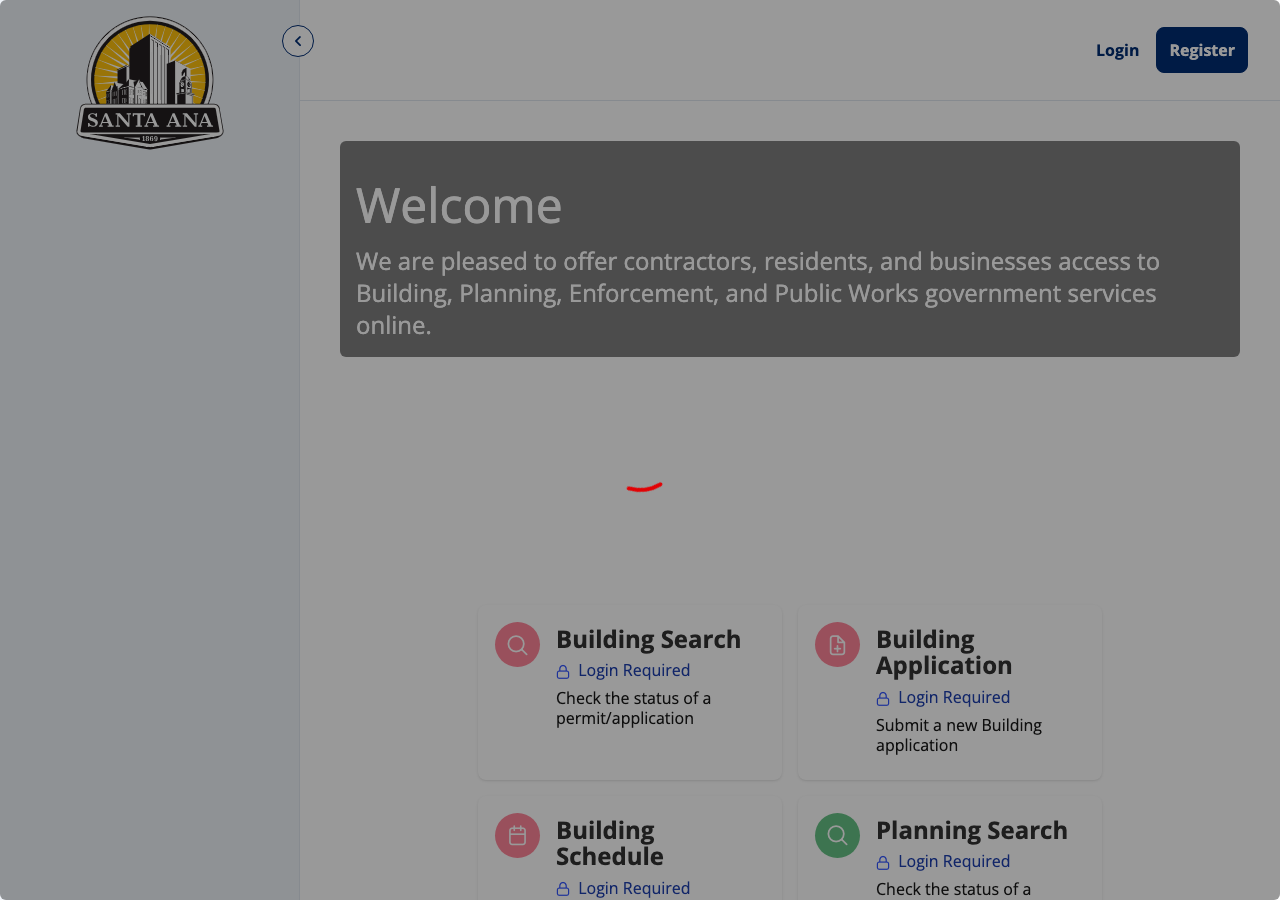
Their website



Average approval time — application to PTO
From the CPUC interconnection record. Bars show the average days taken each year; a year with no recorded projects is left blank rather than drawn as zero.