
City of South Lake Tahoe
El Dorado County
City of South Lake Tahoe is a city authority in the State of California, serving 21,330 residents. This page is the permit route for that jurisdiction: the fifteen steps from working out who has a say over an address through to permission to operate, the documents this authority publishes, and 62 answers taken from those documents and dated.
Permitting 5 steps · 28 questions
Whether a permit is needed — Yes Q3 Electrical and building permits — Combined Q4 Plan review — 45–60 business days average (general Building Division statement, not solar-specific) Q18 Where you file — eTRAKiT (slt.csqrcloud.com/community-etrakit) is the city's current portal for all building/planning permits and inspections Q20
- Permit required
- Yes95% source
- What it costs
- $271 minimum (2% of project valuation) per the current Building Division page; the Master Fee Schedule adopted 3/25/2025 states a $263 minimum for the same fee80% source
- Plan review turnaround
- 45–60 business days average (general Building Division statement, not solar-specific)65% source
- Key document
- ordinance cited by 6 open the document
-
Confirm who has a say over your address
A city address is usually permitted by the city, not the county — but not always, and some authorities keep building and hand electrical to someone else. Getting this wrong costs the whole submittal, because every requirement below belongs to whoever actually holds jurisdiction. Check the overlays in the same pass: an HOA, a historic district, a windstorm certification or a system-size cap can reshape the design, and all of them are cheaper to find now than after the array is laid out.
- Is this authority the AHJ for residential solar at this address? Yes 95% · department page
- What does this authority permit itself, and what does it delegate? Both (combined into one Building Permit); not delegated 85% · ordinance
- Is a permit required for a residential rooftop PV system? Yes 95% · department page
- Is there a separate electrical permit, or is it combined? Combined 75% · fee schedule
- Is a HOA or architectural approval required first? No formal HOA/architectural approval required by the city 70% · ordinance
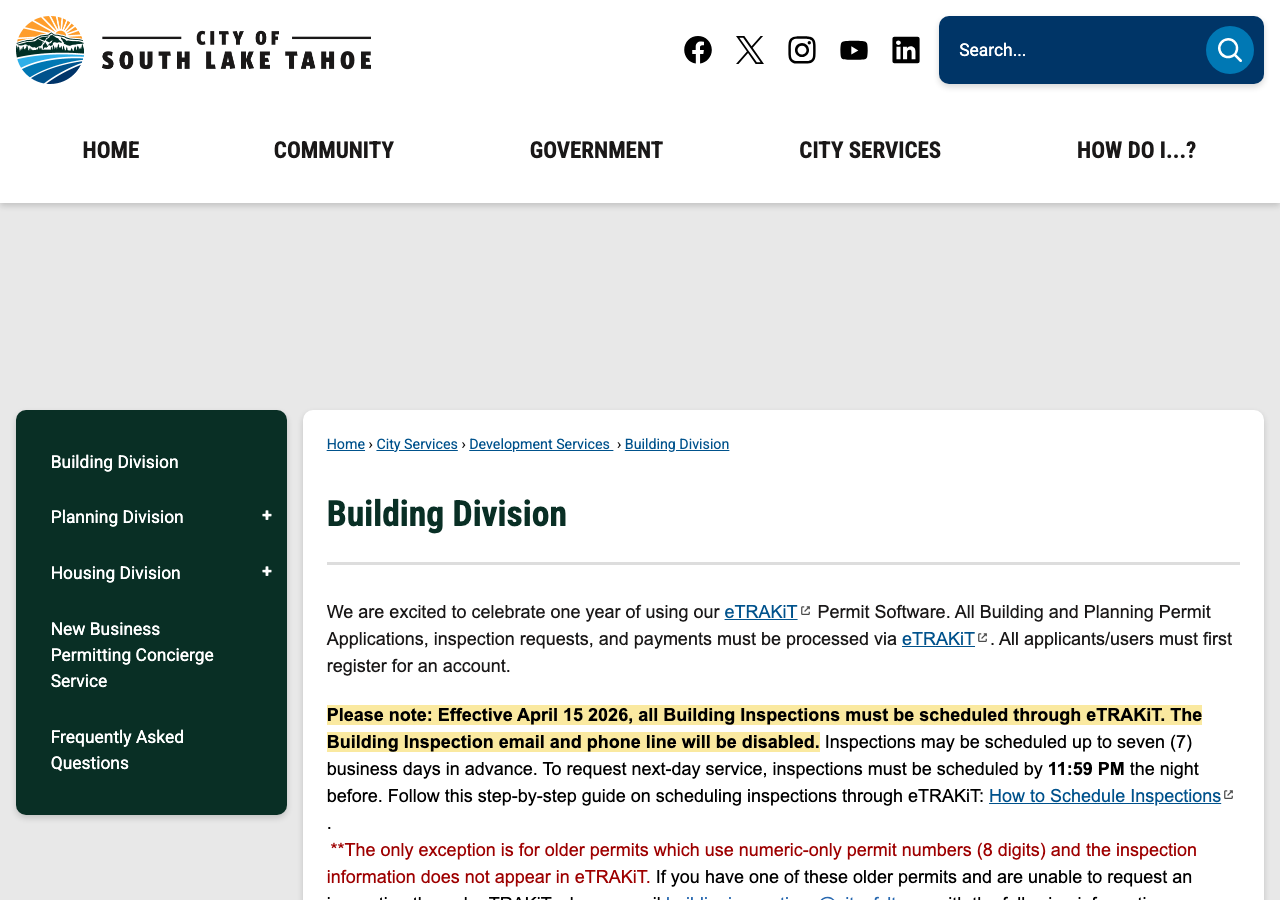
- Is a wind or windstorm certification required? No 70% · ordinance
- Is a Specific Use Permit or Council approval ever required? No standing CUP/Council-approval requirement for a system meeting the city's 'small residential rooftop solar energy system' definition (≤10 kW AC / 30 kW thermal, roof-mounted, single/duplex-family) 70% · ordinance
- Is there a system-size cap on residential generation? No hard cap — 10 kW AC (30 kW thermal) is the ministerial/expedited-review threshold, not an outright size limit; larger systems are still permitted through standard (non-expedited) review 75% · ordinance
-
Check who is allowed to apply
Several authorities require the electrical permit to be pulled by a licensed electrician, or require the contractor to be registered with them BEFORE applying. Registration is not same-day. This is second on the list rather than fourth because it is the step most likely to stop the job before the drawings matter.
- Who is allowed to pull the electrical permit? Either 60% · department page
- Must the contractor be registered with this authority before applying? Yes 70% · department page
- Is a homeowner permitted to self-install and self-permit? Partial — allowed on the standard eTRAKiT path, excluded from the automated SolarAPP+ path 60% · department page
-
Build the submittal package
Almost everywhere wants a site plan, a one-line or three-line electrical diagram, equipment cut sheets with listings, and a structural attachment detail. Build it against the published checklist rather than the last jurisdiction you worked in — the checklist is what the reviewer marks against.
- How many copies, and in what format? PDF format, uploaded through the eTRAKiT online portal 55% · department page
- Is a site plan required, and what must it show? Yes — must show location, height and setback of the proposed panels relative to existing structures and property lines 65% · checklist
- Is a one-line / three-line diagram required? Yes 65% · utility DG manual
- Are string and conductor calculations required? Yes (inferred) 50% · adopting regulation
- Is a structural PE stamp required, and at what threshold? No general size/kW threshold published; a CA-licensed structural engineer's stamp IS required whenever a project seeks the high-snow-load Energy Code PV exception 55% · department page
- Is an electrical PE stamp required, and at what threshold? No local requirement found for a standalone electrical PE stamp on standard residential PV 50% · ordinance
-
Apply and pay
Most authorities now take the whole application through a portal, and several states cap or constrain what a residential solar permit may cost. Check whether plan check is billed separately before you quote the job.
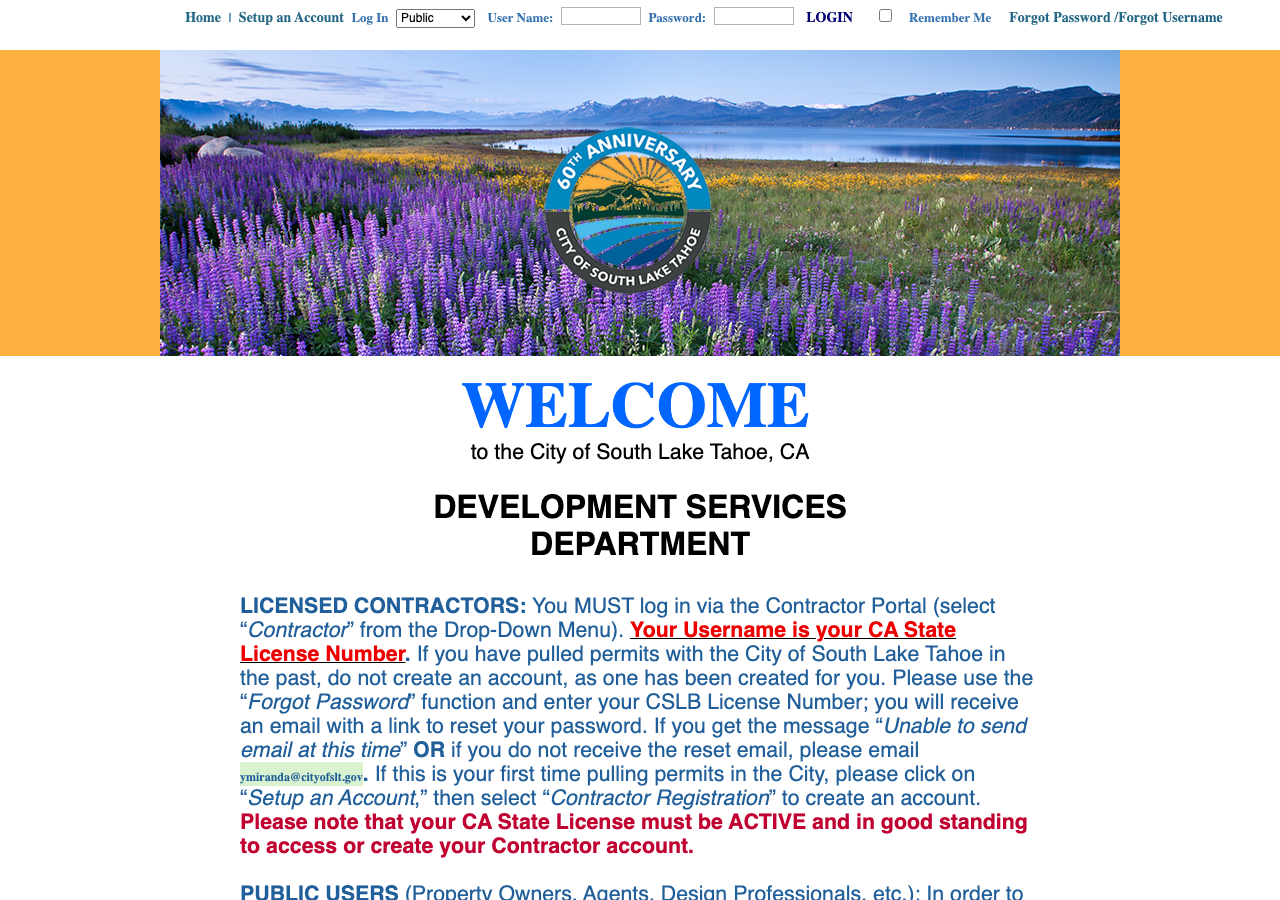
- Which permit portal does this authority use? eTRAKiT (slt.csqrcloud.com/community-etrakit) is the city's current portal for all building/planning permits and inspections 60% · portal landing page
- Can the whole application be completed online? Yes 85% · department page
- What does a residential solar permit cost? $271 minimum (2% of project valuation) per the current Building Division page; the Master Fee Schedule adopted 3/25/2025 states a $263 minimum for the same fee 80% · department page
- How is the fee calculated? Valuation 90% · fee schedule
- Is there a separate plan-check fee? No standalone plan-check fee for the base permit — a 25% plan-review deposit is folded into the Building Permit Fee, with hourly Building Plan Review ($128/hr) or a Building Plan Review Extension ($191) charged only if review exceeds the deposit 70% · fee schedule
-
Plan review — and start the utility in parallel
Interconnection is a separate process from the permit and usually the longer pole. Where the utility does not depend on the permit being issued, running both at once is the single biggest saving available on a residential job.
- What is the stated plan-review turnaround? 45–60 business days average (general Building Division statement, not solar-specific) 65% · department page
- Which utility handles interconnection here? Liberty Utilities (CalPeco Electric) LLC 95% · utility DG manual
- Where does the utility sit in the sequence? Parallel/mixed — Liberty application is filed before construction; city building/electrical permit and inspection happen during construction; final Permission to Operate is issued by Liberty only after the signed building permit and as-built are submitted 80% · utility DG manual
28 questions answered against City of South Lake Tahoe’s own published documents
Q1 Is this authority the AHJ for residential solar at this address? Core Jurisdiction & scope
Yes
Why the confidence is not higherCity's Building Division (Development Services) directly issues residential building and electrical permits for PV via eTRAKiT; confirmed on the current live Building Division page.
department page checked 2026-08-30 https://www.cityofslt.gov/2476/Building-Division
Q2 What does this authority permit itself, and what does it delegate? Core Jurisdiction & scope
Both (combined into one Building Permit); not delegated
Why the confidence is not higherRedline/strikeout of Ch.6.15 (adopted as Ord. 1202, 11/18/2025) requires TRPA and utility 'proof of approval' to be presented WITH the city application, but the city itself issues the building+electrical permit; no delegation to El Dorado County found.
ordinance checked 2026-08-30 https://legistarweb-production.s3.amazonaws.com/uploads/attachment/pdf/462594/Building_Code_Ordinance_Redline_Strikeout.pdf
Q3 Is a permit required for a residential rooftop PV system? Core Jurisdiction & scope
Yes
Why the confidence is not higherBuilding Division's SolarAPP+ page (archived Oct 2025, since removed from the live site) and the FAQ both describe a required permit and inspection process for residential rooftop PV.
department page checked 2026-08-30 https://web.archive.org/web/20251028205053/https://www.cityofslt.gov/2435/Apply-for-a-Residential-SolarAPP-Permit
Q4 Is there a separate electrical permit, or is it combined? Core Jurisdiction & scope
Combined
Why the confidence is not higherMaster Fee Schedule (adopted 3/25/2025) lists only one 'Building Permit Fee' (2% of valuation) for Development Services - Building; no standalone electrical-permit fee line item found.
fee schedule checked 2026-08-30 https://www.cityofslt.gov/DocumentCenter/View/23086/Master-Fee-Schedule-2025
Q5 Who is allowed to pull the electrical permit? Core Who may apply
Either
Why the confidence is not highereTRAKiT contractor accounts are integrated with the CSLB database (license verified at login) implying a licensed contractor (C-46/C-10) normally pulls electrical work; separately, SolarAPP+'s own national eligibility rules exclude homeowner-installed systems from the automated route, implying homeowners must use the standard eTRAKiT path if self-installing.
department page checked 2026-08-30 https://www.cityofslt.gov/1114/Frequently-Asked-Questions
Q6 Must the contractor be registered with this authority before applying? Core Who may apply
Yes
Why the confidence is not higherContractors must have a CSLB-license-verified Contractor account in eTRAKiT before applying, and any contractor performing work in city limits must separately hold a City of South Lake Tahoe business license/tax certificate (a general citywide rule, not solar-specific).
department page checked 2026-08-30 https://www.cityofslt.gov/1114/Frequently-Asked-Questions
Q7 Is a homeowner permitted to self-install and self-permit? Who may apply
Partial — allowed on the standard eTRAKiT path, excluded from the automated SolarAPP+ path
Why the confidence is not higherSolarAPP+'s published national eligibility criteria explicitly list 'Systems installed by Homeowners' as NOT eligible for the automated review; the standard (non-SolarAPP+) eTRAKiT building-permit path does not exclude CA owner-builders.
department page checked 2026-08-30 https://help.gosolarapp.org/article/43-what-types-of-systems-are-not-eligible-for-solarapp-review
Q8 What documents make up a complete submittal? Core Submittal package
Nothing published by this authority.
Where we lookedCity's 'Solar Checklist Fillable Form' (DocumentCenter/View/15701) returns a genuine 404 (CivicEngage 'Custom404' page, confirmed via direct curl and response headers, not a cache artifact); no replacement checklist found on the current Building Division (2476) page or live FAQ (1114); eTRAKiT's own document list is login-gated.
https://www.cityofslt.gov/DocumentCenter/View/15701/Solar-Checklist-Fillable-Form-
Q9 How many copies, and in what format? Submittal package
PDF format, uploaded through the eTRAKiT online portal
Why the confidence is not higherBuilding Division page states all building/planning applications are processed via eTRAKiT; a comparable checklist for another permit type (Manufactured Housing) on the same portal specifies PDF uploads as the standard format, but no solar-specific copies/format statement was found.
department page checked 2026-08-30 https://www.cityofslt.gov/2476/Building-Division
Q10 Is a site plan required, and what must it show? Core Submittal package
Yes — must show location, height and setback of the proposed panels relative to existing structures and property lines
Why the confidence is not higherTRPA's Qualified-Exempt declaration for 'Installation of Solar Panels' (which the city requires proof of before issuing its own permit) requires site materials showing 'All existing development and improvements and the location of proposed solar panels' and 'Allowed and proposed height calculations.'
checklist checked 2026-08-30 https://www.trpa.gov/wp-content/uploads/documents/Qualified_Exempt_Activity_Application.pdf
Q11 Is a one-line / three-line diagram required? Core Drawings & calculations
Yes
Why the confidence is not higherLiberty Utilities' residential net-metering application (which must be filed alongside/around the city permit) lists a 'one-line electrical drawing' as a required document; standard practice for the adopted 2023 NEC (Art. 690/705) also expects one.
utility DG manual checked 2026-08-30 https://california.libertyutilities.com/south-lake-tahoe/residential/evolve/net-metering.html
Q12 Are string and conductor calculations required? Drawings & calculations
Yes (inferred)
Why the confidence is not higherNot stated in a South Lake Tahoe-specific document; inferred from the adopted 2023 NEC (via 2025 CEC) Article 690/705 conductor/overcurrent-protection requirements that any plan-checked PV submittal must demonstrate.
adopting regulation checked 2026-08-30 https://cityofslt.gov/DocumentCenter/View/24323/2025-Code-Criteria
Q13 Is a structural PE stamp required, and at what threshold? Core Engineering & stamps
No general size/kW threshold published; a CA-licensed structural engineer's stamp IS required whenever a project seeks the high-snow-load Energy Code PV exception
Why the confidence is not higherThe joint regional 'Solar Photovoltaic Exceptions' handout (co-branded with City of South Lake Tahoe Building Department, rev. 3/8/2021) states a 'registered design professional shall provide supporting documentation' for the high-snow-load exception. The city's dedicated 'Solar-Roof-Mount' structural handout (DocumentCenter 18480), which likely stated a general threshold for all PV racking, is now a genuine 404.
department page checked 2026-08-30 https://www.cityofslt.gov/DocumentCenter/View/15389/Solar-Photovoltaic-Exceptions-PDF
Q14 Is an electrical PE stamp required, and at what threshold? Engineering & stamps
No local requirement found for a standalone electrical PE stamp on standard residential PV
Why the confidence is not higherFull-text review of the 2025 local building-code amendments (Ord. 1202 redline) found no electrical-PE-stamp provision for PV; positive control 'electrical' returns 39 hits in the same document, confirming the search was not broken.
ordinance checked 2026-08-30 https://legistarweb-production.s3.amazonaws.com/uploads/attachment/pdf/462594/Building_Code_Ordinance_Redline_Strikeout.pdf
Q15 What does a residential solar permit cost? Core Fees
$271 minimum (2% of project valuation) per the current Building Division page; the Master Fee Schedule adopted 3/25/2025 states a $263 minimum for the same fee
Why the confidence is not higherLive Building Division page (checked 30 Aug 2026) states '2% of the project valuation (minimum of $271.00)'; the dated Master Fee Schedule PDF adopted 3/25/2025 lists '2% of valuation - $263 minimum' for the identical Building Permit Fee line — the city appears to have increased the minimum since adoption without a newer fee-schedule PDF being published.
department page checked 2026-08-30 https://www.cityofslt.gov/2476/Building-Division
Q16 How is the fee calculated? Core Fees
Valuation
Why the confidence is not higherMaster Fee Schedule: 'Building Permit Fee ... % of valuation ... 2% of valuation - $263 minimum,' based on ICC square-foot valuation tables or submitted contract value.
fee schedule checked 2026-08-30 https://www.cityofslt.gov/DocumentCenter/View/23086/Master-Fee-Schedule-2025
Q17 Is there a separate plan-check fee? Fees
No standalone plan-check fee for the base permit — a 25% plan-review deposit is folded into the Building Permit Fee, with hourly Building Plan Review ($128/hr) or a Building Plan Review Extension ($191) charged only if review exceeds the deposit
Why the confidence is not higherMaster Fee Schedule: 'Building Permit Fee (25% plan review deposit due with application)' and separate hourly 'Building Plan Review' and 'Building Plan Review Extension' line items.
fee schedule checked 2026-08-30 https://www.cityofslt.gov/DocumentCenter/View/23086/Master-Fee-Schedule-2025
Q18 What is the stated plan-review turnaround? Core Timeline & validity
45–60 business days average (general Building Division statement, not solar-specific)
Why the confidence is not higherLive FAQ (checked 30 Aug 2026): 'How long does a Plan Review of a project take to be completed? ... We average 45 - 60 days in review.' This is a general BD statement; a fully SolarAPP+/automated-eligible project would review far faster, but the city's SolarAPP+ program page is currently unreachable (404) so its current review time could not be confirmed.
department page checked 2026-08-30 https://www.cityofslt.gov/1114/Frequently-Asked-Questions
Q19 How long is an issued permit valid before it expires? Timeline & validity
Nothing published by this authority.
Where we lookedChecked the Building Division page (2476), the live FAQ (1114), and the Master Fee Schedule (adopted 3/25/2025) for a stated permit validity/expiration period; none of the three states one.
Q20 Which permit portal does this authority use? Core Portal & process
eTRAKiT (slt.csqrcloud.com/community-etrakit) is the city's current portal for all building/planning permits and inspections
Why the confidence is not higherConfirmed live on the Building Division page. NOTE: the city's dedicated 'Apply for a Residential SolarAPP+ Permit' page (cityofslt.gov/2435) was live and 200 as of a 28 Oct 2025 Wayback capture but is a genuine 404 on the live site as of 30 Aug 2026 (soft-404 'Custom404' page). A search-engine-cached snippet of an eTRAKiT application-confirmation page references directing SB 379-eligible applicants to Symbium.com for an 'EXPRESS RESIDENTIAL ROOF SOLAR Permit,' but that page is login-gated and this could not be independently re-verified by direct fetch — treat the Symbium detail as unconfirmed.
portal landing page checked 2026-08-30 https://slt.csqrcloud.com/community-etrakit/
Q21 Can the whole application be completed online? Core Portal & process
Yes
Why the confidence is not higherBuilding Division page: 'All Building and Planning Permit Applications, inspection requests, and payments must be processed via eTRAKiT.'
department page checked 2026-08-30 https://www.cityofslt.gov/2476/Building-Division
Q22 Which utility handles interconnection here? Core Utility interconnection
Liberty Utilities (CalPeco Electric) LLC
Why the confidence is not higherLiberty's own CPUC Rule 21 tariff is filed under the heading 'LIBERTY UTILITIES (CALPECO ELECTRIC) LLC, SOUTH LAKE TAHOE, CALIFORNIA'; the utility's own net-metering page for South Lake Tahoe confirms this. PG&E does not serve this territory. (Not sourced from a ZIP-code lookup tool.)
utility DG manual checked 2026-08-30 https://california.libertyutilities.com/uploads/Rule_21.pdf
Q23 Where does the utility sit in the sequence? Core Utility interconnection
Parallel/mixed — Liberty application is filed before construction; city building/electrical permit and inspection happen during construction; final Permission to Operate is issued by Liberty only after the signed building permit and as-built are submitted
Why the confidence is not higherLiberty's residential net-metering page: Step 1 application 'prior to construction'; Step 2 the building department inspects and approves work; Step 3 customer submits 'Interconnection Request with as-built details and signed building permit' before Liberty issues Permission to Operate.
utility DG manual checked 2026-08-30 https://california.libertyutilities.com/south-lake-tahoe/residential/evolve/net-metering.html
Q24 Is a HOA or architectural approval required first? Overlays & special cases
No formal HOA/architectural approval required by the city
Why the confidence is not higherThe city's own 'Expedited Permit Process for...Solar' ordinance defines 'reasonable restrictions' by reference to Civil Code §714 (the state anti-solar-restriction statute), which limits an HOA's ability to condition or block a qualifying system; no separate city requirement for HOA sign-off was found.
ordinance checked 2026-08-30 https://legistarweb-production.s3.amazonaws.com/uploads/attachment/pdf/462594/Building_Code_Ordinance_Redline_Strikeout.pdf
Q25 Is there a historic-district review? Overlays & special cases
Nothing published by this authority.
Where we lookedSearched Ch. 6.15 §6.15.030 Design Review (which lists the specific triggers requiring design review) for a historic-district trigger tied to rooftop PV — found none; did not exhaustively search the full Title 6 zoning/historic-preservation chapters, which were outside the redline building-code ordinance obtained for this run.
Q26 Is a wind or windstorm certification required? Overlays & special cases
No
Why the confidence is not higherCalifornia does not operate a windstorm-certification program comparable to Gulf/Atlantic coastal states (e.g., TX/FL); wind loads here are addressed via the ASCE-7-based design wind speed (Risk Category 1: 110 mph up to Category 3/4: 130 mph) built into the adopted CBC amendments, not a separate certification.
ordinance checked 2026-08-30 https://legistarweb-production.s3.amazonaws.com/uploads/attachment/pdf/462594/Building_Code_Ordinance_Redline_Strikeout.pdf
Q27 Is a Specific Use Permit or Council approval ever required? Overlays & special cases
No standing CUP/Council-approval requirement for a system meeting the city's 'small residential rooftop solar energy system' definition (≤10 kW AC / 30 kW thermal, roof-mounted, single/duplex-family)
Why the confidence is not higherOrd. 1202's Expedited Permit Process section defines this class of system for ministerial (non-discretionary) review; systems outside that definition (e.g., large ground-mount) would fall to standard, potentially discretionary, review, but no explicit CUP trigger for oversized residential PV was found.
ordinance checked 2026-08-30 https://legistarweb-production.s3.amazonaws.com/uploads/attachment/pdf/462594/Building_Code_Ordinance_Redline_Strikeout.pdf
Q28 Is there a system-size cap on residential generation? Overlays & special cases
No hard cap — 10 kW AC (30 kW thermal) is the ministerial/expedited-review threshold, not an outright size limit; larger systems are still permitted through standard (non-expedited) review
Why the confidence is not higherOrd. 1202 defines 'Small residential rooftop solar energy system' as ≤10kW AC nameplate/30kW thermal for purposes of the mandatory expedited process; nothing in the ordinance bars larger systems from standard permitting.
ordinance checked 2026-08-30 https://legistarweb-production.s3.amazonaws.com/uploads/attachment/pdf/462594/Building_Code_Ordinance_Redline_Strikeout.pdf
Lines marked with a percentage were read off this authority’s own published documents. Unmarked guidance is general good practice, not this jurisdiction’s rule — always confirm against the authority before you submit.
Install 5 steps · 20 questions
-
Build to the code editions actually in force here
The NEC edition a jurisdiction enforces is often a cycle behind the newest one published, and local amendments sit on top of it. Rapid shutdown, conductor sizing and labelling all change between editions, so the edition in force is the first thing to establish, not the last.
- Which NEC edition is in force? 2023 NEC (adopted as the 2025 California Electrical Code, Title 24 Part 3) 95% · adopting regulation
- Which building code edition is in force? 2025 California Building Code (2024 IBC) and 2025 California Residential Code (2024 IRC) 95% · adopting regulation
- Which fire code edition is in force? 2025 California Fire Code (2024 IFC) 95% · adopting regulation
- Are there local amendments to any of the above? Yes 90% · ordinance
- What is the installation judged against? The locally-amended 2025 CBC/CRC/CEC(2023 NEC)/CFC adopted by Ord. 1202, including the Division 2 structural/snow-load amendments in Ch. 6.15 85% · adopting regulation
-
Fire access, setbacks and pathways
Ridge setbacks and roof access pathways are fire-service requirements and they constrain the array layout. They are the most common cause of a redesign after the fire department comments on a plan set.
- What ridge setback and access pathways are required? No local amendment to fire-code roof-access/pathway or ridge-setback rules specific to PV; the default 2025 CFC (2024 IFC)/CRC provisions apply un-amended 60% · ordinance
-
Rapid shutdown
Which rapid-shutdown rule applies follows directly from the NEC edition in force, and the initiation device has to be at a location the fire service can reach and identify. This is inspected, and it is labelled.
- Is rapid shutdown required, and to which NEC edition? Yes, per NEC 2023 Article 690.12 (adopted as the 2025 CEC); no local amendment removing or altering it was found 80% · adopting regulation
-
Labels and placards
The NEC sets a baseline for permanent markings at the service equipment and the disconnecting means. On top of that, an authority may specify its own wording, and the utility may specify more again. Where any of them writes its own text, a generic off-the-shelf label set will not pass — this is the detail most often fixed on a return visit.
- Which placards does this authority require at the service equipment? No placards beyond the default 2023-NEC-mandated markings (690.13 disconnect, 690.56 identification, 705.10 multiple-source directory where applicable) 55% · ordinance
- Does the authority specify placard wording of its own? No 65% · ordinance
- Does it specify letter height, colour or material? No local letter-height/colour/material spec found; default NEC 110.21(B) marking rules apply 60% · ordinance
- Does the UTILITY specify placards beyond the AHJ's? Liberty Utilities (Rule 21) requires a manual, visible-break disconnect that is 'accessible to Liberty personnel' and 'capable of being locked in the open position' (§D.1.i), and UL1741 field-adjustable-trip-point marking (§39.5) on the inverter; no separate physical site placard beyond these was found 70% · utility DG manual
-
Disconnect, storage and listed equipment
Where the AC disconnect must sit relative to the meter is usually the utility's rule, not the building department's. Battery storage frequently carries its own permit, its own inspection and its own fire conditions.
- Must equipment be on a specific approved list? Yes 85% · ordinance
- Are batteries permitted, and under what conditions? Yes, permitted — no city-specific amendment found restricting batteries/ESS beyond the state-adopted 2025 CFC (2024 IFC) Ch.12 ESS provisions 60% · checklist
- Is a ground mount treated as a structure? Yes, treated as a structure requiring standard (non-ministerial) review 65% · ordinance
- Is a specific mounting system or attachment spacing required? No mounting-hardware brand/spacing spec, but a mandatory 150 PSF ground snow load and a 10-ft 'snow shed impact area' setback apply to roof surfaces and PV panels 'susceptible to rooftop avalanche risk' (away from entries/exits, parking, driveways, gas/electric meters), waivable only via an engineered snow-restraint system per a licensed engineer 90% · ordinance
20 questions answered against City of South Lake Tahoe’s own published documents
Q29 Which NEC edition is in force? Core Code editions in force
2023 NEC (adopted as the 2025 California Electrical Code, Title 24 Part 3)
Why the confidence is not higher2025-Code-Criteria document: 'Electrical Code Adopted. The 2025 Edition of the California Electrical Code ... incorporating the 2023 Edition of the National Electrical Code ... is hereby adopted by reference.' Adopted by Ord. 1202, 11/18/2025.
adopting regulation checked 2026-08-30 https://cityofslt.gov/DocumentCenter/View/24323/2025-Code-Criteria
Q30 Which building code edition is in force? Core Code editions in force
2025 California Building Code (2024 IBC) and 2025 California Residential Code (2024 IRC)
Why the confidence is not higher2025-Code-Criteria document, Sections B and C.
adopting regulation checked 2026-08-30 https://cityofslt.gov/DocumentCenter/View/24323/2025-Code-Criteria
Q31 Which fire code edition is in force? Code editions in force
2025 California Fire Code (2024 IFC)
Why the confidence is not higher2025-Code-Criteria document, Section I.
adopting regulation checked 2026-08-30 https://cityofslt.gov/DocumentCenter/View/24323/2025-Code-Criteria
Q32 Are there local amendments to any of the above? Core Code editions in force
Yes
Why the confidence is not higherOrd. 1202 redline/strikeout contains extensive local amendments: 150 psf ground snow load, wind speed by risk category, 18-inch frost depth, 10-ft snow-shed impact-area setback for PV, Very-High Fire Hazard Severity Zone (WUI) designation, and the expedited PV/EV permit process, among others.
ordinance checked 2026-08-30 https://legistarweb-production.s3.amazonaws.com/uploads/attachment/pdf/462594/Building_Code_Ordinance_Redline_Strikeout.pdf
Q33 What is the installation judged against? Core Electrical
The locally-amended 2025 CBC/CRC/CEC(2023 NEC)/CFC adopted by Ord. 1202, including the Division 2 structural/snow-load amendments in Ch. 6.15
Why the confidence is not higherCombination of the 2025-Code-Criteria adoption document and the Ord. 1202 redline/strikeout amendments.
adopting regulation checked 2026-08-30 https://cityofslt.gov/DocumentCenter/View/24323/2025-Code-Criteria
Q34 Is there a local rule on service upgrades or busbar sizing? Electrical
Nothing published by this authority.
Where we lookedFull-text search of the Ord. 1202 redline/strikeout for 'busbar', 'service upgrade', '120%', and 'main breaker' returned no local amendment; positive control 'electrical' returns 39 hits in the same document (search not broken).
Q35 Is a specific mounting system or attachment spacing required? Structural & mounting
No mounting-hardware brand/spacing spec, but a mandatory 150 PSF ground snow load and a 10-ft 'snow shed impact area' setback apply to roof surfaces and PV panels 'susceptible to rooftop avalanche risk' (away from entries/exits, parking, driveways, gas/electric meters), waivable only via an engineered snow-restraint system per a licensed engineer
Why the confidence is not higherOrd. 1202 redline, Section O (Snowshed Impact Areas, CBC §1507.4.3 / CRC §R905.10.5) and Section R (Snow Loads, 150 PSF).
ordinance checked 2026-08-30 https://legistarweb-production.s3.amazonaws.com/uploads/attachment/pdf/462594/Building_Code_Ordinance_Redline_Strikeout.pdf
Q36 What ridge setback and access pathways are required? Core Fire pathways & setbacks
No local amendment to fire-code roof-access/pathway or ridge-setback rules specific to PV; the default 2025 CFC (2024 IFC)/CRC provisions apply un-amended
Why the confidence is not higherFull-text review of Ord. 1202's Fire Code amendments found only an unrelated Fire Access Grade amendment (driveway gradient, CFC §503.2.7); no PV-specific ridge-setback/pathway amendment was found alongside the extensive snow-load amendments in the same document, which is a genuine absence rather than an unsearched gap.
ordinance checked 2026-08-30 https://legistarweb-production.s3.amazonaws.com/uploads/attachment/pdf/462594/Building_Code_Ordinance_Redline_Strikeout.pdf
Q37 Is rapid shutdown required, and to which NEC edition? Core Rapid shutdown
Yes, per NEC 2023 Article 690.12 (adopted as the 2025 CEC); no local amendment removing or altering it was found
Why the confidence is not higher2025-Code-Criteria adopts the 2023 NEC in full including Article 690's rapid-shutdown requirements; the Ord. 1202 local-amendments list does not touch Article 690.
adopting regulation checked 2026-08-30 https://cityofslt.gov/DocumentCenter/View/24323/2025-Code-Criteria
Q38 Which placards does this authority require at the service equipment? Core Labels Signage & labelling
No placards beyond the default 2023-NEC-mandated markings (690.13 disconnect, 690.56 identification, 705.10 multiple-source directory where applicable)
Why the confidence is not higherNo solar-specific placard content found in the Ord. 1202 local amendments despite that document containing extensive other PV-specific provisions (snow shed, expedited permitting) — a proven absence, not an unsearched gap.
ordinance checked 2026-08-30 https://legistarweb-production.s3.amazonaws.com/uploads/attachment/pdf/462594/Building_Code_Ordinance_Redline_Strikeout.pdf
Q39 Does the authority specify placard wording of its own? Core Labels Signage & labelling
No
Why the confidence is not higherOrd. 1202's local amendments do not specify placard wording for PV; default NEC wording applies.
ordinance checked 2026-08-30 https://legistarweb-production.s3.amazonaws.com/uploads/attachment/pdf/462594/Building_Code_Ordinance_Redline_Strikeout.pdf
Q40 Does it specify letter height, colour or material? Core Labels Signage & labelling
No local letter-height/colour/material spec found; default NEC 110.21(B) marking rules apply
Why the confidence is not higherSame full-text review of Ord. 1202 — no local marking specification found for PV placards specifically (the ordinance does specify letter heights for building-address numbers, but not for PV/electrical placards).
ordinance checked 2026-08-30 https://legistarweb-production.s3.amazonaws.com/uploads/attachment/pdf/462594/Building_Code_Ordinance_Redline_Strikeout.pdf
Q41 Is a site plan / facility map placard required, and what must it show? Core Labels Signage & labelling
Nothing published by this authority.
Where we lookedSearched the 2025-Code-Criteria adoption sheet and the Ord. 1202 local-amendments ordinance for a facility-map/site-plan placard (NEC 705.10) requirement; not found in either. The city's dedicated solar handouts that might address this (DocumentCenter 15701, 18480) are both genuine 404s.
https://cityofslt.gov/DocumentCenter/View/24323/2025-Code-Criteria
Q42 Does the UTILITY specify placards beyond the AHJ's? Core Labels Signage & labelling
Liberty Utilities (Rule 21) requires a manual, visible-break disconnect that is 'accessible to Liberty personnel' and 'capable of being locked in the open position' (§D.1.i), and UL1741 field-adjustable-trip-point marking (§39.5) on the inverter; no separate physical site placard beyond these was found
Why the confidence is not higherLiberty Utilities Rule 21 tariff (CPUC Sheet Nos. 278, 309-310), Section D.1.i and Table 1/2/3 of the UL1741 testing appendix.
utility DG manual checked 2026-08-30 https://california.libertyutilities.com/uploads/Rule_21.pdf
Q43 Where must the labels be placed? Core Labels Signage & labelling
Nothing published by this authority.
Where we lookedChecked the Ord. 1202 local amendments and the Liberty Rule 21 tariff for a label-placement specification beyond default NEC location rules (at the service/PV disconnect); neither document addresses placement.
Q44 Must equipment be on a specific approved list? Equipment listing
Yes
Why the confidence is not higherOrd. 1202: 'All solar energy systems and electric vehicle charging stations shall be certified by an accredited listing agency.'
ordinance checked 2026-08-30 https://legistarweb-production.s3.amazonaws.com/uploads/attachment/pdf/462594/Building_Code_Ordinance_Redline_Strikeout.pdf
Q45 Are batteries permitted, and under what conditions? Core Battery / ESS
Yes, permitted — no city-specific amendment found restricting batteries/ESS beyond the state-adopted 2025 CFC (2024 IFC) Ch.12 ESS provisions
Why the confidence is not higherFull-text search of Ord. 1202 for 'batter', 'energy storage', 'ESS' returned zero hits (genuine absence, positive control passed elsewhere in the same document). Separately, when routed through the SolarAPP+ national platform the city had adopted, that platform's own eligibility rule capped an individual battery at ≤20 kWh and aggregate ESS at ≤80 kWh.
checklist checked 2026-08-30 https://help.gosolarapp.org/article/43-what-types-of-systems-are-not-eligible-for-solarapp-review
Q46 Is there a separate ESS permit or inspection? Battery / ESS
Nothing published by this authority.
Where we lookedChecked the Master Fee Schedule (adopted 3/25/2025) for a separate ESS/battery permit or inspection fee line; none found distinct from the general Building Permit Fee and Building Inspection/Reinspection Fee.
https://www.cityofslt.gov/DocumentCenter/View/23086/Master-Fee-Schedule-2025
Q47 Is a ground mount treated as a structure? Core Ground mount
Yes, treated as a structure requiring standard (non-ministerial) review
Why the confidence is not higherBoth the city's ministerial 'small residential rooftop solar energy system' definition (Ord. 1202) and TRPA's Qualified-Exempt criteria for solar are explicitly limited to roof-mounted systems (or over an existing parking lot); a ground-mount array falls outside both fast-track definitions and would need a standard structure-type building permit plus full TRPA review.
ordinance checked 2026-08-30 https://legistarweb-production.s3.amazonaws.com/uploads/attachment/pdf/462594/Building_Code_Ordinance_Redline_Strikeout.pdf
Q48 Where must the AC disconnect be, relative to the meter? Core Utility equipment
Nothing published by this authority.
Where we lookedLiberty Utilities Rule 21 §D.1.i only requires the manual disconnect be accessible to Liberty personnel and lockable in the open position — it states no distance/location requirement relative to the meter, and the two South Lake Tahoe-specific handouts that might address this (DocumentCenter 18480, 17796) are both genuine 404s.
Lines marked with a percentage were read off this authority’s own published documents. Unmarked guidance is general good practice, not this jurisdiction’s rule — always confirm against the authority before you submit.
Inspection 5 steps · 14 questions
-
Book it
Booking is a portal, a phone call or an email depending on the authority, and the notice required is rarely zero. Book before the work is finished rather than after — the lead time, not the work, is usually what sets the date.
- How is an inspection booked? Portal — eTRAKiT only 90% · department page
- How much notice is required? Up to 7 business days in advance; next-day service must be requested by 11:59 PM the night before 90% · department page
- Are same-day or AM/PM windows offered? No AM/PM window offered; inspections occur Mon-Fri 9:00am-3:30pm with no narrower slot stated, and next-day (not same-day) is the fastest option 75% · department page
-
Know who turns up
Some authorities inspect their own solar work; some delegate it, and a few do not inspect the PV equipment itself at all. Who is coming determines what they will look at.
- Does this AHJ perform its own final solar inspection? Yes 85% · department page
- If delegated, to whom? N/A — not delegated; the city performs its own inspection 75% · department page
-
Work the stages in order
A rough-in or mid-roof inspection, where one is required, has to happen before the work it covers is closed up. Missing a stage means opening something back up, and it is the most expensive kind of correction.
- Which inspections are required, and in what order? Historically (SolarAPP+ era) a single Final Inspection was the only inspection required for an eligible residential retrofit PV system; a standard (non-SolarAPP+) PV building permit would follow the ordinary sequence (rough electrical if applicable, then final) 60% · department page
- Is a rough-in or mid-roof inspection required? No — a straightforward roof-mount retrofit PV system required only the single Final Inspection under the (possibly discontinued) SolarAPP+ program 60% · department page
-
Have the paperwork on site
The approved plan set, the permit, and the equipment listings should be on site and reachable. Inspectors routinely verify that installed equipment matches what was approved, and that the labels are the ones the plan set promised.
- Is there a published inspection checklist? Yes 60% · department page
- What must be on site at inspection? Approved/downloaded plans and the issued 8-digit permit number must be available on site; the installer must be able to demonstrate proper torquing and explain the system to the inspector 65% · department page
- Does the inspector verify labels and listings? Yes 65% · department page / practice
-
Sign-off, and permission to operate
Passing gives you a final or an equivalent sign-off. That is not the same as permission to operate: PTO comes from the utility, and who tells the utility the inspection passed varies. A system left switched off for weeks is usually waiting on this handover.
- What is issued on pass? Final (permit closed/finaled on passing inspection; no separate Certificate of Occupancy issued for a PV retrofit on an existing single-family dwelling) 70% · department page
- Who notifies the utility for PTO? Installer/Customer 80% · utility DG manual
- Is there a re-inspection fee? $177 85% · fee schedule
- How are corrections issued and cleared? Corrections are posted as a 'PCX_Corrections' PDF attached to the permit in eTRAKiT; the applicant responds and resubmits via the 'My Submittals Awaiting Response' dashboard section, after which a re-inspection is scheduled through the same portal 80% · department page
14 questions answered against City of South Lake Tahoe’s own published documents
Q49 How is an inspection booked? Core Booking & scheduling
Portal — eTRAKiT only
Why the confidence is not higherBuilding Division page: 'Effective April 15 2026, all Building Inspections must be scheduled through eTRAKiT. The Building Inspection email and phone line will be disabled.'
department page checked 2026-08-30 https://www.cityofslt.gov/2476/Building-Division
Q50 How much notice is required? Core Booking & scheduling
Up to 7 business days in advance; next-day service must be requested by 11:59 PM the night before
Why the confidence is not higherBuilding Division page, verbatim: 'Inspections may be scheduled up to seven (7) business days in advance. To request next-day service, inspections must be scheduled by 11:59 PM the night before.'
department page checked 2026-08-30 https://www.cityofslt.gov/2476/Building-Division
Q51 Are same-day or AM/PM windows offered? Booking & scheduling
No AM/PM window offered; inspections occur Mon-Fri 9:00am-3:30pm with no narrower slot stated, and next-day (not same-day) is the fastest option
Why the confidence is not higherLive FAQ: 'Inspections are conducted Monday - Friday, between 9:00 am - 3:30 pm.' Combined with the Building Division page's 'next-day' (not same-day) cutoff of 11:59 PM the prior night.
department page checked 2026-08-30 https://www.cityofslt.gov/1114/Frequently-Asked-Questions
Q52 Does this AHJ perform its own final solar inspection? Core Who inspects
Yes
Why the confidence is not higherSolarAPP+-era Building Division guidance: 'The City of South Lake Tahoe requires one inspection (considered a Final Inspection)' performed by city staff; the current Building Division page likewise lists city Building Inspectors (not a third party) as inspection contacts.
department page checked 2026-08-30 https://web.archive.org/web/20251028205053/https://www.cityofslt.gov/2435/Apply-for-a-Residential-SolarAPP-Permit
Q53 If delegated, to whom? Core Who inspects
N/A — not delegated; the city performs its own inspection
Why the confidence is not higherSee q52 — no delegation to a third party or to El Dorado County was found for residential solar final inspection.
department page checked 2026-08-30 https://www.cityofslt.gov/2476/Building-Division
Q54 Which inspections are required, and in what order? Core Stages & sequence
Historically (SolarAPP+ era) a single Final Inspection was the only inspection required for an eligible residential retrofit PV system; a standard (non-SolarAPP+) PV building permit would follow the ordinary sequence (rough electrical if applicable, then final)
Why the confidence is not higherSolarAPP+-era Building Division text (archived Oct 2025): 'The City of South Lake Tahoe requires one inspection (considered a Final Inspection).' Could not confirm this is still current practice given the SolarAPP+ page's removal from the live site.
department page checked 2026-08-30 https://web.archive.org/web/20251028205053/https://www.cityofslt.gov/2435/Apply-for-a-Residential-SolarAPP-Permit
Q55 Is a rough-in or mid-roof inspection required? Stages & sequence
No — a straightforward roof-mount retrofit PV system required only the single Final Inspection under the (possibly discontinued) SolarAPP+ program
Why the confidence is not higherSame SolarAPP+-era source as q54.
department page checked 2026-08-30 https://web.archive.org/web/20251028205053/https://www.cityofslt.gov/2435/Apply-for-a-Residential-SolarAPP-Permit
Q56 Does the inspector verify labels and listings? Core What is checked
Yes
Why the confidence is not higherSolarAPP+'s national inspection checklist (which the city adopted) includes a 'Signs, placards, directories, and markings' pass/fail category, and the SolarAPP+ knowledge base states missing labels are flagged as a correctable minor issue requiring re-inspection.
department page / practice checked 2026-08-30 https://help.gosolarapp.org/article/89-whats-on-the-solarapp-inspection-checklist
Q57 Is there a published inspection checklist? Core What is checked
Yes
Why the confidence is not higherSolarAPP+ publishes a standardized national inspection checklist; the city's own SolarAPP+ program page (archived) confirms the city had adopted the platform, which comes bundled with this checklist. Could not confirm continued availability now that the city's SolarAPP+ page 404s.
department page checked 2026-08-30 https://help.gosolarapp.org/article/89-whats-on-the-solarapp-inspection-checklist
Q58 What must be on site at inspection? Core Documents on site
Approved/downloaded plans and the issued 8-digit permit number must be available on site; the installer must be able to demonstrate proper torquing and explain the system to the inspector
Why the confidence is not higherSolarAPP+-era Building Division text: 'permit holders must be prepared to provide access, prove torquing at request of inspector, and be of the competency to explain integral parts of the system to prove conformance...'
department page checked 2026-08-30 https://web.archive.org/web/20251028205053/https://www.cityofslt.gov/2435/Apply-for-a-Residential-SolarAPP-Permit
Q59 Is there a re-inspection fee? Corrections & re-inspection
$177
Why the confidence is not higherMaster Fee Schedule (adopted 3/25/2025), Development Services - Building: 'Building Inspection/Reinspection Fee ... each ... $177.'
fee schedule checked 2026-08-30 https://www.cityofslt.gov/DocumentCenter/View/23086/Master-Fee-Schedule-2025
Q60 How are corrections issued and cleared? Corrections & re-inspection
Corrections are posted as a 'PCX_Corrections' PDF attached to the permit in eTRAKiT; the applicant responds and resubmits via the 'My Submittals Awaiting Response' dashboard section, after which a re-inspection is scheduled through the same portal
Why the confidence is not higherLive FAQ, verbatim: 'navigate to the “My Active Permits/Projects” section...click on the PDF link titled “PCX_Corrections.” Please follow the resubmittal directions...' and 'How do I respond to corrections or staff notes? ...navigate to your Dashboard...“My Submittals Awaiting Response.”'
department page checked 2026-08-30 https://www.cityofslt.gov/1114/Frequently-Asked-Questions
Q61 What is issued on pass? Core Final sign-off & PTO
Final (permit closed/finaled on passing inspection; no separate Certificate of Occupancy issued for a PV retrofit on an existing single-family dwelling)
Why the confidence is not higherSolarAPP+-era text refers only to a 'Final Inspection'; no CO/green-tag/letter process was found for a PV-only retrofit permit on an existing residence.
department page checked 2026-08-30 https://web.archive.org/web/20251028205053/https://www.cityofslt.gov/2435/Apply-for-a-Residential-SolarAPP-Permit
Q62 Who notifies the utility for PTO? Core Final sign-off & PTO
Installer/Customer
Why the confidence is not higherLiberty Utilities net-metering process requires the customer/installer to submit the signed building permit and as-built Interconnection Request to Liberty before Liberty will issue Permission to Operate — the AHJ does not itself notify the utility.
utility DG manual checked 2026-08-30 https://california.libertyutilities.com/south-lake-tahoe/residential/evolve/net-metering.html
Lines marked with a percentage were read off this authority’s own published documents. Unmarked guidance is general good practice, not this jurisdiction’s rule — always confirm against the authority before you submit.
Jurisdiction & key facts
The standing 62-question set, answered for City of South Lake Tahoe against this authority’s own published documents. Every answer carries the confidence it was recorded at and the document it came from. Where nothing is published we say so and show where we looked — a blank here is a finding, not a gap.
City of South Lake Tahoe is the authority having jurisdiction 88% confidence
- Holds
- Building and electrical, combined into a single Building Permit issued by the city's Development Services / Building Division
- Overridden by
- Tahoe Regional Planning Agency (TRPA) — a roof-mounted PV system on an existing structure is a 'Qualified Exempt' activity under TRPA Code of Ordinances §2.3.6 (no full TRPA permit needed if non-reflective-material/height/setback criteria are met, in or near the scenic corridor/shoreland), but an online declaration to TRPA is still required at least 3 days before construction, and the city's own ordinance requires proof of that TRPA sign-off before it will issue its permit. Separately, Liberty Utilities (CalPeco) must independently approve interconnection and issue Permission to Operate before the system may export to the grid, and the city's ordinance likewise requires proof of utility approval with the application.
- Why not higher
- City's live Building Division page and the 2025-Code-Criteria adoption document (Ord. 1202, 11/18/2025) show the city itself issues the combined building/electrical permit for residential PV via eTRAKiT. Ord. 1202's 'Expedited Permit Process for...Solar' section explicitly requires 'Proof of approval by the Tahoe Regional Planning Agency' AND 'Proof of approval by local utility' to be presented WITH the city application — confirming TRPA and Liberty sit alongside the city (each controlling a different piece: siting/scenic review, and grid interconnection, respectively) rather than the city delegating its own permit authority to either. This corrects any assumption that TRPA's basin-wide land-use authority extends to issuing the building/electrical permit itself for a simple residential roof-mount retrofit.
- Permit required
- Yes95%
- Permit cost
- $271 minimum (2% of project valuation) per the current Building Division page; the Master Fee Schedule adopted 3/25/2025 states a $263 minimum for the same fee80%
- Plan review
- 45–60 business days average (general Building Division statement, not solar-specific)65%
- Portal
- eTRAKiT (slt.csqrcloud.com/community-etrakit) is the city's current portal for all building/planning permits and inspections60%
- Electrical code
- 2023 NEC (adopted as the 2025 California Electrical Code, Title 24 Part 3)95%
- Own placard wording
- No65%
- Booking an inspection
- Portal — eTRAKiT only90%
Labels & placards for this authority
Wording 65%
No
Size, colour & material 60%
No local letter-height/colour/material spec found; default NEC 110.21(B) marking rules apply
Where they go None%
What the utility wants on top 70%
Liberty Utilities (Rule 21) requires a manual, visible-break disconnect that is 'accessible to Liberty personnel' and 'capable of being locked in the open position' (§D.1.i), and UL1741 field-adjustable-trip-point marking (§39.5) on the inverter; no separate physical site placard beyond these was found
Each figure above is sourced and dated in the full answer set below (questions 38–43). Where an authority’s own published sheet is older than the code it has adopted, the answer says so.
Their website
Average approval time — application to PTO
From the CPUC interconnection record. Bars show the average days taken each year; a year with no recorded projects is left blank rather than drawn as zero.