
El Dorado County
State of California
El Dorado County is a busy jurisdiction for residential solar — 11th in California by installs on record — 191,185 residents across 12 regions, with 21,160 residential solar installs on record. This page is the permit route for that jurisdiction: the fifteen steps from working out who has a say over an address through to permission to operate, the documents this authority publishes, and 62 answers taken from those documents and dated.
Permitting 5 steps · 28 questions
Whether a permit is needed — Yes. Every residential PV or ESS installation requires a County permit. Applications not made through the Symbium automated portal must be filed under one of three… Q3 Electrical and building permits — Combined. One permit (RES ROOF MOUNT PV, or RES ROOF MOUNT PV WITH ESS) covers the structural and electrical work; Q4 Plan review — Instantaneous via Symbium (SB 379 automated review, issued in real time). For applications that do not go through Symbium, Q18 Where you file — Two portals. (1) Symbium - the County's SB 379 automated instantaneous residential solar and ESS permitting platform, Q20
- Permit required
- Yes. Every residential PV or ESS installation requires a County permit. Applications not made through the Symbium automated portal must be filed under one of three permit types: RES ROOF MOUNT PV,90% source
- What it costs
- $450 for a residential roof-mount PV system up to 15 kW - $288 application plus $162 inspection - then $15 per kW for each kW above 15 kW. Residential ground mount is the same: $288 + $162.88% source
- Plan review turnaround
- Instantaneous via Symbium (SB 379 automated review, issued in real time). For applications that do not go through Symbium, 'permit processing will take approximately 1-3 business days,85% source
- Key document
- department page - Instantaneous Residential Solar Permits cited by 5 open the document
-
Confirm who has a say over your address
A city address is usually permitted by the city, not the county — but not always, and some authorities keep building and hand electrical to someone else. Getting this wrong costs the whole submittal, because every requirement below belongs to whoever actually holds jurisdiction. Check the overlays in the same pass: an HOA, a historic district, a windstorm certification or a system-size cap can reshape the design, and all of them are cheaper to find now than after the array is laid out.
- Is this authority the AHJ for residential solar at this address? Yes - for the unincorporated area of El Dorado County. Building and electrical permits for residential rooftop PV are issued by the El Dorado County Planning and Building Department, Building Division, from two offices: Placerville (2850 Fairlane Court, 530-621-5315) and South Lake Tahoe (924B Emerald Bay Road, 530-573-3330). The two incorporated cities - Placerville and South Lake Tahoe - permit their own. In the Lake Tahoe Basin a second agency (TRPA) also reaches the project; see the jurisdiction block. 92% · department page - Instantaneous Residential Solar Permits
- What does this authority permit itself, and what does it delegate? Both - building and electrical are held by the same County permit. Fire is NOT held by the County: the California Fire Code and its local amendments are adopted by each fire protection district and merely ratified by the Board of Supervisors under H&SC 13869.7(c). In the Tahoe Basin, land-coverage/scenic review is held by TRPA, not the County. 88% · Fire Prevention Officers Association letter to the Board, 30 Sep 2025 (Legistar 26-0184 attachment A)
- Is a permit required for a residential rooftop PV system? Yes. Every residential PV or ESS installation requires a County permit. Applications not made through the Symbium automated portal must be filed under one of three permit types: RES ROOF MOUNT PV, RES ESS, or RES ROOF MOUNT PV WITH ESS. 90% · department page - Instantaneous Residential Solar Permits
- Is there a separate electrical permit, or is it combined? Combined. One permit (RES ROOF MOUNT PV, or RES ROOF MOUNT PV WITH ESS) covers the structural and electrical work; the fee schedule has a single Application + Inspection pair for it. Standalone electrical work is a separate 'Trade Permit', but a rooftop PV system is not permitted that way. 82% · Ordinance 5238, Exhibit A Planning and Building Fee Schedule (adopted 19 Aug 2025)
- Is a HOA or architectural approval required first? Not by the County as a condition of the solar permit, but the County does collect a declaration about it. The Contractors Online Supplemental Application contains a 'DEED RESTRICTION CERTIFICATION' in which the applicant declares they have read the CC&Rs, 'submitted plans to the Architectural Control Committee (ACC) or to the local homeowners association, where required by said CC&Rs or deed restrictions, and have obtained approval', and states 'This declaration is required by the El Dorado County Code'. The County disclaims any responsibility for verifying or enforcing it. Note the tension with state law: Gov. Code 65850.5 forbids conditioning a solar permit on HOA approval and Civil Code 714 restricts HOA obstruction of solar, so the declaration should not operate as a solar-permit precondition. Title 130 sec. 130.10 also states the Zoning Ordinance is not intended to interfere with or annul CC&Rs. 75% · County form - Contractors Online Supplemental Application, sec. 3 Deed Restriction Certification
- Is there a historic-district review? Yes, a historic overlay exists, but its residential trigger is a general design-review permit rather than a solar-specific one. Title 130 sec. 130.27.060 establishes a Design Review - Historic (-DH) Combining Zone; within it, 'Prior to issuance of a building permit for single-unit residential development', consistency with the Historic Design Guidelines must be determined by Administrative Permit under sec. 130.52.010. Until district-specific guidelines are adopted, the Historic Design Guides adopted 13 Apr 1982 and reformatted 24 Apr 2018 (Resolution 072-2018) apply. Rooftop solar is separately allowed in any zone under sec. 130.40.310 subject only to the zone height limit, and Gov. Code 65850.5 requires administrative non-discretionary approval of eligible small residential rooftop PV, so a -DH administrative permit should not be imposed on an eligible rooftop system. 70% · El Dorado County Zoning Ordinance Title 130, sec. 130.27.060 Design Review - Historic Combining Zone
- Is a wind or windstorm certification required? No separate wind or windstorm certification is required - there is no Texas-style windstorm regime in California. But El Dorado County contains an ASCE 7 Special Wind Region, and the County's own design-criteria guidance states that 'Structures in the Special Wind Region of El Dorado County shall be designed for a basic/ultimate wind speed V = 130 mph (for risk category II)'. Site-specific wind, snow and seismic values are obtained per parcel from the County's Parcel Data and Building Design Criteria tool at bdc.edcgov.us (enter the APN) or from the ASCE Hazard Tool using ASCE 7-22 for applications on or after 1 Jan 2026. 82% · County guidance - Guide to ASCE 7 Map, 'Viewing the Results'
- Is a Specific Use Permit or Council approval ever required? Yes, in one narrow case that does not reach ordinary residential net-metered rooftop PV. Title 130 sec. 130.40.310.B.4: 'Solar collection systems constructed for the primary purpose of generating power for sale to a public utility, even if also generating power for use on-site, shall be subject to a Conditional Use Permit in compliance with Section 130.52.021'. A household rooftop system whose primary purpose is on-site use is not caught. Ordinary rooftop PV needs no Council or Planning Commission approval. 85% · Title 130 sec. 130.40.310.B.4 Solar Collection Systems
- Is there a system-size cap on residential generation? No kW cap on residential generation. Title 130 sec. 130.40.310.A allows active solar collection systems 'in any zone' subject only to the general standards in sec. 130.40.310.B: roof panels are subject to the zone height limit, ground panels are accessory structures subject to setbacks. The only size-like constraint is the CUP trigger for systems whose primary purpose is sale to a public utility (B.4). Separately, the state's expedited/automated path is defined by system size, not by County rule - Gov. Code 65850.5 turns on 'small residential rooftop solar energy systems' (10 kW AC or less). 80% · Title 130 sec. 130.40.310 Solar Collection Systems
-
Check who is allowed to apply
Several authorities require the electrical permit to be pulled by a licensed electrician, or require the contractor to be registered with them BEFORE applying. Registration is not same-day. This is second on the list rather than fourth because it is the step most likely to stop the job before the drawings matter.
- Who is allowed to pull the electrical permit? Either. A licensed contractor may pull it (the eTRAKiT contractor account is tied to a valid CSLB licence number), or the property owner may pull it as an Owner-Builder. The electrical work itself must be done by, or under the direct supervision of, a C-10 or C-46 licensed electrical contractor - the County's own Solar Reinstallation Certificate requires certification of exactly that under penalty of perjury, citing CEC 690.4 and 16 CCR 832.10. 80% · County form - Certification of Electrical Connections for Removal and Reinstallation of Existing Solar PV System
- Must the contractor be registered with this authority before applying? Not a County trade-contractor registration, but yes in practice: to apply online the contractor must first create an eTRAKiT Contractor account, which is 'tied to a valid Contractors State License Board number'. There is no separate El Dorado County contractor licence or bond registration published. 62% · eTRAKiT Frequently Asked Questions (County PDF)
- Is a homeowner permitted to self-install and self-permit? Yes. The County publishes an 'Owner Builder ONLINE ETRAKIT Application' and a four-page Owner-Builder Acknowledgement and Information Verification Form (Part 4), and states the permit will not be issued until the owner has read, initialled, signed and returned it electronically. 85% · County form - Owner-Builders Online Supplemental Application
-
Build the submittal package
Almost everywhere wants a site plan, a one-line or three-line electrical diagram, equipment cut sheets with listings, and a structural attachment detail. Build it against the published checklist rather than the last jurisdiction you worked in — the checklist is what the reviewer marks against.
- What documents make up a complete submittal? Per the County's 'Residential Roof Mount PV Plan Requirements' checklist: (1) Cover sheet / site plan - owner name, address and APN; company name, address, phone; name of designer; property lines with location of house and a north arrow; location of PV array on the roof; overall output in kW; code year and book (CRC, CEC, etc.). (2) Plot plan - array location on roof, fire setbacks on the roof for the array, number of PV modules and inverters, whether the house has fire sprinklers (yes/no), and location of inverter, disconnects, subpanels and AC main service panel. (3) Single Line Drawing (electrical) - string or micro-inverters, subpanel, main service panel and whether the main breaker is derated, battery/ESS, generator (with gas line and calculations). (4) A label sheet. (5) Equipment data sheets for modules, inverters, racking, rapid shutdown devices, subpanels, main service panels and any other special equipment. For a system with storage, add the Residential ESS Submittal Requirements items. In the Tahoe Basin, add the TRPA plan set. 90% · published checklist - Residential Roof Mount PV Plan Requirements
- How many copies, and in what format? Two complete sets of plans plus two sets of supporting documents for a counter submittal (stated on the ESS checklist and on the Residential Structures checklist). Minimum plan size for ESS is 11 x 17 inches. The PV checklist says the cover/site sheet and plot plan are 'preferably' 8.5 x 14 but that this is 'not required'. Via Symbium the submittal is fully digital and no paper copies apply. 68% · published checklist - Residential ESS Submittal Requirements
- Is a site plan required, and what must it show? Yes. For rooftop PV the checklist splits it into a cover sheet/site plan and a plot plan. Between them they must show property lines with the location of the house, a north arrow/compass, the location of the PV array on the roof, the fire setbacks on the roof for the array, the number of modules and inverters, whether the house has fire sprinklers, overall kW output, and the location of the inverter, disconnects, subpanels and AC main service panel. The department's general Site Plan/Plot Plan Requirements handout (scale, easements, driveway profile, Fire Safe/defensible space per CRC R327.1.5, topography, CALGreen, FEMA flood zone) is aimed at new structures and grading rather than a rooftop retrofit. 85% · published checklist - Residential Roof Mount PV Plan Requirements
- Is a one-line / three-line diagram required? Yes. The checklist requires a 'Single Line Drawing - SLD (Electrical Drawing)' and requires it to match the permit description. A three-line diagram is not demanded. 90% · published checklist - Residential Roof Mount PV Plan Requirements
- Are string and conductor calculations required? Not as standalone calculations for PV. The PV checklist requires the SLD and equipment data sheets but lists no string-sizing or conductor calculation sheet. The ESS checklist does require conduit and wire sizes and types to be shown on the one-line, and all overcurrent protection devices. Conductor sizing is verified in the field instead: the inspection SOP checks that conductor, cable and conduit types and sizes match the approved plans, and that rooftop conductors keep 7/8 inch clearance or a temperature adder is calculated (NEC 310.15(B)(2)). 72% · Building Inspectors Standard Operating Procedure - Field Inspection Checklist for Rooftop PV Systems
- Is a structural PE stamp required, and at what threshold? No stamp threshold is published for residential roof-mount PV. The checklist asks only for racking manufacturer data sheets and verifies the array mounting system and structural connections against the approved plans. What the County does require instead is site-specific design values: because most of El Dorado County was a snow 'Case Study' zone in ASCE 7-16, the County historically used the 1990 Sierra Hydrotech Snow Study, and from 1 Jan 2026 uses the ASCE 7-22 location-specific snow maps; the County's guidance says to 'Download and submit Full Report with permit application/calculations' from the ASCE Hazard Tool. El Dorado County also contains an ASCE 7 Special Wind Region: structures in it must be designed for a basic/ultimate wind speed V = 130 mph (Risk Category II). For other residential work the County does require engineer review - roof truss designs 'must be reviewed and signed by a California licensed engineer'. 60% · County guidance - Guide to ASCE 7 Map (Building Design Criteria)
-
Apply and pay
Most authorities now take the whole application through a portal, and several states cap or constrain what a residential solar permit may cost. Check whether plan check is billed separately before you quote the job.
- Which permit portal does this authority use? Two portals. (1) Symbium - the County's SB 379 automated instantaneous residential solar and ESS permitting platform, embedded at symbium.com/embed-search/index.html?jurisdiction=el_dorado_county. (2) eTRAKiT (CentralSquare) at https://edc-trk.aspgov.com/etrakit/ for permit application, status, fee payment and inspection scheduling. Note El Dorado uses Symbium, NOT SolarAPP+. 92% · department page - Instantaneous Residential Solar Permits
- Can the whole application be completed online? Yes for residential solar. Symbium issues an eligible permit online end to end; alternatively the eTRAKiT FAQ states that contractor permit applications for 'Trade Permits, Residential Solar and Electric Vehicle Charging Stations can be emailed to epermit@edcgov.us' while 'All other permits must be applied for in person'. Owner-builders also have an online eTRAKiT route. Exclusions: Symbium will not issue for residential parcels within airport review zones, flood zones, or parcels needing eligibility review - those must be submitted in person at Placerville or South Lake Tahoe. 85% · department page - Instantaneous Residential Solar Permits
- What does a residential solar permit cost? $450 for a residential roof-mount PV system up to 15 kW - $288 application plus $162 inspection - then $15 per kW for each kW above 15 kW. Residential ground mount is the same: $288 + $162. (Non-residential is $720 for the first 50 kW then $7/kW for 51-250 kW then $5/kW above 250 kW, plus $280 or $144 inspection.) Payment by card carries a 3.25% service fee. Using the Symbium instantaneous portal adds a separate service charge, which the County does not publish an amount for. Other agency fees (fire district, school, air quality, CSD) are collected separately per permit but do not normally attach to a rooftop retrofit. 88% · Ordinance 5238, Exhibit A - Solar Permit Fees
- How is the fee calculated? Tiered - a flat $450 base ($288 application + $162 inspection) up to 15 kW, then $15 per kW above 15 kW. Not valuation-based, which matters because Gov. Code 65850.55 forbids valuation-based solar fees; the County's generic building permit fee IS valuation-based (0.0130 x ICC valuation table) but solar is carved out into its own flat/per-kW block. 88% · Ordinance 5238, Exhibit A - Solar Permit Fees
- Is there a separate plan-check fee? No separate plan-check fee for solar. The $288 'Application' line is the plan-review/issuance component and the $162 'Inspection' line is the field component; half the building permit fee is collected at application and the balance at issuance. Revisions and resubmittals are charged separately at $167 per hour. 78% · department page - Fee Schedule, MOUs and Sample Fees
-
Plan review — and start the utility in parallel
Interconnection is a separate process from the permit and usually the longer pole. Where the utility does not depend on the permit being issued, running both at once is the single biggest saving available on a residential job.
- What is the stated plan-review turnaround? Instantaneous via Symbium (SB 379 automated review, issued in real time). For applications that do not go through Symbium, 'permit processing will take approximately 1-3 business days, depending on staff availability'. The department otherwise reviews plans in the order received and will not commit to a turnaround; an incomplete application is notified by mail and loses its place in the queue. 85% · department page - Instantaneous Residential Solar Permits
- How long is an issued permit valid before it expires? Two years from issuance, renewable twice for one additional year each (so four years total) provided construction has progressed with approved inspections; a renewal fee applies, credited valuation x .005 or $167, whichever is greater. After four years the permit must be reactivated under a new number. The application itself is valid 365 days if the permit has not been issued. Important Tahoe exception: 'Permits affected by the Tahoe Regional Planning Agency (TRPA) are exempt from the foregoing expiration and are governed by TRPA regulations' - these permits are found exclusively within the Lake Tahoe Basin. 88% · department page - Checklists and Guidance (How Long Do I Have / Building Permitting FAQs)
- Which utility handles interconnection here? Split, and the split is geographic. West slope (Placerville, Shingle Springs, El Dorado Hills, Cameron Park, Georgetown, Pollock Pines): Pacific Gas and Electric Company. Lake Tahoe Basin portion of the county (Meyers, Fallen Leaf, Tahoma, Meeks Bay, Rubicon Bay): Liberty Utilities (CalPeco Electric) LLC, headquartered at 933 Eloise Ave, South Lake Tahoe. Both are CPUC-jurisdictional investor-owned utilities, so Electric Rule 21 governs interconnection for both - PG&E as a Large IOU, Liberty as one of the three small and multi-jurisdictional utilities. 92% · California Energy Commission GIS - Electric Load Serving Entities (IOU/POU), point query
- Where does the utility sit in the sequence? Parallel, with a hard dependency at the end. The Rule 21 interconnection application is filed with the utility independently of the County permit, but PG&E's Distribution Interconnection Handbook section 2.10 is explicit: 'Before PG&E performs an inspection of the generation system, proof is required that the installation has passed a building and electrical inspection by the local authorities.' The system may not be operated in parallel until written PG&E approval (PTO) is received. Liberty (CalPeco) operates under the same CPUC Rule 21 framework. 82% · PG&E Distribution Interconnection Handbook, sec. 2.10 Approved Building Permit
28 questions answered against El Dorado County’s own published documents
Q1 Is this authority the AHJ for residential solar at this address? Core Jurisdiction & scope
Yes - for the unincorporated area of El Dorado County. Building and electrical permits for residential rooftop PV are issued by the El Dorado County Planning and Building Department, Building Division, from two offices: Placerville (2850 Fairlane Court, 530-621-5315) and South Lake Tahoe (924B Emerald Bay Road, 530-573-3330). The two incorporated cities - Placerville and South Lake Tahoe - permit their own. In the Lake Tahoe Basin a second agency (TRPA) also reaches the project; see the jurisdiction block.
Why the confidence is not higherThe Building Division publishes its own PV and ESS submittal checklists, its own solar permit types and its own solar fee lines in the adopted fee ordinance, and runs the SB 379 automated portal for 'all residential parcels within the unincorporated areas of El Dorado County'. 92 rather than 95 because 'this address' was not a specific parcel and the Tahoe Basin answer is genuinely two-agency.
department page - Instantaneous Residential Solar Permits checked 2026-08-28 https://www.eldoradocounty.ca.gov/Land-Use/Planning-and-Building/Building-Division/Symbium
Q2 What does this authority permit itself, and what does it delegate? Core Jurisdiction & scope
Both - building and electrical are held by the same County permit. Fire is NOT held by the County: the California Fire Code and its local amendments are adopted by each fire protection district and merely ratified by the Board of Supervisors under H&SC 13869.7(c). In the Tahoe Basin, land-coverage/scenic review is held by TRPA, not the County.
Why the confidence is not higherOrdinance 5238's fee schedule carries a single 'Solar Permit Fees - Residential Roof Mount' pair (Application + Inspection) rather than separate building and electrical solar permits, and the Building Division issues both. The fire split is proved by Board item 26-0184 (13 Jan 2026), which ratifies 2025 CFC ordinances adopted by Cameron Park CSD, Diamond Springs-El Dorado FPD, El Dorado County FPD, El Dorado Hills County Water District, Lake Valley FPD and Pioneer FPD and delegates enforcement to each Fire Chief.
Fire Prevention Officers Association letter to the Board, 30 Sep 2025 (Legistar 26-0184 attachment A) checked 2026-08-28 https://eldorado.legistar1.com/eldorado/attachments/d703bab0-dc1d-435a-9dc8-2eb3c53d99c4.pdf
Q3 Is a permit required for a residential rooftop PV system? Core Jurisdiction & scope
Yes. Every residential PV or ESS installation requires a County permit. Applications not made through the Symbium automated portal must be filed under one of three permit types: RES ROOF MOUNT PV, RES ESS, or RES ROOF MOUNT PV WITH ESS.
Why the confidence is not higherThe County's own solar page names the three permit types and says all PV/ESS applications not going through Symbium 'will be subject to plan review and must be applied for under one of the following corresponding permit types'. Adopted Ordinance 5238 carries residential roof-mount and ground-mount solar permit fees. 90 not higher because I could not read County Ordinance Code Title 110 (Buildings and Construction) itself - Municode's library is an Angular SPA and its API refused the product lookup for every client I tried, including a control client.
department page - Instantaneous Residential Solar Permits checked 2026-08-28 https://www.eldoradocounty.ca.gov/Land-Use/Planning-and-Building/Building-Division/Symbium
Q4 Is there a separate electrical permit, or is it combined? Core Jurisdiction & scope
Combined. One permit (RES ROOF MOUNT PV, or RES ROOF MOUNT PV WITH ESS) covers the structural and electrical work; the fee schedule has a single Application + Inspection pair for it. Standalone electrical work is a separate 'Trade Permit', but a rooftop PV system is not permitted that way.
Why the confidence is not higherOrdinance 5238 Exhibit A lists 'Trade Permits - Plumbing, Mechanical, Electrical, etc.' separately from the 'Solar Permit Fees' block, and the solar block has only one application fee and one inspection fee for Residential Roof Mount. 82 because the fee schedule is an OCR'd scanned PDF and Title 110 was unreadable.
Ordinance 5238, Exhibit A Planning and Building Fee Schedule (adopted 19 Aug 2025) checked 2026-08-28 https://www.eldoradocounty.ca.gov/files/assets/county/v/1/documents/land-use/building-services-documents/fees-tab/executed-ord-5238.pdf
Q5 Who is allowed to pull the electrical permit? Core Who may apply
Either. A licensed contractor may pull it (the eTRAKiT contractor account is tied to a valid CSLB licence number), or the property owner may pull it as an Owner-Builder. The electrical work itself must be done by, or under the direct supervision of, a C-10 or C-46 licensed electrical contractor - the County's own Solar Reinstallation Certificate requires certification of exactly that under penalty of perjury, citing CEC 690.4 and 16 CCR 832.10.
Why the confidence is not higherOwner-Builder and Contractor online supplemental applications both exist and both are accepted for solar; the eTRAKiT FAQ says contractor applications for 'Trade Permits, Residential Solar and Electric Vehicle Charging Stations' may be submitted. The C-10/C-46 requirement is explicit on the reinstallation certificate but that form is written for removal-and-reinstallation, so I am inferring it applies to new installs too.
County form - Certification of Electrical Connections for Removal and Reinstallation of Existing Solar PV System checked 2026-08-28 https://www.eldoradocounty.ca.gov/files/assets/county/v/2/documents/land-use/building-services-documents/forms-checklist-tab/solar-reinstallation-certificate.pdf
Q6 Must the contractor be registered with this authority before applying? Core Who may apply
Not a County trade-contractor registration, but yes in practice: to apply online the contractor must first create an eTRAKiT Contractor account, which is 'tied to a valid Contractors State License Board number'. There is no separate El Dorado County contractor licence or bond registration published.
Why the confidence is not highereTRAKiT FAQ Q3 and the portal's Contractor Registration link. 62 because the FAQ describes the portal account, not a legal precondition; a contractor could still apply in person at either office, and no County ordinance requiring pre-registration was found (Title 110 unreadable).
eTRAKiT Frequently Asked Questions (County PDF) checked 2026-08-28 https://www.eldoradocounty.ca.gov/files/assets/county/v/1/documents/land-use/planning-amp-zoning/etrakit-frequently-asked-questions.pdf
Q7 Is a homeowner permitted to self-install and self-permit? Who may apply
Yes. The County publishes an 'Owner Builder ONLINE ETRAKIT Application' and a four-page Owner-Builder Acknowledgement and Information Verification Form (Part 4), and states the permit will not be issued until the owner has read, initialled, signed and returned it electronically.
Why the confidence is not higherOwner-Builder online supplemental application read in full; it is a general construction-permit form with no solar exclusion, and the Symbium page says 'Contractors and homeowners seeking to pull permits under SB 379' may use the automated portal.
County form - Owner-Builders Online Supplemental Application checked 2026-08-28 https://www.eldoradocounty.ca.gov/files/assets/county/v/3/documents/land-use/building-services-documents/ownerbuilder-online-supplement.pdf
Q8 What documents make up a complete submittal? Core Submittal package
Per the County's 'Residential Roof Mount PV Plan Requirements' checklist: (1) Cover sheet / site plan - owner name, address and APN; company name, address, phone; name of designer; property lines with location of house and a north arrow; location of PV array on the roof; overall output in kW; code year and book (CRC, CEC, etc.). (2) Plot plan - array location on roof, fire setbacks on the roof for the array, number of PV modules and inverters, whether the house has fire sprinklers (yes/no), and location of inverter, disconnects, subpanels and AC main service panel. (3) Single Line Drawing (electrical) - string or micro-inverters, subpanel, main service panel and whether the main breaker is derated, battery/ESS, generator (with gas line and calculations). (4) A label sheet. (5) Equipment data sheets for modules, inverters, racking, rapid shutdown devices, subpanels, main service panels and any other special equipment. For a system with storage, add the Residential ESS Submittal Requirements items. In the Tahoe Basin, add the TRPA plan set.
Why the confidence is not higherThe PV checklist is a single page and was extracted in full with pdftotext; the list above is its complete contents. The TRPA addition comes from the Residential Structures checklist ('T.R.P.A Plan (only projects within Tahoe Basin)').
published checklist - Residential Roof Mount PV Plan Requirements checked 2026-08-28 https://www.eldoradocounty.ca.gov/files/assets/county/v/4/documents/land-use/building-services-documents/forms-checklist-tab/res-roofmount-pv-checklist.pdf
Q9 How many copies, and in what format? Submittal package
Two complete sets of plans plus two sets of supporting documents for a counter submittal (stated on the ESS checklist and on the Residential Structures checklist). Minimum plan size for ESS is 11 x 17 inches. The PV checklist says the cover/site sheet and plot plan are 'preferably' 8.5 x 14 but that this is 'not required'. Via Symbium the submittal is fully digital and no paper copies apply.
Why the confidence is not higherThe 2-set rule is explicit on the ESS checklist and the Residential Structures checklist; the PV checklist itself gives sheet-size preference but no copy count, so I am carrying the department-wide rule across. 68 for that inference.
published checklist - Residential ESS Submittal Requirements checked 2026-08-28 https://www.eldoradocounty.ca.gov/files/assets/county/v/3/documents/land-use/building-services-documents/forms-checklist-tab/residential-ess-submittal-requirments.pdf
Q10 Is a site plan required, and what must it show? Core Submittal package
Yes. For rooftop PV the checklist splits it into a cover sheet/site plan and a plot plan. Between them they must show property lines with the location of the house, a north arrow/compass, the location of the PV array on the roof, the fire setbacks on the roof for the array, the number of modules and inverters, whether the house has fire sprinklers, overall kW output, and the location of the inverter, disconnects, subpanels and AC main service panel. The department's general Site Plan/Plot Plan Requirements handout (scale, easements, driveway profile, Fire Safe/defensible space per CRC R327.1.5, topography, CALGreen, FEMA flood zone) is aimed at new structures and grading rather than a rooftop retrofit.
Why the confidence is not higherBoth documents read in full. The 'fire sprinklers yes/no' item matters because it is what selects the CFC/CRC roof-access and setback package.
published checklist - Residential Roof Mount PV Plan Requirements checked 2026-08-28 https://www.eldoradocounty.ca.gov/files/assets/county/v/4/documents/land-use/building-services-documents/forms-checklist-tab/res-roofmount-pv-checklist.pdf
Q11 Is a one-line / three-line diagram required? Core Drawings & calculations
Yes. The checklist requires a 'Single Line Drawing - SLD (Electrical Drawing)' and requires it to match the permit description. A three-line diagram is not demanded.
Why the confidence is not higherExplicit line item on the PV checklist; the ESS checklist separately requires 'a one-line diagram showing all conduit and wire sizes and types'.
published checklist - Residential Roof Mount PV Plan Requirements checked 2026-08-28 https://www.eldoradocounty.ca.gov/files/assets/county/v/4/documents/land-use/building-services-documents/forms-checklist-tab/res-roofmount-pv-checklist.pdf
Q12 Are string and conductor calculations required? Drawings & calculations
Not as standalone calculations for PV. The PV checklist requires the SLD and equipment data sheets but lists no string-sizing or conductor calculation sheet. The ESS checklist does require conduit and wire sizes and types to be shown on the one-line, and all overcurrent protection devices. Conductor sizing is verified in the field instead: the inspection SOP checks that conductor, cable and conduit types and sizes match the approved plans, and that rooftop conductors keep 7/8 inch clearance or a temperature adder is calculated (NEC 310.15(B)(2)).
Why the confidence is not higherBoth checklists and the field inspection SOP read in full; the absence of a calculation sheet on a one-page enumerated checklist is a real absence, but the 7/8-inch temperature-adder line means the calculation is expected somewhere.
Building Inspectors Standard Operating Procedure - Field Inspection Checklist for Rooftop PV Systems checked 2026-08-28 https://www.eldoradocounty.ca.gov/files/assets/county/v/4/documents/land-use/building-services-documents/forms-checklist-tab/field-inspection-checklist-for-rooftop-photovoltaic-pv-systems.pdf
Q13 Is a structural PE stamp required, and at what threshold? Core Engineering & stamps
No stamp threshold is published for residential roof-mount PV. The checklist asks only for racking manufacturer data sheets and verifies the array mounting system and structural connections against the approved plans. What the County does require instead is site-specific design values: because most of El Dorado County was a snow 'Case Study' zone in ASCE 7-16, the County historically used the 1990 Sierra Hydrotech Snow Study, and from 1 Jan 2026 uses the ASCE 7-22 location-specific snow maps; the County's guidance says to 'Download and submit Full Report with permit application/calculations' from the ASCE Hazard Tool. El Dorado County also contains an ASCE 7 Special Wind Region: structures in it must be designed for a basic/ultimate wind speed V = 130 mph (Risk Category II). For other residential work the County does require engineer review - roof truss designs 'must be reviewed and signed by a California licensed engineer'.
Why the confidence is not higherThe PV checklist is complete and silent on PE stamps, so the absence is real for that document; but County Ordinance Code Title 110 could not be read (Municode SPA/API), so a Title 110 threshold cannot be ruled out. 60 reflects that gap. The snow and wind facts are quoted directly from the County's own Guide to the ASCE 7 Map.
County guidance - Guide to ASCE 7 Map (Building Design Criteria) checked 2026-08-28 https://www.eldoradocounty.ca.gov/files/assets/county/v/4/documents/land-use/building-services-documents/guide-to-asce-7-map.pdf
Q14 Is an electrical PE stamp required, and at what threshold? Engineering & stamps
Nothing published by this authority.
Where we lookedResidential Roof Mount PV Plan Requirements checklist (read in full - it enumerates the complete submittal and names no electrical engineering stamp or threshold); Residential ESS Submittal Requirements (read in full - same); Field Inspection Checklist for Rooftop PV Systems; the Building Division Policies index (39 published policies, none on electrical engineering stamps); Ordinance 5238's fee schedule (no PE review line); and Title 130, which was downloaded in full and searched. The one place a threshold could still live is County Ordinance Code Title 110 (Buildings and Construction), which I could not read: it is published only through Municode's library, which is an Angular SPA, and api.municode.com refused the product lookup (Products/name returned 'Product not found' for El Dorado clientId 5775 AND for a control client, so the endpoint - not the county - is what failed). No answer is recorded rather than guessing an absence.
Q15 What does a residential solar permit cost? Core Fees
$450 for a residential roof-mount PV system up to 15 kW - $288 application plus $162 inspection - then $15 per kW for each kW above 15 kW. Residential ground mount is the same: $288 + $162. (Non-residential is $720 for the first 50 kW then $7/kW for 51-250 kW then $5/kW above 250 kW, plus $280 or $144 inspection.) Payment by card carries a 3.25% service fee. Using the Symbium instantaneous portal adds a separate service charge, which the County does not publish an amount for. Other agency fees (fire district, school, air quality, CSD) are collected separately per permit but do not normally attach to a rooftop retrofit.
Why the confidence is not higherOrdinance 5238 Exhibit A, adopted 19 Aug 2025, effective 60 days later. The PDF has no text layer so I rendered it at 300 dpi and OCR'd pages 3-4 with layout preservation; the figures are legible and internally consistent. Note this is exactly the Gov. Code 66015 statutory cap ($450 + $15/kW above 15 kW), i.e. the County has adopted the cap as its fee rather than exceeding it.
Ordinance 5238, Exhibit A - Solar Permit Fees checked 2026-08-28 https://www.eldoradocounty.ca.gov/files/assets/county/v/1/documents/land-use/building-services-documents/fees-tab/executed-ord-5238.pdf
Q16 How is the fee calculated? Core Fees
Tiered - a flat $450 base ($288 application + $162 inspection) up to 15 kW, then $15 per kW above 15 kW. Not valuation-based, which matters because Gov. Code 65850.55 forbids valuation-based solar fees; the County's generic building permit fee IS valuation-based (0.0130 x ICC valuation table) but solar is carved out into its own flat/per-kW block.
Why the confidence is not higherSame OCR'd fee schedule; the contrast between the 'Construction - Building' multiplier line and the 'Solar Permit Fees' block is explicit on the same page.
Ordinance 5238, Exhibit A - Solar Permit Fees checked 2026-08-28 https://www.eldoradocounty.ca.gov/files/assets/county/v/1/documents/land-use/building-services-documents/fees-tab/executed-ord-5238.pdf
Q17 Is there a separate plan-check fee? Fees
No separate plan-check fee for solar. The $288 'Application' line is the plan-review/issuance component and the $162 'Inspection' line is the field component; half the building permit fee is collected at application and the balance at issuance. Revisions and resubmittals are charged separately at $167 per hour.
Why the confidence is not higherOrdinance 5238 has no plan-check line under Solar Permit Fees (unlike Grading and Master Plan, which do), and the Fees page states 'HALF OF THE BUILDING PERMIT FEE AND THE ENTIRE PLANNING FEE ARE COLLECTED AT TIME OF PERMIT APPLICATION'. 78 because the $288/$162 split is my reading of what the two lines represent.
department page - Fee Schedule, MOUs and Sample Fees checked 2026-08-28 https://www.eldoradocounty.ca.gov/Land-Use/Planning-and-Building/Building-Division/Fees
Q18 What is the stated plan-review turnaround? Core Timeline & validity
Instantaneous via Symbium (SB 379 automated review, issued in real time). For applications that do not go through Symbium, 'permit processing will take approximately 1-3 business days, depending on staff availability'. The department otherwise reviews plans in the order received and will not commit to a turnaround; an incomplete application is notified by mail and loses its place in the queue.
Why the confidence is not higherBoth figures are stated verbatim on the County's own solar page and the Checklists/Guidance 'How Long Do I Have?' tab. California has no statutory solar review deadline, so this is department practice rather than law.
department page - Instantaneous Residential Solar Permits checked 2026-08-28 https://www.eldoradocounty.ca.gov/Land-Use/Planning-and-Building/Building-Division/Symbium
Q19 How long is an issued permit valid before it expires? Timeline & validity
Two years from issuance, renewable twice for one additional year each (so four years total) provided construction has progressed with approved inspections; a renewal fee applies, credited valuation x .005 or $167, whichever is greater. After four years the permit must be reactivated under a new number. The application itself is valid 365 days if the permit has not been issued. Important Tahoe exception: 'Permits affected by the Tahoe Regional Planning Agency (TRPA) are exempt from the foregoing expiration and are governed by TRPA regulations' - these permits are found exclusively within the Lake Tahoe Basin.
Why the confidence is not higherStated verbatim in the Building/Permitting FAQs and the 'How Long Do I Have?' tab; the renewal/reactivation formulas come from Ordinance 5238.
department page - Checklists and Guidance (How Long Do I Have / Building Permitting FAQs) checked 2026-08-28 https://www.eldoradocounty.ca.gov/Land-Use/Planning-and-Building/Building-Division/ChecklistsGuidance
Q20 Which permit portal does this authority use? Core Portal & process
Two portals. (1) Symbium - the County's SB 379 automated instantaneous residential solar and ESS permitting platform, embedded at symbium.com/embed-search/index.html?jurisdiction=el_dorado_county. (2) eTRAKiT (CentralSquare) at https://edc-trk.aspgov.com/etrakit/ for permit application, status, fee payment and inspection scheduling. Note El Dorado uses Symbium, NOT SolarAPP+.
Why the confidence is not higherThe County names Symbium by name on its own page and states the partnership was made to comply with SB 379; eTRAKiT is linked from the County home page and the Building Division page, and the County publishes an eTRAKiT FAQ and two how-to videos.
department page - Instantaneous Residential Solar Permits checked 2026-08-28 https://www.eldoradocounty.ca.gov/Land-Use/Planning-and-Building/Building-Division/Symbium
Q21 Can the whole application be completed online? Core Portal & process
Yes for residential solar. Symbium issues an eligible permit online end to end; alternatively the eTRAKiT FAQ states that contractor permit applications for 'Trade Permits, Residential Solar and Electric Vehicle Charging Stations can be emailed to epermit@edcgov.us' while 'All other permits must be applied for in person'. Owner-builders also have an online eTRAKiT route. Exclusions: Symbium will not issue for residential parcels within airport review zones, flood zones, or parcels needing eligibility review - those must be submitted in person at Placerville or South Lake Tahoe.
Why the confidence is not higherBoth sources read directly. The exclusion list is quoted verbatim from the County solar page. Note that a Tahoe Basin parcel may still need a separate TRPA qualified-exempt filing that Symbium does not handle.
department page - Instantaneous Residential Solar Permits checked 2026-08-28 https://www.eldoradocounty.ca.gov/Land-Use/Planning-and-Building/Building-Division/Symbium
Q22 Which utility handles interconnection here? Core Utility interconnection
Split, and the split is geographic. West slope (Placerville, Shingle Springs, El Dorado Hills, Cameron Park, Georgetown, Pollock Pines): Pacific Gas and Electric Company. Lake Tahoe Basin portion of the county (Meyers, Fallen Leaf, Tahoma, Meeks Bay, Rubicon Bay): Liberty Utilities (CalPeco Electric) LLC, headquartered at 933 Eloise Ave, South Lake Tahoe. Both are CPUC-jurisdictional investor-owned utilities, so Electric Rule 21 governs interconnection for both - PG&E as a Large IOU, Liberty as one of the three small and multi-jurisdictional utilities.
Why the confidence is not higherNot taken from a ZIP lookup. I point-queried the California Energy Commission's own ElectricLoadServingEntities_IOU_POU feature service at five coordinates: Placerville (-120.8265, 38.7277) and Shingle Springs (-120.9256, 38.6660) both return Pacific Gas & Electric Company; Meyers (-120.0141, 38.8563), Tahoma (-120.0324, 38.9399) and Meeks Bay (-120.1247, 39.0378) all return Liberty Utilities. The Rule 21 coverage is confirmed by the CPUC's own Rule 21 page, which names both.
California Energy Commission GIS - Electric Load Serving Entities (IOU/POU), point query checked 2026-08-28 https://services3.arcgis.com/bWPjFyq029ChCGur/ArcGIS/rest/services/ElectricLoadServingEntities_IOU_POU/FeatureServer/0
Q23 Where does the utility sit in the sequence? Core Utility interconnection
Parallel, with a hard dependency at the end. The Rule 21 interconnection application is filed with the utility independently of the County permit, but PG&E's Distribution Interconnection Handbook section 2.10 is explicit: 'Before PG&E performs an inspection of the generation system, proof is required that the installation has passed a building and electrical inspection by the local authorities.' The system may not be operated in parallel until written PG&E approval (PTO) is received. Liberty (CalPeco) operates under the same CPUC Rule 21 framework.
Why the confidence is not higherQuoted directly from PG&E's DIH. 82 rather than higher because I could not retrieve Liberty Utilities' own DG/interconnection manual - their site is fully JavaScript-rendered and every static path I tried returned their 404 shell - so the Liberty half rests on Rule 21 applying to them, not on Liberty's own document.
PG&E Distribution Interconnection Handbook, sec. 2.10 Approved Building Permit checked 2026-08-28 https://www.pge.com/assets/pge/docs/about/doing-business-with-pge/distribution-interconnection-handbook.pdf
Q24 Is a HOA or architectural approval required first? Overlays & special cases
Not by the County as a condition of the solar permit, but the County does collect a declaration about it. The Contractors Online Supplemental Application contains a 'DEED RESTRICTION CERTIFICATION' in which the applicant declares they have read the CC&Rs, 'submitted plans to the Architectural Control Committee (ACC) or to the local homeowners association, where required by said CC&Rs or deed restrictions, and have obtained approval', and states 'This declaration is required by the El Dorado County Code'. The County disclaims any responsibility for verifying or enforcing it. Note the tension with state law: Gov. Code 65850.5 forbids conditioning a solar permit on HOA approval and Civil Code 714 restricts HOA obstruction of solar, so the declaration should not operate as a solar-permit precondition. Title 130 sec. 130.10 also states the Zoning Ordinance is not intended to interfere with or annul CC&Rs.
Why the confidence is not higherThe declaration text was extracted verbatim from the contractor supplement. 75 because I cannot show whether the County actually enforces it against a solar application, and the underlying El Dorado County Code section could not be read.
County form - Contractors Online Supplemental Application, sec. 3 Deed Restriction Certification checked 2026-08-28 https://www.eldoradocounty.ca.gov/files/assets/county/v/4/documents/land-use/building-services-documents/contractors-online-supplement.pdf
Q25 Is there a historic-district review? Overlays & special cases
Yes, a historic overlay exists, but its residential trigger is a general design-review permit rather than a solar-specific one. Title 130 sec. 130.27.060 establishes a Design Review - Historic (-DH) Combining Zone; within it, 'Prior to issuance of a building permit for single-unit residential development', consistency with the Historic Design Guidelines must be determined by Administrative Permit under sec. 130.52.010. Until district-specific guidelines are adopted, the Historic Design Guides adopted 13 Apr 1982 and reformatted 24 Apr 2018 (Resolution 072-2018) apply. Rooftop solar is separately allowed in any zone under sec. 130.40.310 subject only to the zone height limit, and Gov. Code 65850.5 requires administrative non-discretionary approval of eligible small residential rooftop PV, so a -DH administrative permit should not be imposed on an eligible rooftop system.
Why the confidence is not highersec. 130.27.060 read in full from the County's own published Title 130 PDF (adopted 8/14/2018, amended 10/16/2025). 70 because the interaction between the -DH administrative permit and AB 2188 is my legal reading, not something the County states.
El Dorado County Zoning Ordinance Title 130, sec. 130.27.060 Design Review - Historic Combining Zone checked 2026-08-28 https://www.eldoradocounty.ca.gov/files/assets/county/v/2/documents/land-use/planning-amp-zoning/zoning-ordinance/title-130-master-complete-adopted-08-14-18-amd-signs-10.16.25.docx_cs_for-upload_bos-changes.pdf
Q26 Is a wind or windstorm certification required? Overlays & special cases
No separate wind or windstorm certification is required - there is no Texas-style windstorm regime in California. But El Dorado County contains an ASCE 7 Special Wind Region, and the County's own design-criteria guidance states that 'Structures in the Special Wind Region of El Dorado County shall be designed for a basic/ultimate wind speed V = 130 mph (for risk category II)'. Site-specific wind, snow and seismic values are obtained per parcel from the County's Parcel Data and Building Design Criteria tool at bdc.edcgov.us (enter the APN) or from the ASCE Hazard Tool using ASCE 7-22 for applications on or after 1 Jan 2026.
Why the confidence is not higherThe 130 mph Special Wind Region instruction is quoted verbatim from the County's Guide to the ASCE 7 Map, page 2. The per-APN design-criteria tool was confirmed live (it is a GET form to /Parcel taking an 8-9 digit APN).
County guidance - Guide to ASCE 7 Map, 'Viewing the Results' checked 2026-08-28 https://www.eldoradocounty.ca.gov/files/assets/county/v/4/documents/land-use/building-services-documents/guide-to-asce-7-map.pdf
Q27 Is a Specific Use Permit or Council approval ever required? Overlays & special cases
Yes, in one narrow case that does not reach ordinary residential net-metered rooftop PV. Title 130 sec. 130.40.310.B.4: 'Solar collection systems constructed for the primary purpose of generating power for sale to a public utility, even if also generating power for use on-site, shall be subject to a Conditional Use Permit in compliance with Section 130.52.021'. A household rooftop system whose primary purpose is on-site use is not caught. Ordinary rooftop PV needs no Council or Planning Commission approval.
Why the confidence is not higherRead verbatim from Title 130. The trigger is purpose, not size - worth knowing, because a large residential array sold wholesale would flip into a discretionary CUP.
Title 130 sec. 130.40.310.B.4 Solar Collection Systems checked 2026-08-28 https://www.eldoradocounty.ca.gov/files/assets/county/v/2/documents/land-use/planning-amp-zoning/zoning-ordinance/title-130-master-complete-adopted-08-14-18-amd-signs-10.16.25.docx_cs_for-upload_bos-changes.pdf
Q28 Is there a system-size cap on residential generation? Overlays & special cases
No kW cap on residential generation. Title 130 sec. 130.40.310.A allows active solar collection systems 'in any zone' subject only to the general standards in sec. 130.40.310.B: roof panels are subject to the zone height limit, ground panels are accessory structures subject to setbacks. The only size-like constraint is the CUP trigger for systems whose primary purpose is sale to a public utility (B.4). Separately, the state's expedited/automated path is defined by system size, not by County rule - Gov. Code 65850.5 turns on 'small residential rooftop solar energy systems' (10 kW AC or less).
Why the confidence is not higherTitle 130 searched for 'solar' and 'photovoltaic' with a positive control ('setback', 243 hits) and a fabricated control ('zzqqx', 0 hits); sec. 130.40.310 is the only substantive solar section and contains no kW figure.
Title 130 sec. 130.40.310 Solar Collection Systems checked 2026-08-28 https://www.eldoradocounty.ca.gov/files/assets/county/v/2/documents/land-use/planning-amp-zoning/zoning-ordinance/title-130-master-complete-adopted-08-14-18-amd-signs-10.16.25.docx_cs_for-upload_bos-changes.pdf
Lines marked with a percentage were read off this authority’s own published documents. Unmarked guidance is general good practice, not this jurisdiction’s rule — always confirm against the authority before you submit.
Install 5 steps · 20 questions
-
Build to the code editions actually in force here
The NEC edition a jurisdiction enforces is often a cycle behind the newest one published, and local amendments sit on top of it. Rapid shutdown, conductor sizing and labelling all change between editions, so the edition in force is the first thing to establish, not the last.
- Which NEC edition is in force? 2023. The 2025 California Electrical Code (Title 24 Part 3) applies from 1 Jan 2026, and the 2025 CEC is based on the 2023 NEC. NEC Article 690 is adopted with no California amendment and El Dorado has adopted no local electrical amendment. 85% · department page - California Building Standards in Effect
- Which building code edition is in force? 2025 California Building Code and 2025 California Residential Code (Title 24 Parts 2 and 2.5), effective 1 Jan 2026. The County states: 'Effective January 1, 2026, all new plan review and permit applications submitted to El Dorado County must comply with the 2025 California Building Standards Code', and that projects with an application date before 1 Jan 2026 continue under the 2022 codes through plan check and construction inspections. 92% · department page - 2025 Building Code
- Which fire code edition is in force? 2025 California Fire Code (Title 24 Part 9), effective 1 Jan 2026, plus 2025 California Wildland-Urban Interface Code (Title 24 Part 7). But the County does not adopt or enforce it: each fire protection district adopts the CFC with its own local amendments and the Board of Supervisors ratifies them under H&SC 13869.7(c). Board item 26-0184 on 13 Jan 2026 ratified Resolutions 029-2026 through 034-2026 for Cameron Park CSD, Diamond Springs-El Dorado FPD, El Dorado County FPD, El Dorado Hills County Water District, Lake Valley FPD and Pioneer FPD, delegating enforcement to each Fire Chief. Rescue, Meeks Bay, Garden Valley, Georgetown, Mosquito and Fallen Leaf Lake CSD were still to adopt as of Sep 2025. North Tahoe FPD was ratified separately in Feb 2026 (item 26-0301). 88% · Fire Prevention Officers Association letter and Board item 26-0184 (13 Jan 2026)
- Are there local amendments to any of the above? Yes, but none of them touch rooftop PV. What exists: (a) fire-district amendments to the 2025 CFC, ratified 13 Jan 2026 - I extracted the El Dorado County FPD, Lake Valley FPD and El Dorado Hills ordinances in full and searched them; the only solar mention is an added CFC sec. 509.3 'Fire Control Room' requiring solar PV rapid-shutoff switches to be inside a dedicated fire control room, and that section expressly excepts one- and two-family dwellings, manufactured homes and similar uses. The added CFC 1203.1.3 shunt-trip requirement for standby power likewise excludes one- and two-family dwellings. There is NO local amendment to CFC 1205 or to roof access pathways. (b) The County Grading Ordinance and Grading Design Manual. (c) Fire Safe Regulations / Defensible Space Ordinance / Title 14 driveway design. (d) Building Division policies including Snow Splitters and Ice Dam. (e) Site-specific design criteria (ASCE 7-22 snow, 130 mph Special Wind Region). Note that AB 130 (Stats. 2025 Ch. 22) bars any new more-restrictive residential amendment from 1 Oct 2025 to 1 Jun 2031. 85% · El Dorado County Fire Protection District Ordinance 2025-01 (2025 CFC amendments), Legistar 26-0184 attachment E
- What is the installation judged against? The 2025 California Electrical Code (2023 NEC), Articles 690 and 705, unamended, checked against the approved plans. The County's Field Inspection Checklist for Rooftop PV Systems names the specific code cites it judges against: NEC 110.12 (neat and workmanlike), 690.31 (conduit), 310.15(B)(2) (rooftop conductor 7/8 inch clearance or temperature adder), 110.26 (working space at disconnects and inverters), 705.12(B) (inverter breaker at the opposite end of the busbar from the utility supply), 705.10 (markings, labels and signs), 690.12 (rapid shutdown), plus IRC R902.4 fire classification and R324 firefighter access. 88% · Building Inspectors SOP - Field Inspection Checklist for Rooftop PV Systems
-
Fire access, setbacks and pathways
Ridge setbacks and roof access pathways are fire-service requirements and they constrain the array layout. They are the most common cause of a redesign after the fire department comments on a plan set.
- What ridge setback and access pathways are required? State requirements, unamended locally: 2025 CFC sec. 1205 and 2025 CRC sec. R329 (the 2025 renumbering of the former CFC 1204 / CRC R324). The County's PV checklist requires the plot plan to show 'Fire setbacks on roof for array' and to state whether the house has fire sprinklers (yes/no) - that yes/no is what selects the applicable setback and pathway package under the state code. The inspection SOP verifies 'Firefighter access according to approved plans. [R324]' and that the array has the required fire classification per IRC R902.4. I searched the three ratified 2025 CFC district ordinances (El Dorado County FPD, Lake Valley FPD, El Dorado Hills) and found no amendment to CFC Chapter 12 solar provisions or to roof access pathways - the only Chapter 12 amendment is 1203.1.3 standby-power shunt trip, which excludes one- and two-family dwellings. Because the fire code is enforced by the district and not the County, confirm the specific district for the parcel. 80% · Field Inspection Checklist for Rooftop PV Systems + PV checklist + district CFC ordinances
-
Rapid shutdown
Which rapid-shutdown rule applies follows directly from the NEC edition in force, and the initiation device has to be at a location the fire service can reach and identify. This is inspected, and it is labelled.
- Is rapid shutdown required, and to which NEC edition? Yes. Rapid shutdown to NEC 690.12 of the 2023 NEC (adopted as the 2025 California Electrical Code, effective 1 Jan 2026). The Field Inspection Checklist verifies that 'The rapid shutdown system is installed and operational. [NEC 690.12]', and the PV submittal checklist requires a data sheet for the Rapid Shutdown Device. 90% · Field Inspection Checklist for Rooftop PV Systems
-
Labels and placards
The NEC sets a baseline for permanent markings at the service equipment and the disconnecting means. On top of that, an authority may specify its own wording, and the utility may specify more again. Where any of them writes its own text, a generic off-the-shelf label set will not pass — this is the detail most often fixed on a return visit.
- Which placards does this authority require at the service equipment? The NEC 690/705 placard set, verified in the field, plus the utility's own signage. The County requires 'a label sheet' in the submittal packet, and the inspection SOP checks 'PV system markings, labels and signs according to plans. [NEC705.10]'. On top of that, PG&E requires permanent signage affixed to the meter panel indicating an alternative source of generation is interconnected, and - for a supply-side (line-side) connection ahead of the main breaker - an engraved placard indicating there is a line/supply side connection, installed on the metering equipment. 80% · Field Inspection Checklist + PG&E Greenbook TD-7001M sec. 6.3 and 7.7
- Does the authority specify placard wording of its own? No. The County publishes no placard wording of its own for residential PV. Its documents point to NEC 705.10 and require 'a label sheet' in the packet; they do not prescribe text. The only County-side wording specified anywhere in the fire package is 'FIRE CONTROL ROOM' in the fire districts' added CFC 509.3, and that section expressly excepts one- and two-family dwellings. 75% · published checklist and inspection SOP (absence), Policies index
- Does it specify letter height, colour or material? Nothing specified by the County for PV placards - no letter height, colour or material. NEC 690.13(B), 690.56 and 705.10 govern by default (durable, permanently affixed, suitable for the environment). The 4-inch letter height that appears in the El Dorado fire-district ordinances is for the 'FIRE CONTROL ROOM' door sign under added CFC 509.3, which excludes one- and two-family dwellings and so does not apply to a house. PG&E specifies 'permanent signage' and an 'engraved placard' but likewise gives no dimensions in the Greenbook text. 62% · Field Inspection Checklist (absence) + PG&E Greenbook sec. 7.7
- Is a site plan / facility map placard required, and what must it show? Yes, but the requirement comes from the utility rather than the County. PG&E: where the AC disconnect switch is more than 10 feet from the point of interconnection, the installer must provide signage AND a map at the meter panel showing (1) a direction indicator with a north arrow, (2) a plan view of the site, and (3) the locations of the generator's AC disconnect and PG&E's electric meter. The Greenbook states the same in metering terms: 'Signage and maps also are required at the meter panel for the alternating current (ac) disconnect switch location when it is more than 10 feet away and out of the line of sight from the meter panel.' NEC 705.10 (directory at the service equipment) applies in addition and is verified by the County inspector. The County itself publishes no facility-map placard requirement. 80% · PG&E Distribution Interconnection Handbook + Greenbook TD-7001M sec. 7.7
- Does the UTILITY specify placards beyond the AHJ's? Yes, PG&E does. Beyond the NEC set the County checks, PG&E requires: (a) permanent signage affixed to the meter panel indicating an alternative source of generation is interconnected, for any customer installing distributed generation connected to the meter panel; (b) for supply-side (line-side) connections ahead of the main breaker, a fusible AC disconnect after the meter plus an engraved placard on the metering equipment indicating there is a line/supply side connection; (c) signage and a site map at the meter panel where the AC disconnect is more than 10 feet away and out of line of sight; (d) PG&E-approved open/closed markings on any disconnect switch, lockable in both positions with a standard 5/16-inch-shaft PG&E lock. For Liberty Utilities (CalPeco) in the Tahoe Basin I could not establish the equivalent - see not_found note in why. 70% · PG&E Greenbook TD-7001M sec. 6.3 and 7.7 (Rev 2026-04, effective 22 Jun 2026)
- Where must the labels be placed? At the service equipment and at the meter panel. County/NEC side: markings, labels and signs per NEC 705.10, verified in the field at the service entrance - the inspection SOP works 'from the roof down to the service entrance'. Utility side (PG&E): permanent generation signage affixed to the meter panel; the line-side-connection placard installed on the metering equipment; and the AC disconnect map at the meter panel where the disconnect is more than 10 feet away and out of line of sight. 78% · PG&E Greenbook TD-7001M sec. 7.7 + County Field Inspection Checklist
-
Disconnect, storage and listed equipment
Where the AC disconnect must sit relative to the meter is usually the utility's rule, not the building department's. Battery storage frequently carries its own permit, its own inspection and its own fire conditions.
- Where must the AC disconnect be, relative to the meter? PG&E territory (west slope): for the common residential case the AC disconnect is NOT required at all. Greenbook Table 6-3 - inverter-based generators on a self-contained, socket-based meter panel rated 320 amps or less, single phase: 'No' (and if one is installed anyway it must be PG&E-approved). All other self-contained or transformer-rated meter panels, and all non-inverter-based generators: 'Yes'. An AC disconnect is required for all K-base meter panels of any ampacity. Where one IS required, it must be 'Located 10 feet or less from PG&E's electric meter at the point of interconnection (POI) and is seen easily from the panel'; if it is more than 10 feet away, signage plus a site map at the meter panel are required. It must also be lockable in both positions with a standard 5/16-inch-shaft PG&E lock and carry PG&E-approved open/closed markings. Supply-side (line-side) connections ahead of the main breaker require a fusible AC disconnect after the meter. Liberty Utilities (CalPeco) territory in the Tahoe Basin: not established - see why. 78% · PG&E Greenbook TD-7001M Table 6-3, 'Requirements for AC Disconnect Switches'
- Must equipment be on a specific approved list? No County-specific approved-equipment list. The requirement is generic listing: the inspection SOP checks that 'Equipment installed is listed and labeled by a nationally recognized testing lab', and the submittal must include data sheets for modules, inverters, racking, rapid shutdown devices, subpanels, main service panels and any other special equipment. For ESS the County requires UL 9540 / UL 9540A listings. Separately, and not a County rule, CPUC net-metering requires equipment on the California Energy Commission's Solar Equipment Lists; PG&E requires that any AC disconnect switch installed be PG&E-approved per Electric Design Standard 060559. 78% · Field Inspection Checklist + Residential ESS Submittal Requirements
- Are batteries permitted, and under what conditions? Yes, permitted, with their own submittal package. Permit types are RES ESS or RES ROOF MOUNT PV WITH ESS. The County's Residential ESS Submittal Requirements require: minimum 11 x 17 plan size; 2 full sets of plans and 2 sets of supporting documents with manufacturer specifications, installation instructions and UL listings; a cover sheet stating scope of work, project address, and whether the system is partial-home or whole-home backup; an accurate site and floor plan with a legend, the structure and install location, all interconnected equipment (utility service, panelboards, critical load centre, PV system) identified as new or existing, required working clearances, impact protection per R328, fire detection per R327, UL 9540/9540A listings per R328.2, a one-line diagram with all conduit and wire sizes and types, and all overcurrent protection devices; an elevation drawing of the system equipment; and the method and location of required ventilation for indoor installations per CEC 110.13(B). Note the cited sections are the 2022 numbering - the 2025 CRC moved storage from R328 to R330. 88% · published checklist - Residential ESS Submittal Requirements
- Is there a separate ESS permit or inspection? Yes - a separate permit type exists (RES ESS), and a combined type exists where storage goes in with the array (RES ROOF MOUNT PV WITH ESS). Storage can also be permitted through the Symbium automated portal, which the County set up for 'automated permitting of residential solar and energy storage systems'. 85% · department page - Instantaneous Residential Solar Permits
- Is a ground mount treated as a structure? Yes. Title 130 sec. 130.40.310.B.2: 'Solar panels located on the ground shall be classified as accessory structures, and shall be subject to front yard setback requirements for the zone.' Side and rear setback exceptions run through sec. 130.30.050.C.3.f, which requires ground-mounted solar collectors to comply with the zone's side and rear setbacks, subject to the height requirements and the maximum setback reduction allowed under Public Resources Code sec. 25981. Ground mount also has its own fee line - Residential Ground Mount, $288 application + $162 inspection, same as roof mount. 90% · Title 130 sec. 130.40.310.B.2 and sec. 130.30.050.C.3.f
- Is there a local rule on service upgrades or busbar sizing? No local busbar or service-upgrade amendment. Busbar sizing is judged against NEC 705.12(B) as written: the inspection SOP requires the inverter output breaker at the opposite end of the bus from the utility supply (or either end if the panelboard is centre-fed), and notes it is not required where the sum of the inverter and utility supply breakers is at or below the panelboard bus rating. There IS a local rule that touches the service riser in snow country: the Snow Splitters policy requires that 'All electrical service risers that penetrate a roof slope of 3:12 (14 degrees) must have a snow splitter equal to the height of the riser' in areas with 100+ psf snow loads, and snow splitters on all metal roofs regardless of pitch. 70% · Building Services policy - Snow Splitters in Areas w/ 100# Plus Snow Loads
- Is a specific mounting system or attachment spacing required? No prescriptive County mounting system or attachment spacing. The array mounting system and structural connections are judged 'according to approved plans', with racking manufacturer data sheets required in the submittal and grounding/bonding of rack and modules per the manufacturer's installation instructions. What is snow-country specific: (a) design loads are site-specific, taken per APN from the County's Building Design Criteria tool or from the ASCE Hazard Tool using ASCE 7-22 (the County relied on the 1990 Sierra Hydrotech Snow Study until the ASCE 7-22 maps took effect 1 Jan 2026; mapped values across the County run from about 20 psf on the west slope to over 300 psf at elevation); (b) roof penetrations must be flashed and sealed per the approved plans and the installer must supply photographs of mount, flashing and sealant BEFORE covering and photographs before panels are placed; (c) the Snow Splitters policy applies to electrical service risers penetrating a 3:12 or greater roof and to all metal roofs in 100+ psf areas; (d) the Ice Dam policy requires severe-climate underlayment where ground snow load is 100 psf or greater, installed per CBC 1507.1.2 / CRC R905.1.2 and inspected, or certified by a licensed roofing contractor's signed letter. 78% · department page - Policies (Snow Splitters, Ice Dam), with PV checklist and inspection SOP
20 questions answered against El Dorado County’s own published documents
Q29 Which NEC edition is in force? Core Code editions in force
2023. The 2025 California Electrical Code (Title 24 Part 3) applies from 1 Jan 2026, and the 2025 CEC is based on the 2023 NEC. NEC Article 690 is adopted with no California amendment and El Dorado has adopted no local electrical amendment.
Why the confidence is not higherThe County's Codes page correctly lists '2025 California Electrical Code (Title 24, Part 3)' as effective 1 Jan 2026 - but it mislabels the referenced model code as the '2025 National Electrical Code (NFPA)'. There is no 2025 NEC in the 2025 CBSC cycle; the 2025 CEC is the 2023 NEC. Record what the County publishes, but the edition in force is the 2023 NEC. That is a real error on a live County page and installers reading it could specify the wrong edition on the cover sheet.
department page - California Building Standards in Effect checked 2026-08-28 https://www.eldoradocounty.ca.gov/Land-Use/Planning-and-Building/Building-Division/Codes
Q30 Which building code edition is in force? Core Code editions in force
2025 California Building Code and 2025 California Residential Code (Title 24 Parts 2 and 2.5), effective 1 Jan 2026. The County states: 'Effective January 1, 2026, all new plan review and permit applications submitted to El Dorado County must comply with the 2025 California Building Standards Code', and that projects with an application date before 1 Jan 2026 continue under the 2022 codes through plan check and construction inspections.
Why the confidence is not higherStated on two separate County pages (Codes and 2025 Building Code) with the transition rule spelled out. Note the 2025 renumbering: solar moved from CRC R324 to R329 and storage from R328 to R330 - the County's PV inspection SOP still cites R324 and its ESS checklist still cites R328/R328.2, so both handouts carry dead section numbers.
department page - 2025 Building Code checked 2026-08-28 https://www.eldoradocounty.ca.gov/Land-Use/Planning-and-Building/Building-Division/2025-Building-Code
Q31 Which fire code edition is in force? Code editions in force
2025 California Fire Code (Title 24 Part 9), effective 1 Jan 2026, plus 2025 California Wildland-Urban Interface Code (Title 24 Part 7). But the County does not adopt or enforce it: each fire protection district adopts the CFC with its own local amendments and the Board of Supervisors ratifies them under H&SC 13869.7(c). Board item 26-0184 on 13 Jan 2026 ratified Resolutions 029-2026 through 034-2026 for Cameron Park CSD, Diamond Springs-El Dorado FPD, El Dorado County FPD, El Dorado Hills County Water District, Lake Valley FPD and Pioneer FPD, delegating enforcement to each Fire Chief. Rescue, Meeks Bay, Garden Valley, Georgetown, Mosquito and Fallen Leaf Lake CSD were still to adopt as of Sep 2025. North Tahoe FPD was ratified separately in Feb 2026 (item 26-0301).
Why the confidence is not higherThe FPO Association's 30 Sep 2025 letter to the Board and Board item 26-0184's full title, both read directly. The letter says the district ordinances 'have been aligned, with only minimal differences based on the climatic, geological, and topographic conditions unique to each region (e.g., snow, lakes, etc.)'.
Fire Prevention Officers Association letter and Board item 26-0184 (13 Jan 2026) checked 2026-08-28 https://eldorado.legistar1.com/eldorado/attachments/d703bab0-dc1d-435a-9dc8-2eb3c53d99c4.pdf
Q32 Are there local amendments to any of the above? Core Code editions in force
Yes, but none of them touch rooftop PV. What exists: (a) fire-district amendments to the 2025 CFC, ratified 13 Jan 2026 - I extracted the El Dorado County FPD, Lake Valley FPD and El Dorado Hills ordinances in full and searched them; the only solar mention is an added CFC sec. 509.3 'Fire Control Room' requiring solar PV rapid-shutoff switches to be inside a dedicated fire control room, and that section expressly excepts one- and two-family dwellings, manufactured homes and similar uses. The added CFC 1203.1.3 shunt-trip requirement for standby power likewise excludes one- and two-family dwellings. There is NO local amendment to CFC 1205 or to roof access pathways. (b) The County Grading Ordinance and Grading Design Manual. (c) Fire Safe Regulations / Defensible Space Ordinance / Title 14 driveway design. (d) Building Division policies including Snow Splitters and Ice Dam. (e) Site-specific design criteria (ASCE 7-22 snow, 130 mph Special Wind Region). Note that AB 130 (Stats. 2025 Ch. 22) bars any new more-restrictive residential amendment from 1 Oct 2025 to 1 Jun 2031.
Why the confidence is not higherFire ordinance PDFs downloaded from Legistar and extracted with pdftotext -layout, then searched with a positive control ('fire', 317 hits in the EDC FPD ordinance) and a fabricated control ('zzqqx', 0 hits). Solar/photovoltaic returns exactly two hits, both the 509.3 fire control room text. 'Section 12xx' returns only 1203.1.3.
El Dorado County Fire Protection District Ordinance 2025-01 (2025 CFC amendments), Legistar 26-0184 attachment E checked 2026-08-28 https://eldorado.legistar1.com/eldorado/attachments/d8af5af3-283d-474a-b123-1288fce77f60.pdf
Q33 What is the installation judged against? Core Electrical
The 2025 California Electrical Code (2023 NEC), Articles 690 and 705, unamended, checked against the approved plans. The County's Field Inspection Checklist for Rooftop PV Systems names the specific code cites it judges against: NEC 110.12 (neat and workmanlike), 690.31 (conduit), 310.15(B)(2) (rooftop conductor 7/8 inch clearance or temperature adder), 110.26 (working space at disconnects and inverters), 705.12(B) (inverter breaker at the opposite end of the busbar from the utility supply), 705.10 (markings, labels and signs), 690.12 (rapid shutdown), plus IRC R902.4 fire classification and R324 firefighter access.
Why the confidence is not higherThe inspection SOP was extracted in full and every cite above is quoted from it. Note R324 is the 2022 numbering; the equivalent 2025 CRC section is R329.
Building Inspectors SOP - Field Inspection Checklist for Rooftop PV Systems checked 2026-08-28 https://www.eldoradocounty.ca.gov/files/assets/county/v/4/documents/land-use/building-services-documents/forms-checklist-tab/field-inspection-checklist-for-rooftop-photovoltaic-pv-systems.pdf
Q34 Is there a local rule on service upgrades or busbar sizing? Electrical
No local busbar or service-upgrade amendment. Busbar sizing is judged against NEC 705.12(B) as written: the inspection SOP requires the inverter output breaker at the opposite end of the bus from the utility supply (or either end if the panelboard is centre-fed), and notes it is not required where the sum of the inverter and utility supply breakers is at or below the panelboard bus rating. There IS a local rule that touches the service riser in snow country: the Snow Splitters policy requires that 'All electrical service risers that penetrate a roof slope of 3:12 (14 degrees) must have a snow splitter equal to the height of the riser' in areas with 100+ psf snow loads, and snow splitters on all metal roofs regardless of pitch.
Why the confidence is not higherBoth quoted verbatim. 70 because the Snow Splitters PDF is a scanned image I OCR'd, and its own stamp reads 'EFFECTIVE 1/1/17 EXPIRES 12/31/20' - it is expired on its face yet still published on the current Policies page, so its enforceability is ambiguous. Title 110 could not be read to check for a codified rule.
Building Services policy - Snow Splitters in Areas w/ 100# Plus Snow Loads checked 2026-08-28 https://www.eldoradocounty.ca.gov/files/assets/county/v/1/documents/land-use/building-services-documents/build-codes-policies/snow-splitters-policy.pdf
Q35 Is a specific mounting system or attachment spacing required? Structural & mounting
No prescriptive County mounting system or attachment spacing. The array mounting system and structural connections are judged 'according to approved plans', with racking manufacturer data sheets required in the submittal and grounding/bonding of rack and modules per the manufacturer's installation instructions. What is snow-country specific: (a) design loads are site-specific, taken per APN from the County's Building Design Criteria tool or from the ASCE Hazard Tool using ASCE 7-22 (the County relied on the 1990 Sierra Hydrotech Snow Study until the ASCE 7-22 maps took effect 1 Jan 2026; mapped values across the County run from about 20 psf on the west slope to over 300 psf at elevation); (b) roof penetrations must be flashed and sealed per the approved plans and the installer must supply photographs of mount, flashing and sealant BEFORE covering and photographs before panels are placed; (c) the Snow Splitters policy applies to electrical service risers penetrating a 3:12 or greater roof and to all metal roofs in 100+ psf areas; (d) the Ice Dam policy requires severe-climate underlayment where ground snow load is 100 psf or greater, installed per CBC 1507.1.2 / CRC R905.1.2 and inspected, or certified by a licensed roofing contractor's signed letter.
Why the confidence is not higherComposite of the PV checklist, the inspection SOP, the Guide to the ASCE 7 Map and two Building Services policies, all read in full. 78 because the ice dam policy's own stamp says 'EFFECTIVE 1/1/08 EXPIRES 12/31/25' and the snow splitter policy expired 12/31/20, yet both remain on the live Policies page.
department page - Policies (Snow Splitters, Ice Dam), with PV checklist and inspection SOP checked 2026-08-28 https://www.eldoradocounty.ca.gov/Land-Use/Planning-and-Building/Building-Division/Policies
Q36 What ridge setback and access pathways are required? Core Fire pathways & setbacks
State requirements, unamended locally: 2025 CFC sec. 1205 and 2025 CRC sec. R329 (the 2025 renumbering of the former CFC 1204 / CRC R324). The County's PV checklist requires the plot plan to show 'Fire setbacks on roof for array' and to state whether the house has fire sprinklers (yes/no) - that yes/no is what selects the applicable setback and pathway package under the state code. The inspection SOP verifies 'Firefighter access according to approved plans. [R324]' and that the array has the required fire classification per IRC R902.4. I searched the three ratified 2025 CFC district ordinances (El Dorado County FPD, Lake Valley FPD, El Dorado Hills) and found no amendment to CFC Chapter 12 solar provisions or to roof access pathways - the only Chapter 12 amendment is 1203.1.3 standby-power shunt trip, which excludes one- and two-family dwellings. Because the fire code is enforced by the district and not the County, confirm the specific district for the parcel.
Why the confidence is not higherAbsence proved by full-text search of the district ordinances with positive and fabricated controls. 80 rather than higher because six districts (Rescue, Meeks Bay, Garden Valley, Georgetown, Mosquito, Fallen Leaf Lake CSD) had not adopted the 2025 CFC as of the FPO letter and I did not obtain their ordinances.
Field Inspection Checklist for Rooftop PV Systems + PV checklist + district CFC ordinances checked 2026-08-28 https://www.eldoradocounty.ca.gov/files/assets/county/v/4/documents/land-use/building-services-documents/forms-checklist-tab/field-inspection-checklist-for-rooftop-photovoltaic-pv-systems.pdf
Q37 Is rapid shutdown required, and to which NEC edition? Core Rapid shutdown
Yes. Rapid shutdown to NEC 690.12 of the 2023 NEC (adopted as the 2025 California Electrical Code, effective 1 Jan 2026). The Field Inspection Checklist verifies that 'The rapid shutdown system is installed and operational. [NEC 690.12]', and the PV submittal checklist requires a data sheet for the Rapid Shutdown Device.
Why the confidence is not higherBoth documents quote NEC 690.12 explicitly. The edition follows from the 2025 CEC being in force; California adopts Article 690 with zero amendment and El Dorado has no local electrical amendment.
Field Inspection Checklist for Rooftop PV Systems checked 2026-08-28 https://www.eldoradocounty.ca.gov/files/assets/county/v/4/documents/land-use/building-services-documents/forms-checklist-tab/field-inspection-checklist-for-rooftop-photovoltaic-pv-systems.pdf
Q38 Which placards does this authority require at the service equipment? Core Labels Signage & labelling
The NEC 690/705 placard set, verified in the field, plus the utility's own signage. The County requires 'a label sheet' in the submittal packet, and the inspection SOP checks 'PV system markings, labels and signs according to plans. [NEC705.10]'. On top of that, PG&E requires permanent signage affixed to the meter panel indicating an alternative source of generation is interconnected, and - for a supply-side (line-side) connection ahead of the main breaker - an engraved placard indicating there is a line/supply side connection, installed on the metering equipment.
Why the confidence is not higherCounty side from the checklist and SOP; PG&E side quoted from the current Greenbook (TD-7001M, Rev 2026-04, published 22 Apr 2026, effective 22 Jun 2026), sections 6.3 and 7.7. 80 because the Liberty Utilities equivalent could not be retrieved.
Field Inspection Checklist + PG&E Greenbook TD-7001M sec. 6.3 and 7.7 checked 2026-08-28 https://www.eldoradocounty.ca.gov/files/assets/county/v/4/documents/land-use/building-services-documents/forms-checklist-tab/field-inspection-checklist-for-rooftop-photovoltaic-pv-systems.pdf
Q39 Does the authority specify placard wording of its own? Core Labels Signage & labelling
No. The County publishes no placard wording of its own for residential PV. Its documents point to NEC 705.10 and require 'a label sheet' in the packet; they do not prescribe text. The only County-side wording specified anywhere in the fire package is 'FIRE CONTROL ROOM' in the fire districts' added CFC 509.3, and that section expressly excepts one- and two-family dwellings.
Why the confidence is not higherAbsence proved by reading the PV checklist and the inspection SOP in full, scanning the Policies index (39 published policies, none about PV labelling), and full-text searching three district CFC ordinances. 75 rather than higher because County Ordinance Code Title 110 could not be read.
published checklist and inspection SOP (absence), Policies index checked 2026-08-28 https://www.eldoradocounty.ca.gov/files/assets/county/v/4/documents/land-use/building-services-documents/forms-checklist-tab/res-roofmount-pv-checklist.pdf
Q40 Does it specify letter height, colour or material? Core Labels Signage & labelling
Nothing specified by the County for PV placards - no letter height, colour or material. NEC 690.13(B), 690.56 and 705.10 govern by default (durable, permanently affixed, suitable for the environment). The 4-inch letter height that appears in the El Dorado fire-district ordinances is for the 'FIRE CONTROL ROOM' door sign under added CFC 509.3, which excludes one- and two-family dwellings and so does not apply to a house. PG&E specifies 'permanent signage' and an 'engraved placard' but likewise gives no dimensions in the Greenbook text.
Why the confidence is not higherProved by full-text reading of the PV checklist, the inspection SOP, the Policies index, the three district fire ordinances and Greenbook sections 6.3 and 7.7. 62 because a Title 110 provision cannot be excluded and because PG&E's Electric Design Standard 060559 (the disconnect-switch standard) may carry dimensions and was not opened.
Field Inspection Checklist (absence) + PG&E Greenbook sec. 7.7 checked 2026-08-28 https://www.eldoradocounty.ca.gov/files/assets/county/v/4/documents/land-use/building-services-documents/forms-checklist-tab/field-inspection-checklist-for-rooftop-photovoltaic-pv-systems.pdf
Q41 Is a site plan / facility map placard required, and what must it show? Core Labels Signage & labelling
Yes, but the requirement comes from the utility rather than the County. PG&E: where the AC disconnect switch is more than 10 feet from the point of interconnection, the installer must provide signage AND a map at the meter panel showing (1) a direction indicator with a north arrow, (2) a plan view of the site, and (3) the locations of the generator's AC disconnect and PG&E's electric meter. The Greenbook states the same in metering terms: 'Signage and maps also are required at the meter panel for the alternating current (ac) disconnect switch location when it is more than 10 feet away and out of the line of sight from the meter panel.' NEC 705.10 (directory at the service equipment) applies in addition and is verified by the County inspector. The County itself publishes no facility-map placard requirement.
Why the confidence is not higherBoth quoted verbatim - the three map elements from the Distribution Interconnection Handbook sec. 4 item l, the meter-panel wording from Greenbook sec. 7.7. Liberty's equivalent not retrieved.
PG&E Distribution Interconnection Handbook + Greenbook TD-7001M sec. 7.7 checked 2026-08-28 https://www.pge.com/assets/pge/docs/about/doing-business-with-pge/distribution-interconnection-handbook.pdf
Q42 Does the UTILITY specify placards beyond the AHJ's? Core Labels Signage & labelling
Yes, PG&E does. Beyond the NEC set the County checks, PG&E requires: (a) permanent signage affixed to the meter panel indicating an alternative source of generation is interconnected, for any customer installing distributed generation connected to the meter panel; (b) for supply-side (line-side) connections ahead of the main breaker, a fusible AC disconnect after the meter plus an engraved placard on the metering equipment indicating there is a line/supply side connection; (c) signage and a site map at the meter panel where the AC disconnect is more than 10 feet away and out of line of sight; (d) PG&E-approved open/closed markings on any disconnect switch, lockable in both positions with a standard 5/16-inch-shaft PG&E lock. For Liberty Utilities (CalPeco) in the Tahoe Basin I could not establish the equivalent - see not_found note in why.
Why the confidence is not higherAll PG&E items quoted from the current Greenbook (Rev 2026-04) and the Distribution Interconnection Handbook. 70 rather than higher because the Liberty half is unproved: libertyutilities.com is entirely JavaScript-rendered, its sitemap covers only blog posts, and every static path I tried (west/generate-your-own-power, west/solar, west/net-energy-metering, west/rates-and-tariffs, west/regulatory-filings) returned an identical 4,520-byte 404 shell.
PG&E Greenbook TD-7001M sec. 6.3 and 7.7 (Rev 2026-04, effective 22 Jun 2026) checked 2026-08-28 https://www.pge.com/assets/pge/docs/account/service-requests/greenbook-manual-full.pdf
Q43 Where must the labels be placed? Core Labels Signage & labelling
At the service equipment and at the meter panel. County/NEC side: markings, labels and signs per NEC 705.10, verified in the field at the service entrance - the inspection SOP works 'from the roof down to the service entrance'. Utility side (PG&E): permanent generation signage affixed to the meter panel; the line-side-connection placard installed on the metering equipment; and the AC disconnect map at the meter panel where the disconnect is more than 10 feet away and out of line of sight.
Why the confidence is not higherComposite of the inspection SOP's stated inspection pathway and Greenbook sec. 7.7. The County publishes no placement diagram of its own.
PG&E Greenbook TD-7001M sec. 7.7 + County Field Inspection Checklist checked 2026-08-28 https://www.pge.com/assets/pge/docs/account/service-requests/greenbook-manual-full.pdf
Q44 Must equipment be on a specific approved list? Equipment listing
No County-specific approved-equipment list. The requirement is generic listing: the inspection SOP checks that 'Equipment installed is listed and labeled by a nationally recognized testing lab', and the submittal must include data sheets for modules, inverters, racking, rapid shutdown devices, subpanels, main service panels and any other special equipment. For ESS the County requires UL 9540 / UL 9540A listings. Separately, and not a County rule, CPUC net-metering requires equipment on the California Energy Commission's Solar Equipment Lists; PG&E requires that any AC disconnect switch installed be PG&E-approved per Electric Design Standard 060559.
Why the confidence is not higherThe NRTL and UL 9540 lines are quoted from the inspection SOP and the ESS checklist; the PG&E-approved-switch requirement from Greenbook Table 6-3 note 2.
Field Inspection Checklist + Residential ESS Submittal Requirements checked 2026-08-28 https://www.eldoradocounty.ca.gov/files/assets/county/v/4/documents/land-use/building-services-documents/forms-checklist-tab/field-inspection-checklist-for-rooftop-photovoltaic-pv-systems.pdf
Q45 Are batteries permitted, and under what conditions? Core Battery / ESS
Yes, permitted, with their own submittal package. Permit types are RES ESS or RES ROOF MOUNT PV WITH ESS. The County's Residential ESS Submittal Requirements require: minimum 11 x 17 plan size; 2 full sets of plans and 2 sets of supporting documents with manufacturer specifications, installation instructions and UL listings; a cover sheet stating scope of work, project address, and whether the system is partial-home or whole-home backup; an accurate site and floor plan with a legend, the structure and install location, all interconnected equipment (utility service, panelboards, critical load centre, PV system) identified as new or existing, required working clearances, impact protection per R328, fire detection per R327, UL 9540/9540A listings per R328.2, a one-line diagram with all conduit and wire sizes and types, and all overcurrent protection devices; an elevation drawing of the system equipment; and the method and location of required ventilation for indoor installations per CEC 110.13(B). Note the cited sections are the 2022 numbering - the 2025 CRC moved storage from R328 to R330.
Why the confidence is not higherThe ESS checklist was extracted in full; every item above is from it. The stale R328/R327 cites are in the County's own current handout.
published checklist - Residential ESS Submittal Requirements checked 2026-08-28 https://www.eldoradocounty.ca.gov/files/assets/county/v/3/documents/land-use/building-services-documents/forms-checklist-tab/residential-ess-submittal-requirments.pdf
Q46 Is there a separate ESS permit or inspection? Battery / ESS
Yes - a separate permit type exists (RES ESS), and a combined type exists where storage goes in with the array (RES ROOF MOUNT PV WITH ESS). Storage can also be permitted through the Symbium automated portal, which the County set up for 'automated permitting of residential solar and energy storage systems'.
Why the confidence is not higherThe three permit types are named on the County solar page; the ESS checklist is a distinct published document with its own submittal list.
department page - Instantaneous Residential Solar Permits checked 2026-08-28 https://www.eldoradocounty.ca.gov/Land-Use/Planning-and-Building/Building-Division/Symbium
Q47 Is a ground mount treated as a structure? Core Ground mount
Yes. Title 130 sec. 130.40.310.B.2: 'Solar panels located on the ground shall be classified as accessory structures, and shall be subject to front yard setback requirements for the zone.' Side and rear setback exceptions run through sec. 130.30.050.C.3.f, which requires ground-mounted solar collectors to comply with the zone's side and rear setbacks, subject to the height requirements and the maximum setback reduction allowed under Public Resources Code sec. 25981. Ground mount also has its own fee line - Residential Ground Mount, $288 application + $162 inspection, same as roof mount.
Why the confidence is not higherBoth zoning sections read verbatim from the County's published Title 130, and the fee line from the OCR'd Ordinance 5238. Contrast with roof-mounted collectors, which sec. 130.30.050 lists as an allowed projection subject only to the height limit.
Title 130 sec. 130.40.310.B.2 and sec. 130.30.050.C.3.f checked 2026-08-28 https://www.eldoradocounty.ca.gov/files/assets/county/v/2/documents/land-use/planning-amp-zoning/zoning-ordinance/title-130-master-complete-adopted-08-14-18-amd-signs-10.16.25.docx_cs_for-upload_bos-changes.pdf
Q48 Where must the AC disconnect be, relative to the meter? Core Utility equipment
PG&E territory (west slope): for the common residential case the AC disconnect is NOT required at all. Greenbook Table 6-3 - inverter-based generators on a self-contained, socket-based meter panel rated 320 amps or less, single phase: 'No' (and if one is installed anyway it must be PG&E-approved). All other self-contained or transformer-rated meter panels, and all non-inverter-based generators: 'Yes'. An AC disconnect is required for all K-base meter panels of any ampacity. Where one IS required, it must be 'Located 10 feet or less from PG&E's electric meter at the point of interconnection (POI) and is seen easily from the panel'; if it is more than 10 feet away, signage plus a site map at the meter panel are required. It must also be lockable in both positions with a standard 5/16-inch-shaft PG&E lock and carry PG&E-approved open/closed markings. Supply-side (line-side) connections ahead of the main breaker require a fusible AC disconnect after the meter. Liberty Utilities (CalPeco) territory in the Tahoe Basin: not established - see why.
Why the confidence is not higherQuoted from the current PG&E Greenbook (Rev 2026-04, effective 22 Jun 2026) Table 6-3 and section 6.3, and from the Distribution Interconnection Handbook section 4. 78 because Liberty's own DG manual could not be retrieved from their JavaScript-only site, so the Tahoe Basin half of the county is unverified.
PG&E Greenbook TD-7001M Table 6-3, 'Requirements for AC Disconnect Switches' checked 2026-08-28 https://www.pge.com/assets/pge/docs/account/service-requests/greenbook-manual-full.pdf
Lines marked with a percentage were read off this authority’s own published documents. Unmarked guidance is general good practice, not this jurisdiction’s rule — always confirm against the authority before you submit.
Inspection 5 steps · 14 questions
-
Book it
Booking is a portal, a phone call or an email depending on the authority, and the notice required is rarely zero. Book before the work is finished rather than after — the lead time, not the work, is usually what sets the date.
- How is an inspection booked? Portal. Inspections are scheduled through eTRAKiT: log in, link the permit to your account under Dashboard > 'Link to Permits and Projects', then under Active Inspections select SCHEDULE, verify contact details and pick a Requested Date. A phone line also exists - (530) 621-5377 for inspections at Placerville, (530) 573-3330 for the South Lake Tahoe office - and the County publishes every inspector's direct mobile number. 85% · eTRAKiT Frequently Asked Questions Q12
- How much notice is required? Between 3 and 10 days. The eTRAKiT scheduler states: 'You will have the option of choosing a date between 3 to 10 days from today's date.' So the effective minimum notice is 3 days and you cannot book more than 10 days ahead. Same-day booking is not offered. 85% · eTRAKiT Frequently Asked Questions Q12
- Are same-day or AM/PM windows offered? AM/PM windows only, and not guaranteed. 'On the date of your inspections the inspection schedule will be updated with AM or PM indicating the time of day for your inspection... Please Note: Requests for AM or PM inspections are not guaranteed. AM - on site between 8 am and 11:30 am. PM - on site between noon and 3:30 pm.' No same-day service. Gate codes must be entered in Remarks - 'Failure to provide the gate code can result in a failed inspection and a re-inspection fee' - which matters on gated Sierra and Tahoe properties. Cancellations, travel distance between calls and site conditions can move the slot. 88% · eTRAKiT Frequently Asked Questions Q12
-
Know who turns up
Some authorities inspect their own solar work; some delegate it, and a few do not inspect the PV equipment itself at all. Who is coming determines what they will look at.
- Does this AHJ perform its own final solar inspection? Yes. El Dorado County Building Division inspectors perform the solar inspection themselves, working to a written departmental Standard Operating Procedure specific to rooftop PV. The County publishes the names and direct mobile numbers of all eleven inspectors (ten based at Placerville, one at South Lake Tahoe), updated August 2026. 90% · County PDF - El Dorado County Building Inspectors Contact Information (August 2026)
- If delegated, to whom? Not delegated - N/A. The County's own building inspectors perform the PV inspection. The only inspection genuinely held by another body is fire-district inspection under the district-adopted fire code, and in the Tahoe Basin TRPA jointly inspects construction sites for winterization compliance between 15 October and 1 May. 82% · department page - South Lake Tahoe (Lake Tahoe Region Winterization Requirement)
-
Work the stages in order
A rough-in or mid-roof inspection, where one is required, has to happen before the work it covers is closed up. Missing a stage means opening something back up, and it is the most expensive kind of correction.
- Which inspections are required, and in what order? Effectively a single final inspection, with photographic evidence standing in for the covered-work stages. The inspection SOP says 'The checklist items follow a typical inspection pathway from the roof down to the service entrance' and opens by requiring the customer/installer to provide photos of mount, flashing and sealant PRIOR TO COVERING, photos PRIOR TO PLACEMENT OF PANELS, and photos of the module label. Order at the visit: all PV disconnects open, then roof (modules, mounting, penetrations, cable management, conduit, firefighter access, fire classification, grounding/bonding, listings), then conductors and conduit sizing and rooftop clearance, then overcurrent devices, disconnect location and working space, inverter breaker busbar position, markings and labels, grounding electrode connection, working space for inverters and disconnects, and finally the rapid shutdown functional test. The fee schedule carries one Inspection line ($162), consistent with the single inspection required for eligible systems by Gov. Code 65850.5. 82% · Field Inspection Checklist for Rooftop PV Systems
- Is a rough-in or mid-roof inspection required? No separate rough-in or mid-roof inspection for rooftop PV. The County substitutes installer-supplied photographs: photos of mount, flashing and sealant before covering, and photos before panels are placed. A single inspection fee is charged. 75% · Field Inspection Checklist for Rooftop PV Systems
-
Have the paperwork on site
The approved plan set, the permit, and the equipment listings should be on site and reachable. Inspectors routinely verify that installed equipment matches what was approved, and that the labels are the ones the plan set promised.
- Is there a published inspection checklist? Yes - and unusually, it is the inspectors' own written procedure rather than a customer handout. 'STANDARD OPERATING PROCEDURE - BUILDING INSPECTORS: Field Inspection Checklist for Rooftop Photovoltaic (PV) Systems', a one-page document published on the Checklists and Guidance page under Solar. It lists roughly 20 checked items with their NEC/IRC cites. 92% · Building Inspectors Standard Operating Procedure (published on the County site)
- What must be on site at inspection? The approved plans (nearly every SOP item is judged 'according to the approved plans'), the equipment data sheets and label sheet as approved, and the photographic record the installer must supply - mount, flashing and sealant before covering, the array area before panels were placed, and the module label. All PV disconnects must be in the open position at the time of inspection. Where the job is a removal and reinstallation of an existing PV system, the County's Solar Reinstallation Certificate signed by the C-10 or C-46 licence holder 'must be completed and available to the Building Inspector at the time of final inspection'. Gate code must have been entered in the eTRAKiT scheduling Remarks. 78% · Field Inspection Checklist + Solar Reinstallation Certificate + eTRAKiT FAQ
- Does the inspector verify labels and listings? Yes, explicitly and on both counts. The SOP requires the inspector to verify 'PV system markings, labels and signs according to plans. [NEC705.10]' and 'Equipment installed is listed and labeled by a nationally recognized testing lab', plus that PV module make, model, quantity and location match the approved plans and that grounding/bonding follows the manufacturer's installation instructions. 92% · Field Inspection Checklist for Rooftop PV Systems
-
Sign-off, and permission to operate
Passing gives you a final or an equivalent sign-off. That is not the same as permission to operate: PTO comes from the utility, and who tells the utility the inspection passed varies. A system left switched off for weeks is usually waiting on this handover.
- What is issued on pass? Final. A passed final inspection recorded against the permit; the County's FAQ frames permit completion as 'a final inspection approval and a certificate of occupancy, where required by the building code' - a rooftop PV retrofit does not create a new occupancy, so the final inspection approval is what closes it. No separate green tag or solar completion letter is published. 72% · department page - Building/Permitting FAQs
- Who notifies the utility for PTO? Installer (or customer). The AHJ does not notify the utility. Under PG&E's process the applicant files the Rule 21 interconnection application, and before PG&E will inspect, 'proof is required that the installation has passed a building and electrical inspection by the local authorities' - i.e. the installer supplies the County final to PG&E. 'After a satisfactory inspection, the customer will receive a written approval from PG&E to operate the system in parallel with PG&E's grid... commonly known as the Permission To Operate (PTO). Parallel operation of the customer's equipment is only allowed after receipt of a written approval from PG&E.' Liberty Utilities (CalPeco) is also a Rule 21 IOU, so the same framework applies, though its own procedure document was not obtained. 82% · PG&E Distribution Interconnection Handbook sec. 2.10 and PTO section
- Is there a re-inspection fee? $167 per hour for additional inspections and re-inspections during business hours (Ordinance 5238, Exhibit A, 'Additional Inspections/Reinspection - During Business Hours'). In the Tahoe Basin there is also a specific $167.00 re-inspection fee for a failed winterization inspection after 15 October. Plan review revisions and resubmittals are likewise $167 per hour. 82% · Ordinance 5238, Exhibit A + South Lake Tahoe winterization notice
- How are corrections issued and cleared? Plan-check corrections: an incomplete application is notified by mail and loses its place in the review queue; once the missing information is received the application re-enters the queue with a new effective date. Revisions and resubmittals are billed at $167 per hour. Field corrections: results are recorded against the permit in eTRAKiT (Permit > Inspections tab > 'more info'), corrections are cleared by scheduling a re-inspection through the same dashboard, and inspectors publish direct mobile numbers for questions. Plan review status and reviewer comments are visible in eTRAKiT under Search Permit > Reviews > More Info. 75% · department page - Checklists and Guidance (The Plan Review) + eTRAKiT FAQ
14 questions answered against El Dorado County’s own published documents
Q49 How is an inspection booked? Core Booking & scheduling
Portal. Inspections are scheduled through eTRAKiT: log in, link the permit to your account under Dashboard > 'Link to Permits and Projects', then under Active Inspections select SCHEDULE, verify contact details and pick a Requested Date. A phone line also exists - (530) 621-5377 for inspections at Placerville, (530) 573-3330 for the South Lake Tahoe office - and the County publishes every inspector's direct mobile number.
Why the confidence is not higherStep-by-step wording taken from the eTRAKiT FAQ Q12; the inspection phone number from the Building Division contact block; the inspector list is a live County PDF dated August 2026 (10 Placerville inspectors, 1 in South Lake Tahoe).
eTRAKiT Frequently Asked Questions Q12 checked 2026-08-28 https://www.eldoradocounty.ca.gov/files/assets/county/v/1/documents/land-use/planning-amp-zoning/etrakit-frequently-asked-questions.pdf
Q50 How much notice is required? Core Booking & scheduling
Between 3 and 10 days. The eTRAKiT scheduler states: 'You will have the option of choosing a date between 3 to 10 days from today's date.' So the effective minimum notice is 3 days and you cannot book more than 10 days ahead. Same-day booking is not offered.
Why the confidence is not higherQuoted verbatim from the eTRAKiT FAQ. Note this is calendar days as written, not business days.
eTRAKiT Frequently Asked Questions Q12 checked 2026-08-28 https://www.eldoradocounty.ca.gov/files/assets/county/v/1/documents/land-use/planning-amp-zoning/etrakit-frequently-asked-questions.pdf
Q51 Are same-day or AM/PM windows offered? Booking & scheduling
AM/PM windows only, and not guaranteed. 'On the date of your inspections the inspection schedule will be updated with AM or PM indicating the time of day for your inspection... Please Note: Requests for AM or PM inspections are not guaranteed. AM - on site between 8 am and 11:30 am. PM - on site between noon and 3:30 pm.' No same-day service. Gate codes must be entered in Remarks - 'Failure to provide the gate code can result in a failed inspection and a re-inspection fee' - which matters on gated Sierra and Tahoe properties. Cancellations, travel distance between calls and site conditions can move the slot.
Why the confidence is not higherAll quoted verbatim from the eTRAKiT FAQ. The gate-code warning is a genuine field trap in this county.
eTRAKiT Frequently Asked Questions Q12 checked 2026-08-28 https://www.eldoradocounty.ca.gov/files/assets/county/v/1/documents/land-use/planning-amp-zoning/etrakit-frequently-asked-questions.pdf
Q52 Does this AHJ perform its own final solar inspection? Core Who inspects
Yes. El Dorado County Building Division inspectors perform the solar inspection themselves, working to a written departmental Standard Operating Procedure specific to rooftop PV. The County publishes the names and direct mobile numbers of all eleven inspectors (ten based at Placerville, one at South Lake Tahoe), updated August 2026.
Why the confidence is not higherThe inspection SOP is headed 'COUNTY OF EL DORADO Building Division / STANDARD OPERATING PROCEDURE / BUILDING INSPECTORS', and the inspector contact PDF is current.
County PDF - El Dorado County Building Inspectors Contact Information (August 2026) checked 2026-08-28 https://www.eldoradocounty.ca.gov/files/assets/county/v/4/documents/land-use/building-services-documents/inspectors-cell-phone-numbers-august-2026.pdf
Q53 If delegated, to whom? Core Who inspects
Not delegated - N/A. The County's own building inspectors perform the PV inspection. The only inspection genuinely held by another body is fire-district inspection under the district-adopted fire code, and in the Tahoe Basin TRPA jointly inspects construction sites for winterization compliance between 15 October and 1 May.
Why the confidence is not higherThe TRPA joint winterization inspection is stated on the County's own South Lake Tahoe page: 'El Dorado County Building Department and Tahoe Regional Planning Agency (TRPA) inspects all construction sites to determine compliance with these winterization requirements.'
department page - South Lake Tahoe (Lake Tahoe Region Winterization Requirement) checked 2026-08-28 https://www.eldoradocounty.ca.gov/Land-Use/Planning-and-Building/Building-Division/SLT
Q54 Which inspections are required, and in what order? Core Stages & sequence
Effectively a single final inspection, with photographic evidence standing in for the covered-work stages. The inspection SOP says 'The checklist items follow a typical inspection pathway from the roof down to the service entrance' and opens by requiring the customer/installer to provide photos of mount, flashing and sealant PRIOR TO COVERING, photos PRIOR TO PLACEMENT OF PANELS, and photos of the module label. Order at the visit: all PV disconnects open, then roof (modules, mounting, penetrations, cable management, conduit, firefighter access, fire classification, grounding/bonding, listings), then conductors and conduit sizing and rooftop clearance, then overcurrent devices, disconnect location and working space, inverter breaker busbar position, markings and labels, grounding electrode connection, working space for inverters and disconnects, and finally the rapid shutdown functional test. The fee schedule carries one Inspection line ($162), consistent with the single inspection required for eligible systems by Gov. Code 65850.5.
Why the confidence is not higherThe order above is the SOP's own sequence, read top to bottom. 82 because the SOP is an internal procedure rather than a customer-facing stage list, and the County publishes no separate solar inspection sequence page.
Field Inspection Checklist for Rooftop PV Systems checked 2026-08-28 https://www.eldoradocounty.ca.gov/files/assets/county/v/4/documents/land-use/building-services-documents/forms-checklist-tab/field-inspection-checklist-for-rooftop-photovoltaic-pv-systems.pdf
Q55 Is a rough-in or mid-roof inspection required? Stages & sequence
No separate rough-in or mid-roof inspection for rooftop PV. The County substitutes installer-supplied photographs: photos of mount, flashing and sealant before covering, and photos before panels are placed. A single inspection fee is charged.
Why the confidence is not higherThe photo-in-lieu-of-stage-inspection instruction is on the face of the inspection SOP, and there is only one solar inspection fee line in Ordinance 5238. 75 because the SOP does not say in terms that no mid-roof inspection is scheduled.
Field Inspection Checklist for Rooftop PV Systems checked 2026-08-28 https://www.eldoradocounty.ca.gov/files/assets/county/v/4/documents/land-use/building-services-documents/forms-checklist-tab/field-inspection-checklist-for-rooftop-photovoltaic-pv-systems.pdf
Q56 Does the inspector verify labels and listings? Core What is checked
Yes, explicitly and on both counts. The SOP requires the inspector to verify 'PV system markings, labels and signs according to plans. [NEC705.10]' and 'Equipment installed is listed and labeled by a nationally recognized testing lab', plus that PV module make, model, quantity and location match the approved plans and that grounding/bonding follows the manufacturer's installation instructions.
Why the confidence is not higherQuoted verbatim from the published inspection SOP.
Field Inspection Checklist for Rooftop PV Systems checked 2026-08-28 https://www.eldoradocounty.ca.gov/files/assets/county/v/4/documents/land-use/building-services-documents/forms-checklist-tab/field-inspection-checklist-for-rooftop-photovoltaic-pv-systems.pdf
Q57 Is there a published inspection checklist? Core What is checked
Yes - and unusually, it is the inspectors' own written procedure rather than a customer handout. 'STANDARD OPERATING PROCEDURE - BUILDING INSPECTORS: Field Inspection Checklist for Rooftop Photovoltaic (PV) Systems', a one-page document published on the Checklists and Guidance page under Solar. It lists roughly 20 checked items with their NEC/IRC cites.
Why the confidence is not higherDownloaded and extracted in full. This is worth knowing - most jurisdictions in this survey do not publish the inspector-facing checklist.
Building Inspectors Standard Operating Procedure (published on the County site) checked 2026-08-28 https://www.eldoradocounty.ca.gov/files/assets/county/v/4/documents/land-use/building-services-documents/forms-checklist-tab/field-inspection-checklist-for-rooftop-photovoltaic-pv-systems.pdf
Q58 What must be on site at inspection? Core Documents on site
The approved plans (nearly every SOP item is judged 'according to the approved plans'), the equipment data sheets and label sheet as approved, and the photographic record the installer must supply - mount, flashing and sealant before covering, the array area before panels were placed, and the module label. All PV disconnects must be in the open position at the time of inspection. Where the job is a removal and reinstallation of an existing PV system, the County's Solar Reinstallation Certificate signed by the C-10 or C-46 licence holder 'must be completed and available to the Building Inspector at the time of final inspection'. Gate code must have been entered in the eTRAKiT scheduling Remarks.
Why the confidence is not higherThe photo, open-disconnect and approved-plans requirements come from the SOP; the certificate requirement is quoted from the County form; the gate code from the eTRAKiT FAQ. 78 because the County publishes no single 'documents on site' list for solar.
Field Inspection Checklist + Solar Reinstallation Certificate + eTRAKiT FAQ checked 2026-08-28 https://www.eldoradocounty.ca.gov/files/assets/county/v/4/documents/land-use/building-services-documents/forms-checklist-tab/field-inspection-checklist-for-rooftop-photovoltaic-pv-systems.pdf
Q59 Is there a re-inspection fee? Corrections & re-inspection
$167 per hour for additional inspections and re-inspections during business hours (Ordinance 5238, Exhibit A, 'Additional Inspections/Reinspection - During Business Hours'). In the Tahoe Basin there is also a specific $167.00 re-inspection fee for a failed winterization inspection after 15 October. Plan review revisions and resubmittals are likewise $167 per hour.
Why the confidence is not higherThe $167/hour rate is from the OCR'd fee schedule; the winterization figure is stated as '$167.00 re-inspection fee' in plain text on the County's South Lake Tahoe page, which corroborates the OCR.
Ordinance 5238, Exhibit A + South Lake Tahoe winterization notice checked 2026-08-28 https://www.eldoradocounty.ca.gov/files/assets/county/v/1/documents/land-use/building-services-documents/fees-tab/executed-ord-5238.pdf
Q60 How are corrections issued and cleared? Corrections & re-inspection
Plan-check corrections: an incomplete application is notified by mail and loses its place in the review queue; once the missing information is received the application re-enters the queue with a new effective date. Revisions and resubmittals are billed at $167 per hour. Field corrections: results are recorded against the permit in eTRAKiT (Permit > Inspections tab > 'more info'), corrections are cleared by scheduling a re-inspection through the same dashboard, and inspectors publish direct mobile numbers for questions. Plan review status and reviewer comments are visible in eTRAKiT under Search Permit > Reviews > More Info.
Why the confidence is not higherThe plan-check correction process is quoted from the Checklists and Guidance 'How Long Do I Have?' tab; the eTRAKiT mechanics from the FAQ. 75 because the County publishes no correction-notice format or clearance procedure specific to solar.
department page - Checklists and Guidance (The Plan Review) + eTRAKiT FAQ checked 2026-08-28 https://www.eldoradocounty.ca.gov/Land-Use/Planning-and-Building/Building-Division/ChecklistsGuidance
Q61 What is issued on pass? Core Final sign-off & PTO
Final. A passed final inspection recorded against the permit; the County's FAQ frames permit completion as 'a final inspection approval and a certificate of occupancy, where required by the building code' - a rooftop PV retrofit does not create a new occupancy, so the final inspection approval is what closes it. No separate green tag or solar completion letter is published.
Why the confidence is not higherThe wording is from the Building/Permitting FAQs. 72 because the County does not describe the artefact issued on pass for a solar permit specifically, and the PTO-relevant document for the utility is 'proof the installation has passed a building and electrical inspection by the local authorities' rather than a named certificate.
department page - Building/Permitting FAQs checked 2026-08-28 https://www.eldoradocounty.ca.gov/Land-Use/Planning-and-Building/Building-Division/ChecklistsGuidance
Q62 Who notifies the utility for PTO? Core Final sign-off & PTO
Installer (or customer). The AHJ does not notify the utility. Under PG&E's process the applicant files the Rule 21 interconnection application, and before PG&E will inspect, 'proof is required that the installation has passed a building and electrical inspection by the local authorities' - i.e. the installer supplies the County final to PG&E. 'After a satisfactory inspection, the customer will receive a written approval from PG&E to operate the system in parallel with PG&E's grid... commonly known as the Permission To Operate (PTO). Parallel operation of the customer's equipment is only allowed after receipt of a written approval from PG&E.' Liberty Utilities (CalPeco) is also a Rule 21 IOU, so the same framework applies, though its own procedure document was not obtained.
Why the confidence is not higherBoth passages quoted verbatim from PG&E's Distribution Interconnection Handbook, sections 2.10 and 3. Nothing on any El Dorado County page suggests the County transmits anything to the utility.
PG&E Distribution Interconnection Handbook sec. 2.10 and PTO section checked 2026-08-28 https://www.pge.com/assets/pge/docs/about/doing-business-with-pge/distribution-interconnection-handbook.pdf
Lines marked with a percentage were read off this authority’s own published documents. Unmarked guidance is general good practice, not this jurisdiction’s rule — always confirm against the authority before you submit.
Jurisdiction & key facts
The standing 62-question set, answered for El Dorado County against this authority’s own published documents. Every answer carries the confidence it was recorded at and the document it came from. Where nothing is published we say so and show where we looked — a blank here is a finding, not a gap.
El Dorado County is the authority having jurisdiction 88% confidence
- Holds
- Building AND electrical, both held by the El Dorado County Planning and Building Department, Building Division - note the department name: it is Planning and Building (formerly Community Development Services / Development Services, and several of the County's own older handouts still say 'Development Services Department' or 'Building Safety Division'). It operates two permit counters: Placerville (2850 Fairlane Court, 530-621-5315, bldgdept@edcgov.us) and South Lake Tahoe (924B Emerald Bay Road, 530-573-3330, tahoebuild@edcgov.us). Solar permit types are RES ROOF MOUNT PV, RES ESS and RES ROOF MOUNT PV WITH ESS. The County's SB 379 automated platform is Symbium, not SolarAPP+.
- Delegated to
- FIRE IS NOT HELD BY THE COUNTY. Each fire protection district adopts the California Fire Code with its own amendments and the Board of Supervisors ratifies them under H&SC 13869.7(c), delegating enforcement to each Fire Chief. Board item 26-0184 on 13 Jan 2026 ratified the 2025 CFC ordinances of Cameron Park CSD, Diamond Springs-El Dorado FPD, El Dorado County FPD, El Dorado Hills County Water District, Lake Valley FPD and Pioneer FPD (Resolutions 029-2026 to 034-2026); North Tahoe FPD followed in Feb 2026 (item 26-0301). Rescue, Meeks Bay, Garden Valley, Georgetown, Mosquito and Fallen Leaf Lake CSD were still pending as of the Fire Prevention Officers Association's 30 Sep 2025 letter. So the fire AHJ for a parcel is address-dependent. Practically, though, none of the district amendments I extracted touch residential rooftop PV: the only solar amendment is an added CFC 509.3 'Fire Control Room' that expressly excepts one- and two-family dwellings.
- Overridden by
- TWO layers sit over the County. (1) State law: Gov. Code 65850.5 (AB 2188) mandates administrative, non-discretionary approval and one inspection for eligible small residential rooftop PV; Gov. Code 65850.52 (SB 379) mandates automated permitting, which El Dorado meets through Symbium; Gov. Code 66015 caps the residential fee, and El Dorado has adopted the cap exactly ($288 + $162 = $450 to 15 kW, then $15/kW); AB 130 (Stats. 2025 Ch. 22) freezes new more-restrictive residential amendments to 1 Jun 2031. (2) TRPA, in the Lake Tahoe Basin only - AND IT DOES REACH ROOFTOP PV. TRPA Code of Ordinances sec. 2.3.6.A.9 (Qualified Exempt Activities, code as amended 24 June 2026) makes 'Installation of Roof-mounted Photovoltaic (PV) Systems' qualified exempt - NOT plainly exempt. Under the sec. 2.3.6 preamble a qualified exempt activity is 'not subject to review and approval by TRPA, provided the applicant certifies on a TRPA-qualified exempt form... The statement shall be filed with TRPA for all qualified exempt activities at least three working days, before the activity commences and shall be made under penalty of perjury.' So a Tahoe Basin rooftop job carries a mandatory TRPA declaration filed three working days ahead, on top of the County permit, and the state's expedited solar path does not remove it. Four substantive conditions attach: (a) solar roof-mounting devices must not extend beyond the rooftop perimeter or intrude into the setbacks in sec. 36.5.4; (b) the structure must not exceed the height allowed by Chapter 37 (sec. 37.5.1.A allows solar appurtenances 10 percent above the permissible height or 6 feet, whichever is less, and no more than the minimum necessary to function); (c) if the structure is inside a Scenic Travel Corridor, in the Shoreland, or visible from Lake Tahoe, panels must be non-reflective material not exceeding 3 percent reflectivity; (d) panel trim and mounting devices must be designed to reduce reflectivity and blend with the panel or surrounding materials. Section 2.3.7 (Loss of Exemption) lets TRPA re-classify the activity as a project. Ground-mounted solar in the Basin is a different matter: sec. 30.4.6 exempts active solar energy systems from land-coverage calculation only up to a 30 sq ft combined small-utility allowance, only on non-sensitive land, only with a panel reflectivity rating of 11 percent or less, and only where BMPs are installed and maintained. The County collects TRPA fees on its own schedule (TRPA County Administrative Fee $300; 'Tahoe Regional Planning Agency MOU Fees - Fees set by TRPA'; a $247 Special Zoning Review for flood zone / TRPA MOU) and jointly inspects Tahoe construction sites with TRPA for winterization between 15 Oct and 1 May. TRPA-affected permits are also exempt from the County's two-year permit expiry and governed by TRPA's rules instead.
- Why not higher
- Held/delegated proved from the County's own solar, codes, fees and checklist pages plus the fire-district ordinances downloaded from Legistar and extracted with pdftotext; the TRPA finding comes from the 717-page TRPA Code of Ordinances downloaded in full and searched with a positive control ('coverage', 908 hits) and a fabricated control ('zzqqx', 0 hits). 88 rather than higher for two reasons: the fire AHJ is address-dependent and six districts had not adopted the 2025 CFC as of Sep 2025; and County Ordinance Code Title 110 (Buildings and Construction) could not be read at all, because it is published only via Municode's Angular SPA and api.municode.com's product endpoint failed for a control client as well as for El Dorado.
https://www.trpa.gov/wp-content/uploads/TRPA-Code-of-Ordinances.pdf
- Permit required
- Yes. Every residential PV or ESS installation requires a County permit. Applications not made through the Symbium automated portal must be filed under one of three permit types: RES ROOF…90%
- Permit cost
- $450 for a residential roof-mount PV system up to 15 kW - $288 application plus $162 inspection - then $15 per kW for each kW above 15 kW. Residential ground mount is the same: $288 + $162.88%
- Plan review
- Instantaneous via Symbium (SB 379 automated review, issued in real time). For applications that do not go through Symbium, 'permit processing will take approximately 1-3 business days,85%
- Portal
- Two portals. (1) Symbium - the County's SB 379 automated instantaneous residential solar and ESS permitting platform,92%
- Electrical code
- 2023. The 2025 California Electrical Code (Title 24 Part 3) applies from 1 Jan 2026, and the 2025 CEC is based on the 2023 NEC.85%
- Own placard wording
- No. The County publishes no placard wording of its own for residential PV. Its documents point to NEC 705.10 and require 'a label sheet' in the packet; they do not prescribe text.75%
- Booking an inspection
- Portal. Inspections are scheduled through eTRAKiT: log in, link the permit to your account under Dashboard > 'Link to Permits and Projects', then under Active Inspections select SCHEDULE,85%
Labels & placards for this authority
Wording 75%
No. The County publishes no placard wording of its own for residential PV. Its documents point to NEC 705.10 and require 'a label sheet' in the packet; they do not prescribe text. The only County-side wording specified anywhere in the fire package is 'FIRE CONTROL ROOM' in the fire districts' added CFC 509.3, and that section expressly excepts one- and two-family dwellings.
Size, colour & material 62%
Nothing specified by the County for PV placards - no letter height, colour or material. NEC 690.13(B), 690.56 and 705.10 govern by default (durable, permanently affixed, suitable for the environment). The 4-inch letter height that appears in the El Dorado fire-district ordinances is for the 'FIRE CONTROL ROOM' door sign under added CFC 509.3, which excludes one- and two-family dwellings and so does not apply to a house. PG&E specifies 'permanent signage' and an 'engraved placard' but likewise gives no dimensions in the Greenbook text.
Where they go 78%
At the service equipment and at the meter panel. County/NEC side: markings, labels and signs per NEC 705.10, verified in the field at the service entrance - the inspection SOP works 'from the roof down to the service entrance'. Utility side (PG&E): permanent generation signage affixed to the meter panel; the line-side-connection placard installed on the metering equipment; and the AC disconnect map at the meter panel where the disconnect is more than 10 feet away and out of line of sight.
What the utility wants on top 70%
Yes, PG&E does. Beyond the NEC set the County checks, PG&E requires: (a) permanent signage affixed to the meter panel indicating an alternative source of generation is interconnected, for any customer installing distributed generation connected to the meter panel; (b) for supply-side (line-side) connections ahead of the main breaker, a fusible AC disconnect after the meter plus an engraved placard on the metering equipment indicating there is a line/supply side connection; (c) signage and a site map at the meter panel where the AC disconnect is more than 10 feet away and out of line of sight; (d) PG&E-approved open/closed markings on any disconnect switch, lockable in both positions with a standard 5/16-inch-shaft PG&E lock. For Liberty Utilities (CalPeco) in the Tahoe Basin I could not establish the equivalent - see not_found note in why.
Each figure above is sourced and dated in the full answer set below (questions 38–43). Where an authority’s own published sheet is older than the code it has adopted, the answer says so.

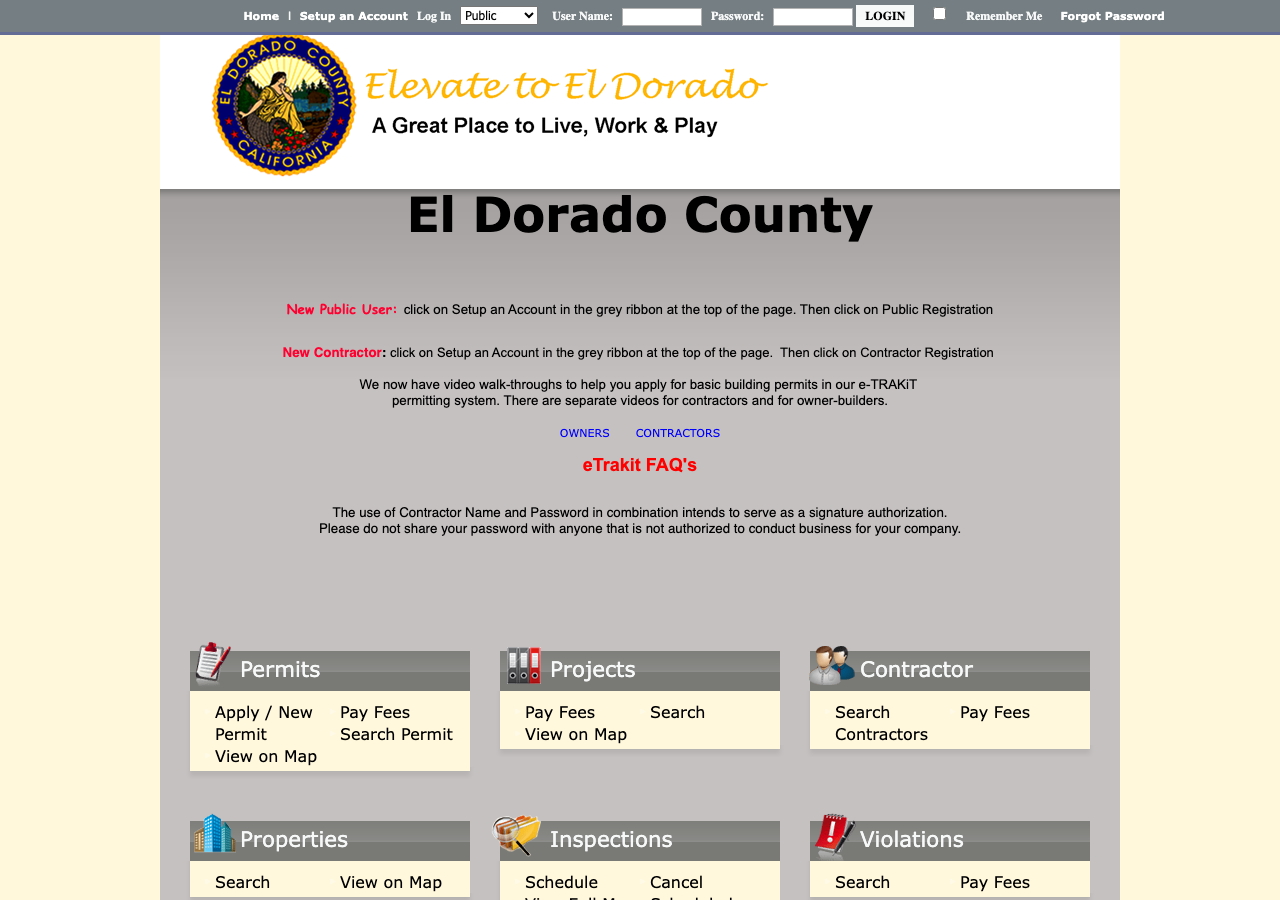
Average approval time — application to PTO
From the CPUC interconnection record. Bars show the average days taken each year; a year with no recorded projects is left blank rather than drawn as zero.